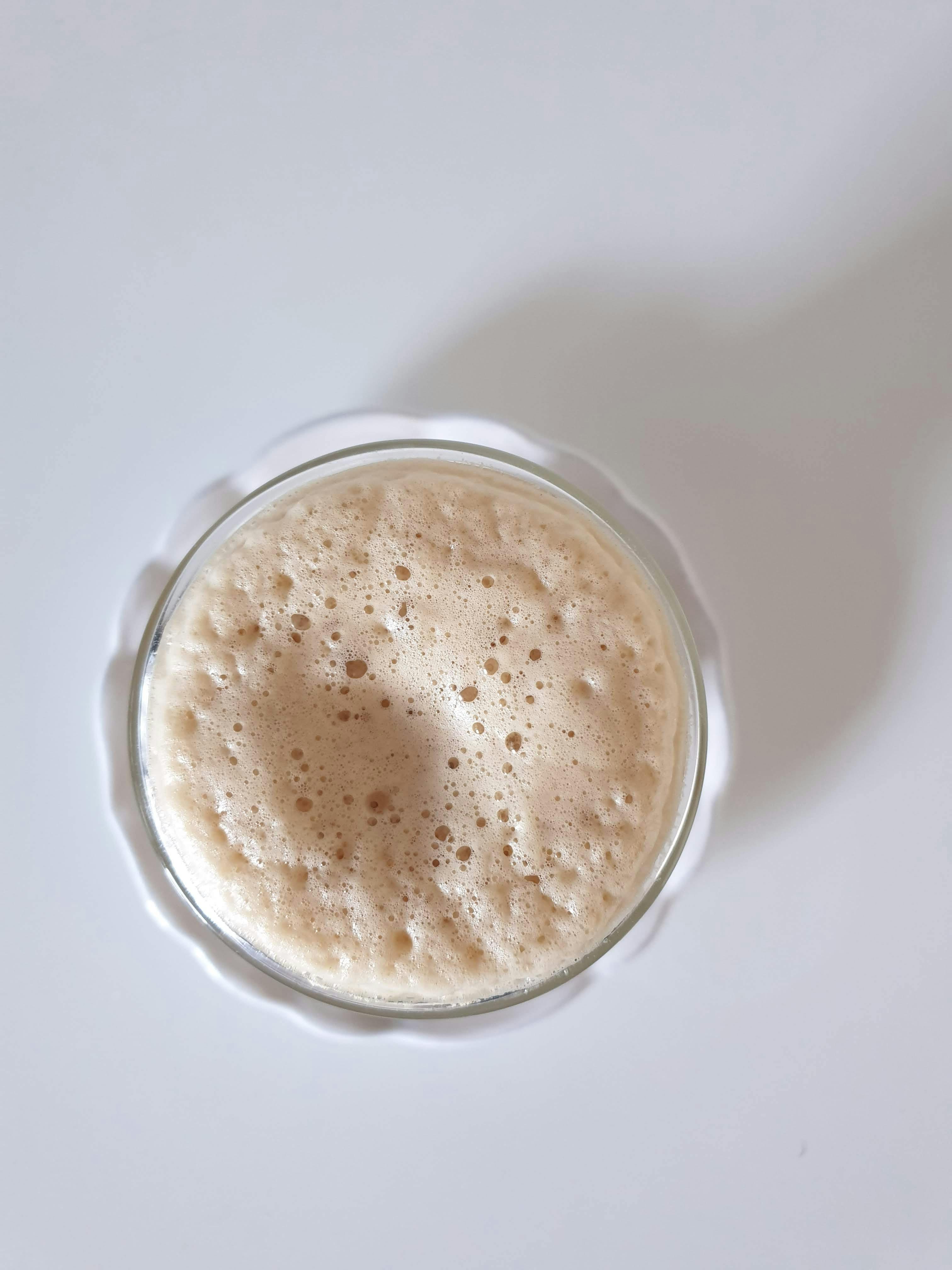
The diets react (see scores below)
Diet Ratings
Aquafaba (chickpea liquid) contains approximately 1-2g net carbs per tablespoon, but chickpeas themselves are legumes with moderate carb content. Small amounts used as egg replacer in keto recipes are acceptable, but quantity matters.
Strict keto practitioners avoid aquafaba entirely due to its legume origin and potential for carb creep when used liberally in baking, preferring egg-based alternatives.
Aquafaba is the liquid from cooked chickpeas. It is a plant-based byproduct with no animal ingredients and is widely used as an egg replacer in vegan baking.
Aquafaba is the liquid byproduct of cooked chickpeas. Chickpeas are legumes, which are explicitly excluded from paleo due to high lectin and phytic acid content, anti-nutrients, and absence in Paleolithic diets.
Liquid from cooked chickpeas, a legume byproduct. Legumes are Mediterranean staples; aquafaba retains legume benefits and provides plant-based protein and fiber without added processing.
Aquafaba is a modern culinary innovation not traditionally used in Mediterranean cuisine; some purists argue whole legumes are preferable.
Aquafaba is the liquid from cooked chickpeas, a legume. Carnivore diet excludes all legumes and plant-derived foods. Aquafaba is plant-based and incompatible with carnivore principles.
Aquafaba is the liquid from canned or cooked chickpeas (legumes). While technically derived from a legume, it is sometimes used as an egg substitute in compliant recipes. However, the official Whole30 program does not explicitly approve aquafaba, and using it to recreate non-compliant foods (like vegan baking) violates the spirit of the program.
Some Whole30 practitioners argue that aquafaba, as a byproduct of legumes rather than the legume itself, could be compliant; however, official Whole30 guidance does not list it as an exception, and its primary use is to recreate excluded foods.
Aquafaba is the liquid from canned chickpeas. While the canning process and draining reduce GOS (galacto-oligosaccharides) content compared to dried chickpeas, residual GOS remains. Monash University has limited specific testing on aquafaba itself. Clinical FODMAP practitioners often recommend caution during strict elimination phase, though small amounts may be tolerated.
Monash University rates canned chickpeas as low-FODMAP at 1/2 cup drained, but aquafaba (the liquid) contains some leached GOS. Practitioners diverge on whether aquafaba is truly safe during elimination or should be avoided until reintroduction phase.
Liquid from cooked chickpeas, rich in plant-based protein and fiber. Low sodium, low fat, supports DASH emphasis on legumes and plant proteins.
Aquafaba (chickpea liquid) is primarily water with trace carbohydrates and minimal protein. It can serve as an egg white substitute in some applications, but provides negligible macronutrient contribution. Usable in Zone meals but requires pairing with other protein and carb sources to achieve 40/30/30 balance.
Some Zone practitioners may rate this lower (4-5) because it lacks meaningful macronutrient density compared to Zone-approved protein sources like egg whites or lean poultry.
Aquafaba is the liquid from cooked chickpeas, rich in plant proteins, fiber, and polyphenols from the legume. Legumes are emphasized in the anti-inflammatory pyramid. Contains saponins and other phytonutrients with anti-inflammatory potential. Supports plant-based protein intake and gut health via fiber.
Aquafaba is a processed byproduct rather than a whole food, and research on its specific anti-inflammatory properties is limited compared to whole legumes. Some practitioners prefer consuming the whole chickpea for maximum fiber and nutrient density.
Liquid from cooked chickpeas; high in plant protein (1.5g per tablespoon) and fiber. Excellent egg substitute for baking and cooking. Low fat, nutrient-dense, supports satiety. Easy to digest and works well in small portions.
Controversy Index
Score range: 1–10/10. Higher controversy = more disagreement between diets.
Diet-Specific Tips for Aquafaba
 Keto — 5/10
- 1-2g net carbs per tablespoon
- Legume-derived
- Portion-dependent usage
- Carb content varies by source
 Vegan — 10/10
- Plant-based egg substitute
- No animal products
- Supports vegan baking and cooking
 Mediterranean — 8/10
- legume-derived
- plant-based
- minimal processing
- modern application
 Low-FODMAP — 5/10
- Derived from legumes (chickpeas)
- GOS content reduced but not eliminated by canning
- Limited direct Monash testing on aquafaba liquid
- Portion and frequency matter
 DASH — 8/10
- Plant-based protein
- High fiber
- Low sodium
- Low fat
 Zone — 6/10
- minimal protein
- minimal carbohydrates
- water-based
- requires pairing with other sources
 Anti-Inflammatory — 7/10
- plant protein
- fiber
- polyphenols
- legume-derived
- saponins
 GLP-1 Friendly — 8/10
- plant-based protein
- high fiber
- low fat
- nutrient-dense
- versatile cooking ingredient