The diets react (see scores below)
Diet Ratings
Approximately 3-4g net carbs per 100g cooked portion. Low-moderate carb vegetable that can fit keto with strict portion control. Often used in Southeast Asian cuisine.
Some lazy keto practitioners include banana blossom freely; strict keto dieters limit or avoid due to carb density relative to other low-carb vegetables.
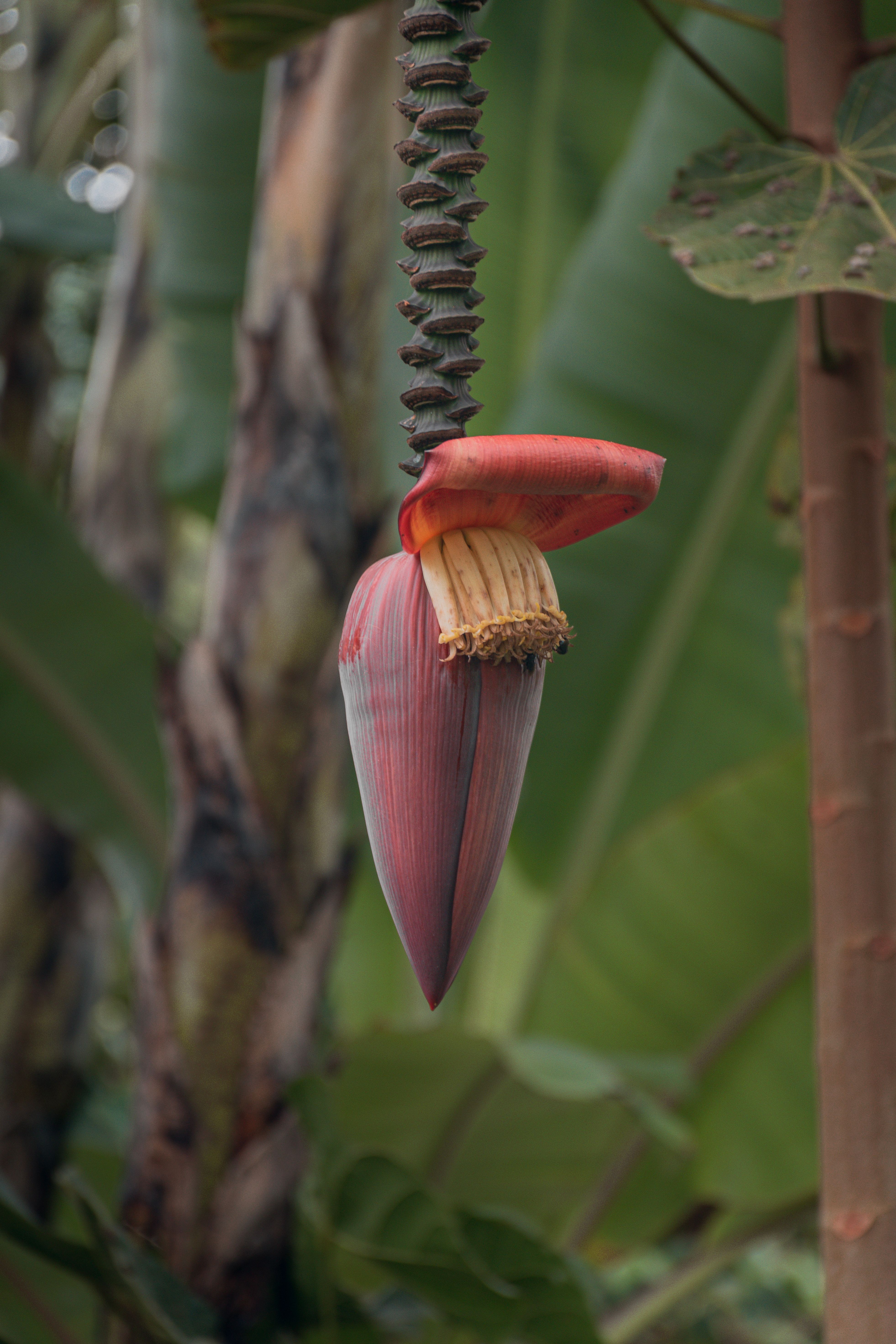
Banana blossom is the flower of the banana plant, used as a vegetable in Southeast Asian cuisine. It is a whole plant food with no animal products.
Edible flower from banana plant. Unprocessed plant food with minimal carbohydrates and good nutrient profile. Consistent with paleo vegetable guidelines.
Banana blossom is a vegetable used in Southeast Asian cuisine. It is a whole, plant-based food with minimal processing and no added sugars or unhealthy fats. However, it is not traditional to Mediterranean cuisine and is not commonly incorporated into Mediterranean meal patterns.
Modern Mediterranean diet interpretations that emphasize plant diversity and global vegetables may view banana blossom as compatible with the plant-forward ethos, though it remains outside traditional Mediterranean practice.
Banana blossom is a plant-derived food from the banana plant. Carnivore diet excludes all plant foods.
Banana blossom is the flower of the banana plant, a whole vegetable with no excluded ingredients. It is a whole, unprocessed food.
Banana blossom (the flower of the banana plant) is low in fermentable carbohydrates and contains minimal FODMAPs. It is used as a vegetable in Southeast Asian cuisine and is safe during the elimination phase at standard portions.
Vegetable with low sodium, minimal calories, and good fiber content. Rich in potassium and magnesium. Aligns with DASH emphasis on vegetables and whole plant foods.
Low-carbohydrate vegetable (approximately 2-3g net carbs per 100g) that fits Zone protocol as a favorable carbohydrate source. However, not as nutrient-dense or commonly used as primary Zone vegetables like broccoli or spinach. Usable in Zone meals with proper portioning.
Banana blossom (flower) is a whole plant food rich in fiber, polyphenols, and antioxidants. It contains tannins and flavonoids with anti-inflammatory properties. Low in calories and processed ingredients, it fits anti-inflammatory principles emphasizing colorful, whole plant foods.
Banana blossom (the flower of the banana plant) is low in calories (~35 cal per 100g) and contains modest fiber (~1.5g per 100g). It's easy to digest and has minimal fat. However, it's very low in protein (0.3g per 100g), making it a poor fit for the GLP-1 priority of high protein density. It can be included as a vegetable side but should not be a primary component of a meal.
Some RDs view banana blossom as a useful low-calorie, high-water-content vegetable that supports hydration and satiety without competing for limited stomach space with protein-rich foods. Others argue that in the context of severe appetite suppression, every bite should maximize protein, making banana blossom an inefficient choice.
Nutritional profile
Six traits that cut across every diet.
Fiber & Plants
How much whole-plant food and fiber it delivers.
Healthy Fats
The quality of its fats (unsaturated, omega-3).
Whole / Unprocessed
How close it is to its natural, unprocessed form.
Gut Gentle
How easy it is on digestion (low FODMAP, few irritants).
Low Glycemic
How little it spikes your blood sugar.
Protein Density
How much protein it packs per calorie.
Controversy Index
Score range: 1–9/10. Higher controversy = more disagreement between diets.
Diet-Specific Tips for Banana blossom
 Keto — 5/10
- 3-4g net carbs per 100g
- Requires portion control
- Low calorie density
- Minimal fat content
 Vegan — 9/10
- Whole plant food
- Edible flower
- No animal ingredients
 Paleo — 8/10
- Unprocessed plant food
- Low carbohydrate content
- Rich in fiber and nutrients
- Available in traditional cuisines
 Mediterranean — 5/10
- whole plant food
- minimal processing
- not Mediterranean traditional
- nutrient-dense vegetable
 Whole30 — 9/10
- Whole vegetable
- No added ingredients
- Unprocessed
 Low-FODMAP — 8/10
- Low fermentable carbohydrate content
- Minimal fructans, GOS, lactose, or polyols
- Standard culinary portions are safe
 DASH — 8/10
- Low sodium
- Good fiber content
- Rich in potassium
- Magnesium content
 Zone — 6/10
- Low glycemic index
- Moderate carbohydrate content
- Vegetable-based carbohydrate source
- Less nutrient-dense than cruciferous vegetables
 Anti-Inflammatory — 7/10
- polyphenols
- tannins
- flavonoids
- fiber
- whole plant food
 GLP-1 Friendly — 5/10
- Very low protein (0.3g per 100g)
- Low calorie, modest fiber
- Easy to digest; high water content
- Better as a side than a main component