The diets react (see scores below)
Diet Ratings
Approximately 2-3g net carbs per 100g raw. Low-carb vegetable with minimal impact on daily carb budget. High in fiber and nutrients. Fits well within keto framework.
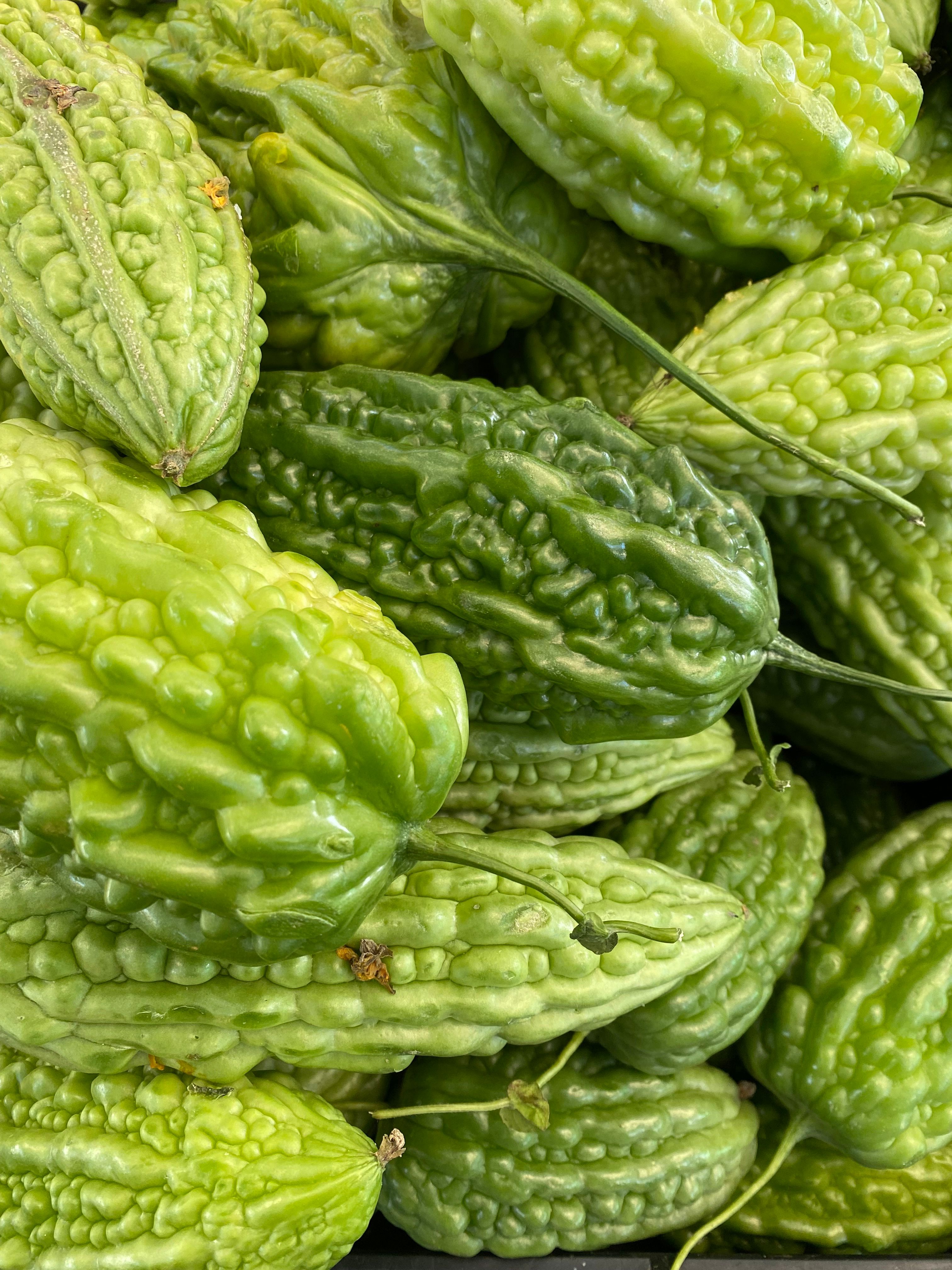
Bitter melon is a vegetable commonly used in Asian cuisine. It is a whole plant food with no animal products or derivatives.
Unprocessed vegetable available in traditional cuisines. Low carbohydrate, nutrient-dense, and consistent with paleo vegetable guidelines. No grains, legumes, dairy, or processing involved.
Bitter melon is a vegetable used in Asian and African cuisines. It is a whole, unprocessed plant food with minimal calories and no added sugars or unhealthy fats. However, it is not traditional to Mediterranean cooking and is not commonly part of Mediterranean meal patterns.
Modern Mediterranean diet interpretations emphasizing vegetable diversity and global plant foods may view bitter melon as compatible with the plant-forward ethos, though it remains outside traditional Mediterranean practice.
Bitter melon is a plant-derived vegetable. Carnivore diet excludes all plant foods.
Bitter melon is a whole vegetable with no excluded ingredients. It is a whole, unprocessed food commonly used in Asian cuisine.
Bitter melon (also called bitter gourd) is a low-FODMAP vegetable with minimal fermentable carbohydrates. It is safe during the elimination phase at standard culinary portions.
Low-calorie vegetable with minimal sodium, excellent fiber, and rich in potassium and magnesium. Core DASH vegetable. Supports blood pressure management and cardiovascular health.
Excellent Zone vegetable with very low net carbohydrates (approximately 2-3g per 100g), minimal calories, and high nutrient density. Fits perfectly into Zone protocol as a primary vegetable source. Supports anti-inflammatory principles and blood sugar regulation.
Bitter melon is a nutrient-dense vegetable containing polyphenols, flavonoids, and compounds like momordicin with anti-inflammatory and antioxidant effects. It supports blood sugar regulation and contains compounds that reduce inflammatory markers. It fits anti-inflammatory principles emphasizing colorful vegetables.
Bitter melon is a low-calorie vegetable (~34 cal per 100g) with good fiber (~2.4g per 100g), minimal fat, and easy digestibility. It contains modest protein (1.9g per 100g) and is nutrient-dense (vitamin C, folate). The bitter flavor may support satiety signaling. While not a protein source, it's an excellent low-calorie vegetable side that supports hydration and fiber goals without triggering GI distress.
Nutritional profile
Six traits that cut across every diet.
Fiber & Plants
How much whole-plant food and fiber it delivers.
Healthy Fats
The quality of its fats (unsaturated, omega-3).
Whole / Unprocessed
How close it is to its natural, unprocessed form.
Gut Gentle
How easy it is on digestion (low FODMAP, few irritants).
Low Glycemic
How little it spikes your blood sugar.
Protein Density
How much protein it packs per calorie.
Controversy Index
Score range: 1–9/10. Higher controversy = more disagreement between diets.
Diet-Specific Tips for Bitter melon
 Keto — 8/10
- 2-3g net carbs per 100g
- High fiber content
- Whole food vegetable
- No added sugars
 Vegan — 9/10
- Whole plant food
- Vegetable
- No animal ingredients
 Paleo — 9/10
- Unprocessed vegetable
- Low carbohydrate content
- Nutrient-dense
- No additives
 Mediterranean — 5/10
- whole plant food
- minimal processing
- not Mediterranean traditional
- nutrient-dense vegetable
 Whole30 — 9/10
- Whole vegetable
- No added ingredients
- Unprocessed
 Low-FODMAP — 8/10
- Low fermentable carbohydrate content
- Minimal fructans, GOS, lactose, or polyols
- Safe at standard portions
 DASH — 9/10
- Very low sodium
- High fiber
- Rich in potassium and magnesium
- Low calorie density
 Zone — 9/10
- Very low glycemic index
- Minimal net carbohydrates
- High nutrient density
- Anti-inflammatory properties
- Blood sugar regulation support
 Anti-Inflammatory — 8/10
- polyphenols
- flavonoids
- momordicin
- antioxidant
- blood sugar regulation
 GLP-1 Friendly — 7/10
- Low calorie; good fiber
- Minimal fat; easy to digest
- Bitter flavor may support satiety
- Excellent vegetable side