The diets react (see scores below)
Diet Ratings
Approximately 2-3g net carbs per 100g cooked. Low-carb vegetable requiring portion control. Minimal fat content makes it less ideal than fattier keto vegetables.
Strict keto practitioners minimize watery, low-fat vegetables; others include bottle gourd as part of total carb allowance for variety.
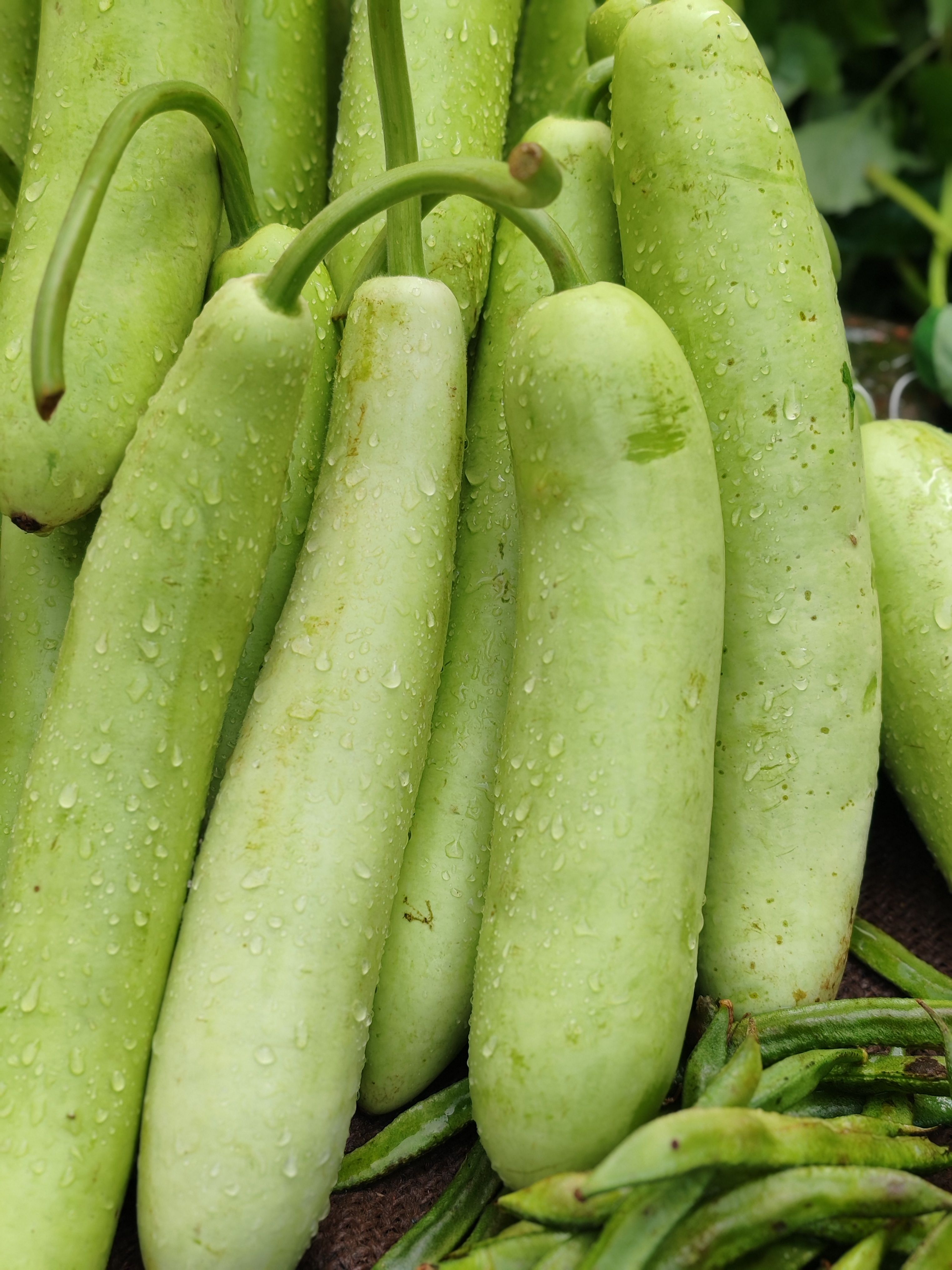
Bottle gourd is a vegetable commonly used in Asian and African cuisines. It is a whole plant food with no animal products or derivatives.
Unprocessed vegetable (also called calabash or lauki). Low carbohydrate, nutrient-dense, and consistent with paleo vegetable guidelines. Available in traditional cuisines worldwide.
Bottle gourd is a vegetable used in Asian, African, and Middle Eastern cuisines. It is a whole, unprocessed plant food with minimal calories, no added sugars, and no unhealthy fats. The Middle East is part of the Mediterranean region, and bottle gourd aligns with the Mediterranean emphasis on vegetables eaten multiple times daily.
Bottle gourd is a plant-derived vegetable. Carnivore diet excludes all plant foods.
Bottle gourd is a whole vegetable with no excluded ingredients. It is a whole, unprocessed food commonly used in Asian and African cuisine.
Bottle gourd (also called calabash or opo squash) is a low-FODMAP vegetable with minimal fermentable carbohydrates. It is safe during the elimination phase at standard culinary portions.
Low-calorie vegetable with minimal sodium, excellent water content, good fiber, and potassium. Core DASH vegetable supporting hydration and mineral intake without sodium burden.
Low-carbohydrate vegetable (approximately 2-3g net carbs per 100g) with minimal calories and high water content. Fits Zone protocol as a favorable carbohydrate source. Nutrient-dense and supports anti-inflammatory principles.
Bottle gourd is a low-calorie, whole plant vegetable rich in fiber, polyphenols, and antioxidants. It contains compounds with anti-inflammatory properties and supports hydration and gut health. As an unprocessed vegetable, it aligns with anti-inflammatory principles emphasizing whole plant foods.
Bottle gourd (calabash) is a low-calorie vegetable (~12 cal per 100g) with high water content and minimal fat. It contains modest fiber (~0.6g per 100g) and negligible protein, but is extremely easy to digest and supports hydration. While not a protein source, it's an excellent low-calorie vegetable side that fills the stomach without competing for limited capacity with protein-rich foods.
Nutritional profile
Six traits that cut across every diet.
Fiber & Plants
How much whole-plant food and fiber it delivers.
Healthy Fats
The quality of its fats (unsaturated, omega-3).
Whole / Unprocessed
How close it is to its natural, unprocessed form.
Gut Gentle
How easy it is on digestion (low FODMAP, few irritants).
Low Glycemic
How little it spikes your blood sugar.
Protein Density
How much protein it packs per calorie.
Controversy Index
Score range: 1–9/10. Higher controversy = more disagreement between diets.
Diet-Specific Tips for Bottle gourd
 Keto — 5/10
- 2-3g net carbs per 100g
- Portion control needed
- Minimal fat
- High water content
 Vegan — 9/10
- Whole plant food
- Vegetable
- No animal ingredients
 Paleo — 9/10
- Unprocessed vegetable
- Low carbohydrate content
- High water and fiber content
- No additives
 Mediterranean — 7/10
- whole plant food
- minimal processing
- used in Middle Eastern Mediterranean cuisines
- low calorie
- nutrient-dense vegetable
 Whole30 — 9/10
- Whole vegetable
- No added ingredients
- Unprocessed
 Low-FODMAP — 8/10
- Low fermentable carbohydrate content
- Minimal fructans, GOS, lactose, or polyols
- Safe at standard portions
 DASH — 9/10
- Very low sodium
- High water content
- Good fiber
- Rich in potassium
 Zone — 8/10
- Very low glycemic index
- Low net carbohydrate content
- High water content
- Nutrient-dense vegetable
- Fits Zone vegetable requirements
 Anti-Inflammatory — 7/10
- fiber
- polyphenols
- antioxidants
- low-calorie
- whole plant food
 GLP-1 Friendly — 7/10
- Very low calorie; high water content
- Minimal fat; easy to digest
- Supports hydration
- Excellent vegetable side