The diets react (see scores below)
Diet Ratings
Approximately 8-10g net carbs per 100g. High-fat nut but carb content is moderate-high. Can fit keto with strict portion control (small handful). Often used as thickening agent in small amounts.
Some keto practitioners avoid candlenuts due to carb density; others include small portions (1-2 tablespoons) as part of daily carb allowance.
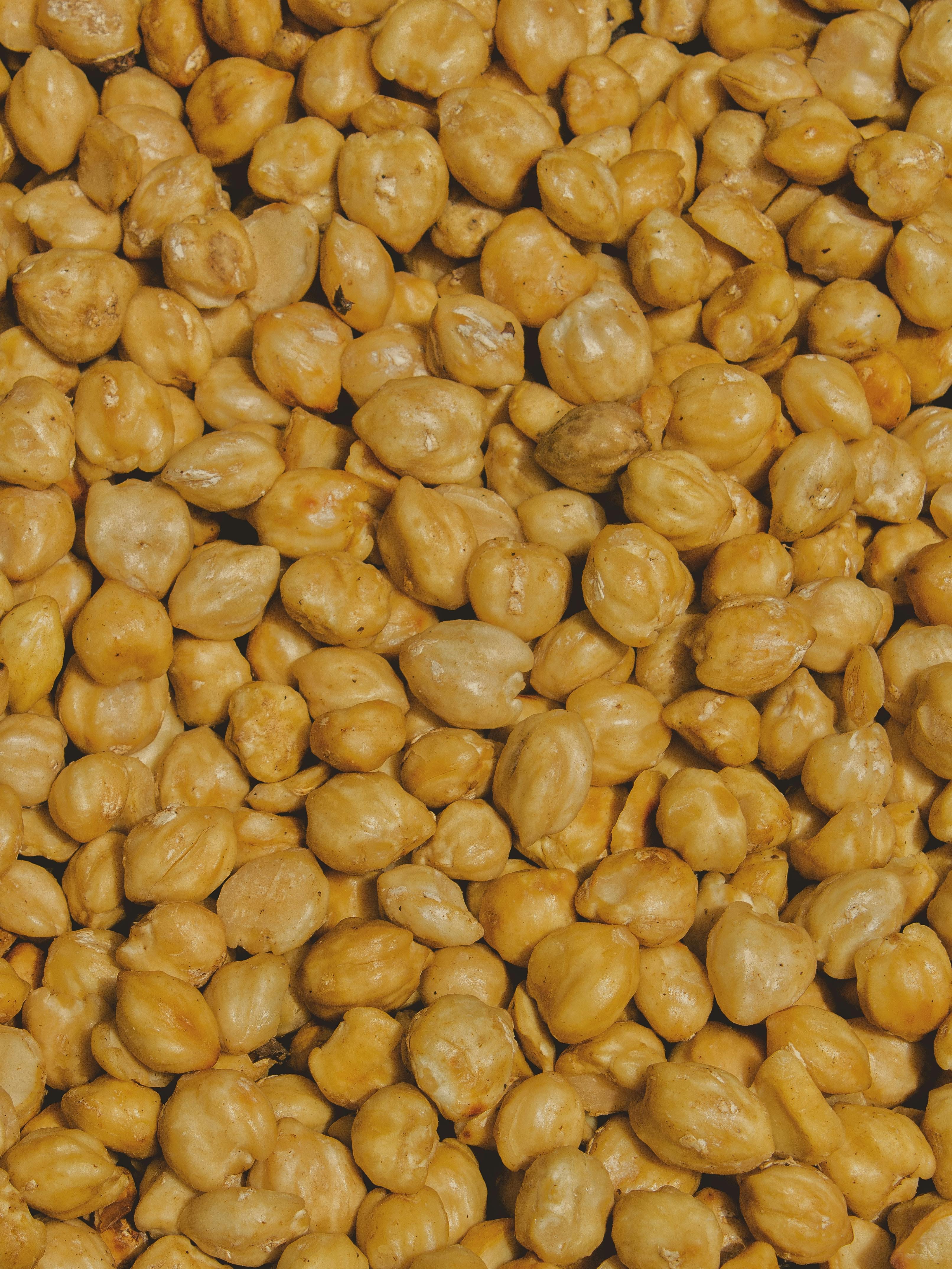
Candlenuts (also called kemiri nuts) are seeds from the candlenut tree, used in Southeast Asian cuisine as a thickening agent. They are a whole plant food with no animal products.
Tree nuts (also called kukui nuts or varnish nuts). Unprocessed nuts consistent with paleo guidelines. Good source of healthy fats and nutrients. Used traditionally in Southeast Asian cuisine.
Candlenuts (kemiri) are nuts used in Southeast Asian cuisine, typically ground and used as a thickening agent in curries. Nuts are encouraged in the Mediterranean diet, but candlenuts are not traditional to Mediterranean cooking. They are whole plant foods with healthy fats, but their use is limited to specific cuisines.
Some Mediterranean diet practitioners view all nuts as compatible with the diet's emphasis on plant-based healthy fats, regardless of regional origin, making candlenuts acceptable in moderation.
Candlenuts are plant-derived nuts/seeds. Carnivore diet excludes all plant foods, nuts, and seeds.
Candlenuts (also called kemiri nuts) are whole nuts used as a thickening agent in Southeast Asian cuisine. Nuts are Whole30 compliant when unprocessed and unsweetened.
Candlenuts (also called kukui nuts or varnish nuts) are tree nuts used in Southeast Asian cuisine. Nuts are low-FODMAP and contain minimal fermentable carbohydrates. They are safe during the elimination phase at standard portions.
Tree nuts high in fat (mostly unsaturated) but also calorie-dense. DASH includes nuts but emphasizes portion control (1 ounce/day). Candlenuts are less common; nutritional profile similar to macadamia nuts with high saturated fat relative to other nuts.
Some DASH practitioners accept nuts liberally due to unsaturated fat and mineral content; however, NIH DASH guidelines specify portion-controlled servings (1 ounce, ~23 almonds) due to calorie density and some saturated fat content.
Tree nut with moderate fat content (approximately 60% fat, mostly unsaturated) and minimal carbohydrates. Can fit into Zone fat blocks but requires careful portioning. Higher caloric density than other nuts. Typically used as thickening agent in small quantities, which may make portioning easier.
Some Zone practitioners may rate this 6 if emphasizing monounsaturated fat content and minimal carbohydrates. Others may rate 4 due to higher overall fat density and less common use in Zone meal planning compared to almonds or macadamia nuts.
Candlenuts (kemiri) are tree nuts used as a thickening agent in Southeast Asian cuisine. They contain some beneficial fats and polyphenols, but are high in calories and omega-6 polyunsaturated fats. Used in small amounts as a spice/thickener, they are neutral; in larger quantities, the omega-6 load becomes a concern.
Some anti-inflammatory sources view tree nuts as beneficial for their polyphenols and mineral content, while others caution that high omega-6 content in nuts can promote inflammation if consumed in excess. The anti-inflammatory framework is ambiguous on nuts beyond walnuts and macadamias.
Candlenuts (kemiri nuts) are high in fat (~60g per 100g) and calories (~680 cal per 100g), with modest protein (~9g per 100g). While they contain some nutrients, the high fat content conflicts with GLP-1 goals of low-fat foods that minimize nausea and bloating. They're typically used as a thickening agent in small amounts, which mitigates the fat concern, but are not recommended as a primary food component.
Some RDs note that candlenuts contain unsaturated fats and are nutrient-dense, making them acceptable in very small amounts (1-2 nuts as a garnish or flavoring). Others recommend strict avoidance due to high fat density and potential to worsen GI side effects.
Nutritional profile
Six traits that cut across every diet.
Fiber & Plants
How much whole-plant food and fiber it delivers.
Healthy Fats
The quality of its fats (unsaturated, omega-3).
Whole / Unprocessed
How close it is to its natural, unprocessed form.
Gut Gentle
How easy it is on digestion (low FODMAP, few irritants).
Low Glycemic
How little it spikes your blood sugar.
Protein Density
How much protein it packs per calorie.
Controversy Index
Score range: 1–9/10. Higher controversy = more disagreement between diets.
Diet-Specific Tips for Candlenuts
 Keto — 6/10
- 8-10g net carbs per 100g
- High fat content
- Portion control essential
- Typically used in small amounts
 Vegan — 9/10
- Whole plant food
- Tree nut
- No animal ingredients
 Paleo — 8/10
- Unprocessed tree nut
- Healthy fat profile
- Nutrient-dense
- No additives in whole form
 Mediterranean — 5/10
- plant-based nut
- healthy fats
- not Mediterranean traditional
- used as thickening agent
 Whole30 — 9/10
- Whole nut
- No added ingredients
- Unprocessed
 Low-FODMAP — 8/10
- Tree nut with low fermentable carbohydrate content
- Minimal fructans, GOS, lactose, or polyols
- Safe at standard culinary portions
 DASH — 5/10
- High calorie density
- Mostly unsaturated fat
- Some saturated fat
- Requires strict portion control
 Zone — 5/10
- High fat content (mostly unsaturated)
- Minimal carbohydrates
- High caloric density
- Requires careful portioning
- Typically used in small quantities
 Anti-Inflammatory — 5/10
- tree nut
- omega-6 polyunsaturated fat
- polyphenols
- high calorie density
- typically used in small amounts
 GLP-1 Friendly — 4/10
- High fat (60g per 100g)
- High calorie density
- Modest protein
- Typically used in minimal amounts