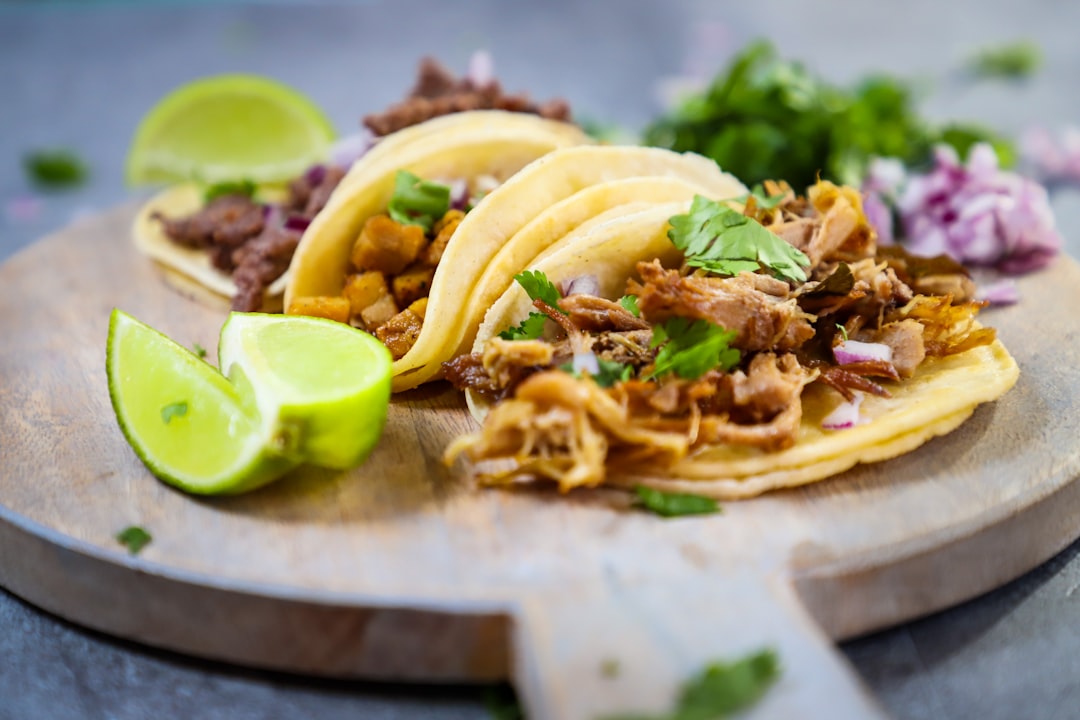
The diets react (see scores below)
Diet Ratings
Pork cooked in its own fat with minimal carbs. Provides excellent fat-to-protein ratio ideal for ketosis. No added sugars in traditional preparation.
Carnitas are slow-cooked pork, a direct animal product explicitly excluded from vegan diets.
Carnitas are traditionally slow-cooked pork in lard, which is paleo-compatible in principle. However, commercial carnitas often contain added salt, spices with additives, or are cooked in seed oils. Homemade carnitas with clean ingredients are approvable; store-bought versions require ingredient verification.
Strict paleo practitioners may approve homemade carnitas cooked in animal fat as fully compliant, while others caution due to typical commercial processing and salt content.
Carnitas are pork cooked in lard, making them high in saturated fat and processed through prolonged cooking in fat. This directly contradicts Mediterranean principles emphasizing minimal saturated fat and minimal processed preparations.
Carnitas are pork cooked in lard, which is excellent, but traditional preparation often includes spices (cumin, oregano, garlic) and sometimes sugar in marinades. Pure carnitas with only salt and fat are approve-worthy; commercial versions frequently contain plant-based additives.
Strict carnivores argue that any spice addition violates the animal-only principle, while most practitioners accept lightly seasoned carnitas as long as no sugar is present.
Carnitas are traditionally slow-cooked pork in lard, which is compliant. However, many commercial versions contain added sugar, spices with additives, or are prepared with non-compliant ingredients. Homemade carnitas with clean ingredients are approvable; store-bought versions require ingredient verification.
Some Whole30 community members argue that the traditional preparation method and whole-food nature make carnitas inherently compliant, while others emphasize checking labels for hidden sugars and additives common in commercial versions.
Carnitas are typically slow-cooked pork, which is inherently low-FODMAP. However, traditional recipes often include garlic and onion for flavoring, which are high-FODMAP. The meat itself is safe, but preparation method and added ingredients determine FODMAP status.
Monash University rates plain cooked pork as low-FODMAP; however, clinical practitioners note that commercially prepared carnitas frequently contain garlic and onion, making them problematic unless verified as garlic/onion-free.
Carnitas are pork cooked in lard, extremely high in saturated fat and sodium. Typically 300-400mg sodium per 3oz serving plus 15-20g saturated fat. Directly contradicts DASH emphasis on lean meats and low saturated fat.
Pork shoulder slow-cooked in lard creates high saturated fat content (often 40-50% of calories from fat). While pork is acceptable protein, the cooking method and fat ratio exceed Zone guidelines. Requires strict portioning and fat adjustment elsewhere in meal.
Carnitas are pork cooked in lard, creating a high saturated fat and omega-6 rich dish. The cooking method (deep frying in fat) and lack of anti-inflammatory compounds make this pro-inflammatory.
Carnitas are pork cooked in lard or rendered fat, resulting in extremely high fat content (often 30-40g fat per 3oz serving). High fat significantly worsens GLP-1 side effects including nausea, bloating, and reflux. While protein content is decent (~20g per serving), the fat burden makes this unsuitable for GLP-1 patients.
Nutritional profile
Six traits that cut across every diet.
Fiber & Plants
How much whole-plant food and fiber it delivers.
Healthy Fats
The quality of its fats (unsaturated, omega-3).
Whole / Unprocessed
How close it is to its natural, unprocessed form.
Gut Gentle
How easy it is on digestion (low FODMAP, few irritants).
Low Glycemic
How little it spikes your blood sugar.
Protein Density
How much protein it packs per calorie.
Controversy Index
Score range: 1–9/10. Higher controversy = more disagreement between diets.
Diet-Specific Tips for Carnitas
 Keto — 9/10
- Zero net carbs
- High saturated fat
- High-quality protein
- Whole food
 Paleo — 5/10
- Added salt in commercial versions
- Potential seed oil cooking
- Processing and additives
- Homemade preparation is cleaner
 Carnivore — 6/10
- Preparation method (spices vs. salt-only)
- Source of lard (pure animal fat)
- Absence of sugar or plant additives
 Whole30 — 5/10
- Check for added sugar in seasoning or preparation
- Verify no non-compliant additives
- Homemade vs. commercial source matters
 Low-FODMAP — 5/10
- Pork is low-FODMAP
- Garlic and onion commonly added in traditional recipes
- Fat content is high but not FODMAP-relevant
- Preparation method critical
 Zone — 4/10
- High saturated fat from cooking method
- Acceptable lean protein base
- Requires careful portion control
- May need additional low-glycemic carbs to balance