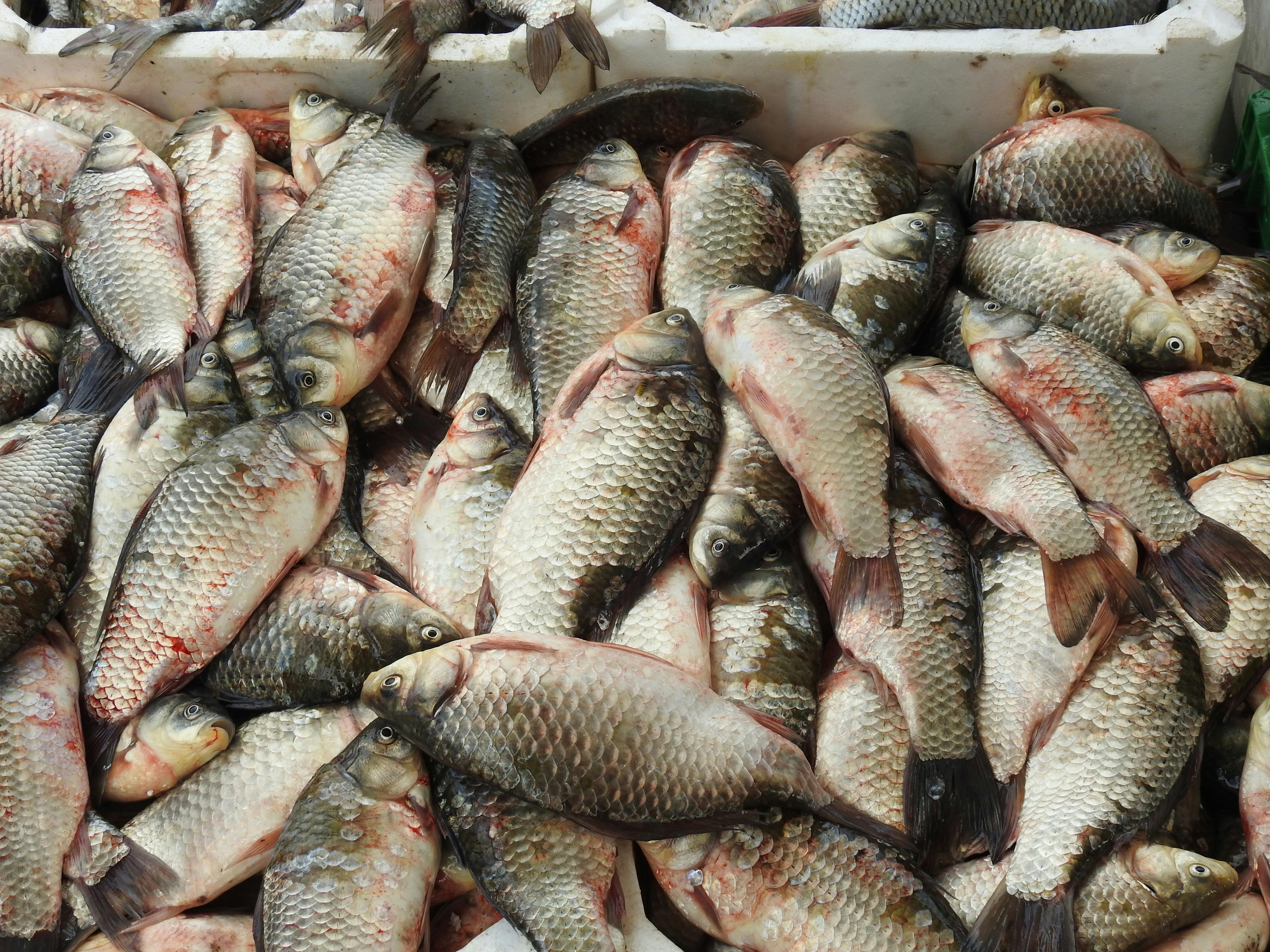
The diets react (see scores below)
Diet Ratings
Fatty freshwater fish with minimal carbs (0g net carbs per 100g) and high omega-3 content. Excellent protein and fat profile for ketosis.
Carp is a freshwater fish. All fish and seafood are excluded from the vegan diet as they are animal flesh.
Carp is a freshwater fish rich in omega-3 fatty acids and protein. It was available to Paleolithic humans and contains no anti-nutrients or processed additives.
Freshwater fish rich in omega-3 fatty acids and protein. Aligns with Mediterranean emphasis on fish consumption 2-3 times weekly. Traditional in Mediterranean cuisines, particularly Eastern Mediterranean and Balkan regions.
Carp is a fatty freshwater fish rich in omega-3 and omega-6 fatty acids, protein, and micronutrients. Fully animal-derived and minimally processed when fresh. Aligns with carnivore diet principles.
Carp is a whole, unprocessed fish with no excluded ingredients. It is a compliant protein source on Whole30.
Carp is a plain fish protein with no FODMAP-containing carbohydrates, fructans, lactose, or polyols. Safe at any serving size during elimination phase.
Carp is a lean freshwater fish rich in protein, omega-3 fatty acids, and minerals. Low in saturated fat and sodium when prepared without added salt. Aligns with DASH emphasis on fish as a lean protein source.
Carp is a fatty freshwater fish rich in omega-3 fatty acids and provides approximately 20g protein per 100g serving. While higher in fat than white fish, the fat profile supports anti-inflammatory Zone principles. Easily portioned into protein blocks.
Carp is a freshwater fish with moderate omega-3 content, but significantly lower than fatty cold-water fish (salmon, mackerel, sardines). It contains some beneficial nutrients but also higher saturated fat relative to omega-3s compared to anti-inflammatory fish standards. Acceptable in moderation as part of a varied protein intake.
Some anti-inflammatory protocols emphasize any fish as beneficial due to omega-3 presence, while stricter interpretations prioritize only high-omega-3 fatty fish and suggest carp's omega-6 to omega-3 ratio is less favorable than recommended.
Carp is a lean freshwater fish with 17-20g protein per 100g, low saturated fat, and omega-3 fatty acids. Easy to digest, nutrient-dense, and supports satiety without triggering GI distress when prepared simply (baked, steamed, or poached).
Nutritional profile
Six traits that cut across every diet.
Fiber & Plants
How much whole-plant food and fiber it delivers.
Healthy Fats
The quality of its fats (unsaturated, omega-3).
Whole / Unprocessed
How close it is to its natural, unprocessed form.
Gut Gentle
How easy it is on digestion (low FODMAP, few irritants).
Low Glycemic
How little it spikes your blood sugar.
Protein Density
How much protein it packs per calorie.
Controversy Index
Score range: 1–9/10. Higher controversy = more disagreement between diets.
Diet-Specific Tips for Carp
 Keto — 9/10
- 0g net carbs
- High-quality protein
- Rich in omega-3 fatty acids
- Whole unprocessed food
 Paleo — 8/10
- unprocessed fish
- good protein source
- omega-3 content
- no additives
 Mediterranean — 8/10
- Fish source
- Omega-3 fatty acids
- Protein-rich
- Traditional in Eastern Mediterranean
 Carnivore — 8/10
- fatty fish
- high omega-3 content
- complete protein
- micronutrient-dense
 Whole30 — 9/10
- Whole fish
- No processing
- Compliant protein
 Low-FODMAP — 9/10
- Plain protein source
- No fermentable carbohydrates
- No added ingredients in whole form
 DASH — 8/10
- lean protein
- omega-3 fatty acids
- low sodium (when unsalted)
- low saturated fat
 Zone — 8/10
- Good protein source (~20g per 100g)
- Contains omega-3 fatty acids
- Higher fat content than white fish but acceptable
- No carbohydrates
 Anti-Inflammatory — 5/10
- moderate omega-3 content
- higher saturated fat than fatty fish
- freshwater fish with less optimal fatty acid profile
 GLP-1 Friendly — 8/10
- high protein density
- omega-3 fatty acids
- low saturated fat
- easy digestibility