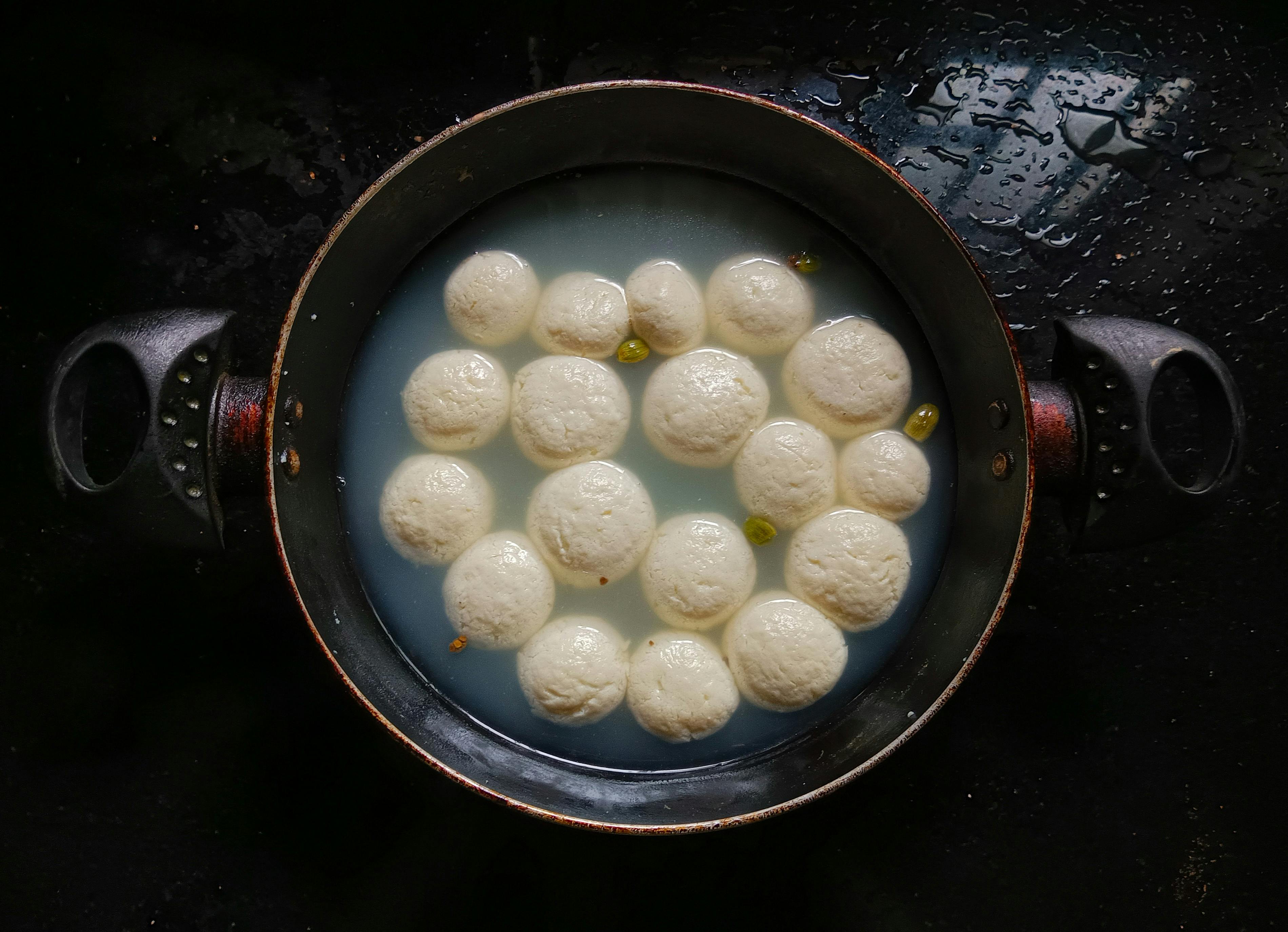
The diets react (see scores below)
Diet Ratings
Fresh cheese (paneer-like) with approximately 3-4g net carbs per 100g. High protein and fat content, but carb level requires portion control. Some strict keto practitioners avoid due to lactose and insulin response.
Strict clinical keto protocols may restrict chhena due to residual lactose and potential insulin stimulation, while mainstream keto allows full-fat dairy in moderation.
Chhena is a fresh cheese made from milk curds, a direct dairy product. Dairy is explicitly excluded from the vegan diet.
Chhena is a fresh cheese made from milk curds. Paleo diet excludes dairy products, including fresh cheese, due to lactose and casein content.
Fresh cheese (Indian paneer-like product) made from milk curds. Dairy is acceptable in moderation within Mediterranean diet. However, chhena is not traditional to Mediterranean cuisines and is often used in sweetened preparations, which conflicts with minimal added sugar principle.
Some modern Mediterranean interpretations include fresh cheeses like ricotta and feta regularly; chhena could fit this category if used unsweetened and in moderate portions, similar to traditional Mediterranean cheese consumption.
Chhena is fresh cheese made from milk curds, animal-derived but a processed dairy product. Most carnivore practitioners include dairy, but strict meat-only adherents exclude it due to lactose and potential inflammatory properties.
Strict carnivore and Lion Diet followers exclude all dairy including chhena, arguing that only ruminant meat, salt, and water are necessary. Saladino's animal-based approach includes raw dairy but chhena is processed.
Chhena is a fresh cheese made from milk curds. Dairy is explicitly excluded on Whole30, with only ghee and clarified butter as exceptions.
Chhena is a fresh cheese made from milk curds. Contains lactose from milk, making it high-FODMAP. Lactose is a disaccharide restricted during the elimination phase. Not suitable for low-FODMAP diet.
Chhena (fresh cheese paneer-like product) is high in protein and calcium but also contains saturated fat and sodium depending on preparation. DASH specifies low-fat dairy; full-fat chhena conflicts with this guideline. Portion control essential.
Some updated DASH interpretations acknowledge that full-fat dairy may not significantly worsen cardiovascular outcomes per recent research, but NIH DASH guidelines explicitly recommend low-fat or fat-free dairy products.
Chhena (fresh cheese paneer-like product) is high in protein (~20g per 100g) and fat (~20g per 100g), primarily saturated. While it provides protein blocks, the saturated fat content requires careful portioning. Can fit into Zone meals but is less ideal than leaner proteins.
Early Zone Diet strictly limited saturated fat; however, Sears' later anti-inflammatory work acknowledges that some saturated fat from whole foods is acceptable contextually. Chhena could be approved at 7 if used sparingly and balanced with monounsaturated fats.
Chhena is a fresh cheese (paneer-like) made from milk curds. While it provides protein and calcium, it is high in saturated fat and lacks the omega-3 benefits of anti-inflammatory proteins. Acceptable in moderation as part of a balanced diet, but not a primary anti-inflammatory protein source.
Some anti-inflammatory frameworks include moderate amounts of full-fat dairy for nutrient density, while stricter interpretations recommend limiting saturated fat and suggest plant-based or fish proteins as superior choices.
Chhena (fresh cheese paneer-like product) provides 11-13g protein per 100g, supporting protein targets. However, it is moderately high in saturated fat (3-5g per 100g) and can be heavy on the stomach if consumed in large portions. Works in small servings mixed with vegetables.
Some GLP-1 RDs recommend chhena as a convenient protein source and tolerate it well; others limit it due to saturated fat content and potential for delayed gastric emptying if portions exceed 30-50g per meal.
Nutritional profile
Six traits that cut across every diet.
Fiber & Plants
How much whole-plant food and fiber it delivers.
Healthy Fats
The quality of its fats (unsaturated, omega-3).
Whole / Unprocessed
How close it is to its natural, unprocessed form.
Gut Gentle
How easy it is on digestion (low FODMAP, few irritants).
Low Glycemic
How little it spikes your blood sugar.
Protein Density
How much protein it packs per calorie.
Controversy Index
Score range: 1–6/10. Higher controversy = more disagreement between diets.
Diet-Specific Tips for Chhena
 Keto — 5/10
- 3-4g net carbs per 100g
- High protein and fat
- Full-fat dairy product
- Requires portion awareness
 Mediterranean — 5/10
- Dairy product
- Moderate amounts acceptable
- Non-traditional
- Often sweetened (problematic)
 Carnivore — 5/10
- animal-derived dairy
- processed cheese product
- lactose content variable
- dairy debate within community
 DASH — 5/10
- high protein
- high calcium
- high saturated fat
- variable sodium
- full-fat dairy
 Zone — 6/10
- High protein (~20g per 100g)
- High saturated fat content
- Requires careful portioning
- Better alternatives exist (low-fat dairy)
 Anti-Inflammatory — 5/10
- high in saturated fat
- good protein source
- calcium-rich
- lacks omega-3s
 GLP-1 Friendly — 5/10
- moderate protein
- moderate saturated fat
- portion-dependent tolerance
- easy digestibility in small amounts