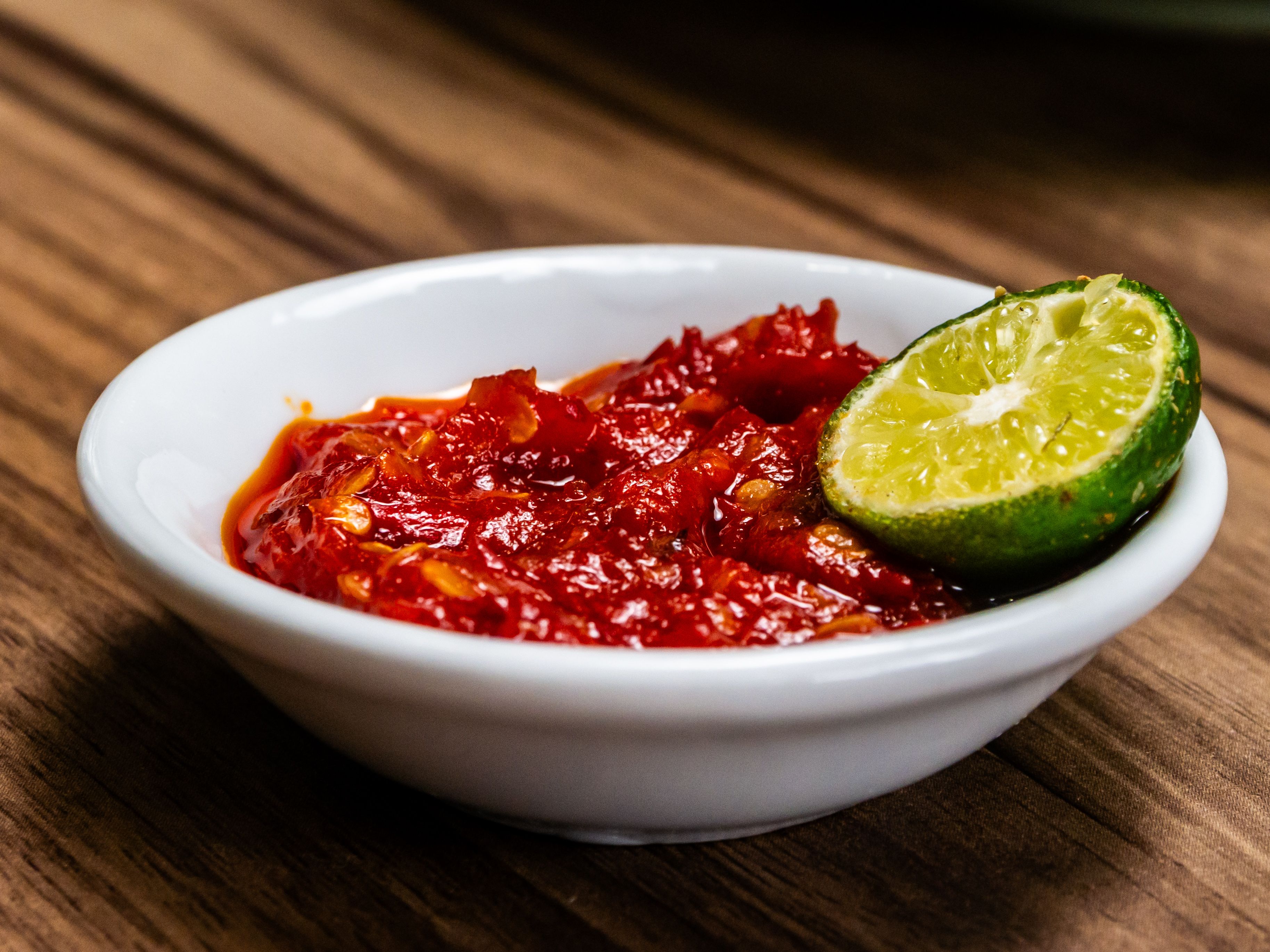
The diets react (see scores below)
Diet Ratings
Bean-based paste with 8-12g net carbs per tablespoon due to legume content. Beans are incompatible with ketosis. Often contains added sugars.
Chili bean paste is typically made from fermented beans, chilies, and salt. Most commercial versions are plant-based. However, some brands may contain animal-derived additives or be processed with non-vegan ingredients, requiring label verification.
Some chili bean paste brands may contain fish sauce, shrimp paste, or other animal-derived ingredients as flavoring agents. Always check the ingredient list.
Chili bean paste is made from legumes (beans), which are explicitly excluded from the paleo diet due to high lectin and phytic acid content. Processing does not remove these anti-nutrients.
Legume-based condiment (beans are Mediterranean staple) but often contains added sodium and sugars. If made with minimal processing and no added sugars, aligns with Mediterranean principles. Quality and ingredient list determine acceptability.
Traditional Mediterranean cuisines use beans extensively; a homemade chili bean paste with minimal salt and no added sugar would be fully approved, but commercial versions often contain problematic additives.
Chili bean paste is plant-derived (beans are legumes) and typically contains added plant ingredients. Carnivore diet excludes all legumes and plant-based foods.
Chili bean paste contains beans, which are legumes and explicitly excluded on Whole30. Most commercial versions also contain added sugar and salt.
Chili bean paste contains beans (legumes), which are high in GOS (galacto-oligosaccharides), a major FODMAP. Even fermented or processed bean pastes retain significant GOS content. Avoid during elimination phase.
Chili bean paste contains beans (DASH-approved) but is typically high in sodium and may contain added sugars. Sodium content varies significantly by brand and preparation. Acceptable in small amounts but requires moderation.
Some DASH practitioners accept small portions of fermented pastes for flavor without strict sodium limits, but NIH DASH guidelines emphasize <2,300mg sodium daily, and pastes often exceed 300mg per tablespoon.
Chili bean paste combines beans (moderate glycemic load) with added sodium and sometimes sugar. Beans are acceptable Zone carbs but require precise portioning. The paste format and added ingredients make macronutrient tracking difficult. Usable but requires careful measurement.
Some Zone practitioners accept beans as favorable carbs if portioned correctly (approximately 1/2 cup = 1 carb block). The paste format complicates this; whole beans are preferable for easier blocking.
Chili bean paste combines beans (anti-inflammatory) with chili peppers (anti-inflammatory) but often contains added salt, sugar, and sometimes oil. The inflammatory potential depends heavily on processing and additives. Homemade or minimally processed versions are preferable; commercial versions may contain excess sodium and added sugars.
Strict anti-inflammatory protocols may flag fermented bean pastes with high sodium content as problematic, while others view the probiotic and antioxidant benefits of fermented pastes as offsetting sodium concerns in moderation.
Chili bean paste provides fiber and plant-based protein (2-4g per tablespoon), supporting GLP-1 goals. However, it is often high in sodium and may contain added sugars or oils. Spice content can trigger reflux or nausea in sensitive patients. Use sparingly as a flavoring.
Some GLP-1 patients tolerate spiced bean pastes well and benefit from the fiber and protein; others experience worsened nausea or reflux, particularly on an empty stomach or in larger portions.
Nutritional profile
Six traits that cut across every diet.
Fiber & Plants
How much whole-plant food and fiber it delivers.
Healthy Fats
The quality of its fats (unsaturated, omega-3).
Whole / Unprocessed
How close it is to its natural, unprocessed form.
Gut Gentle
How easy it is on digestion (low FODMAP, few irritants).
Low Glycemic
How little it spikes your blood sugar.
Protein Density
How much protein it packs per calorie.
Controversy Index
Score range: 1–8/10. Higher controversy = more disagreement between diets.
Diet-Specific Tips for Chili bean paste
 Vegan — 8/10
- Plant-based base (beans, chilies)
- Fermented product
- Brand-dependent ingredients
- May contain hidden animal products
 Mediterranean — 6/10
- Legume-based
- Often high in sodium
- Variable added sugar content
- Quality-dependent
 DASH — 5/10
- high sodium
- beans (positive)
- potential added sugar
- processed
 Zone — 5/10
- Bean-based (moderate GI carbs)
- Added sodium and possible sugar
- Difficult to portion accurately
- Requires careful measurement
 Anti-Inflammatory — 6/10
- beans provide fiber and antioxidants
- chili peppers contain capsaicin
- often high in added sodium
- may contain added sugars
- processing quality varies
 GLP-1 Friendly — 5/10
- plant-based protein
- fiber content
- high sodium
- spice-triggered GI distress risk