The diets react (see scores below)
Diet Ratings
Shellfish with approximately 2-3g net carbs per 100g and excellent protein content. Low-carb seafood suitable for keto with standard portions.
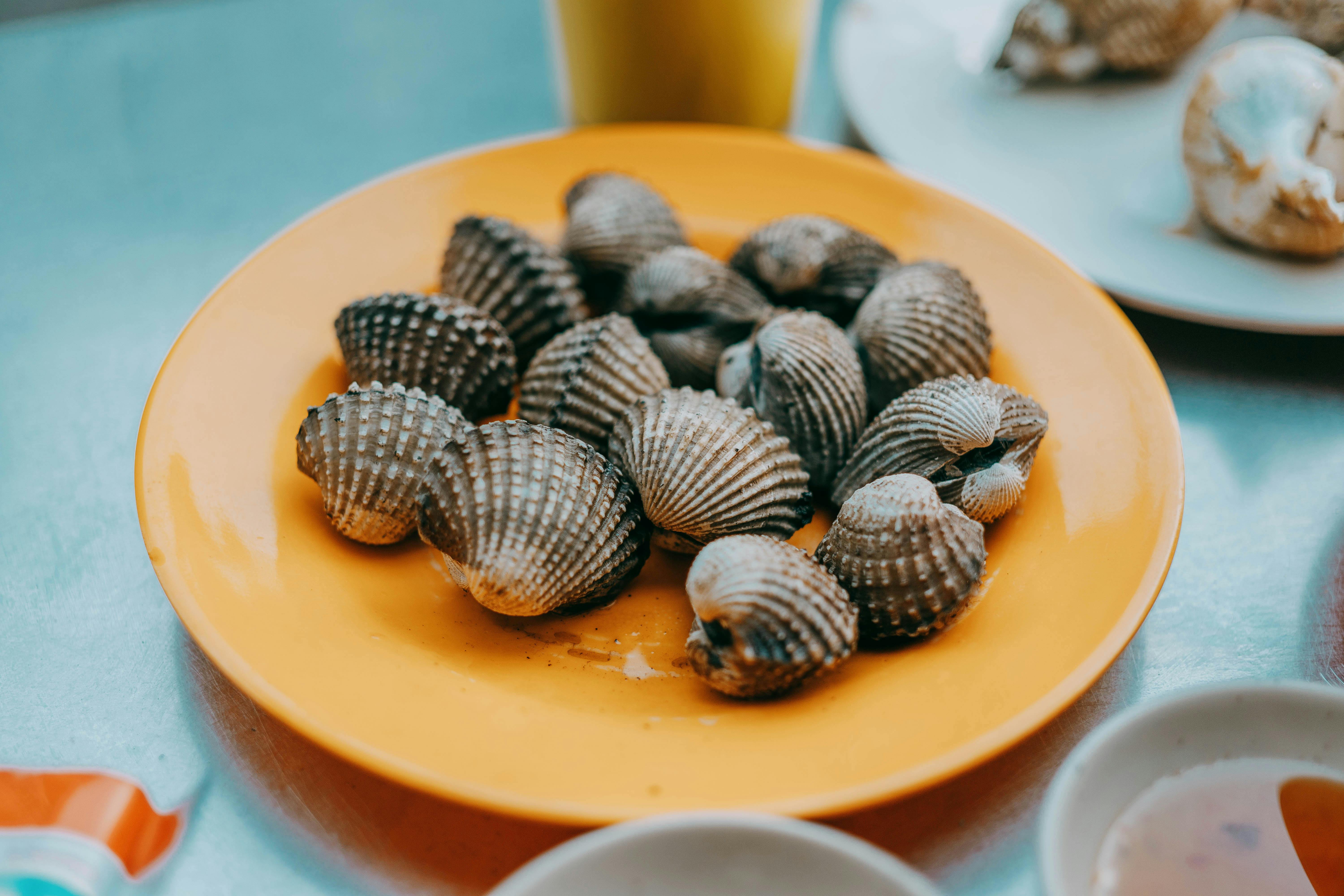
Cockles are shellfish/mollusks. All seafood and shellfish are excluded from the vegan diet as they are animal flesh.
Cockles are unprocessed shellfish rich in protein, minerals, and omega-3 fatty acids. Shellfish were consumed by Paleolithic coastal populations and contain no anti-nutrients or additives.
Shellfish/mollusks rich in omega-3 fatty acids, protein, and minerals. Aligns with Mediterranean recommendation of fish and seafood 2-3 times weekly. Traditional in Mediterranean coastal cuisines, particularly Spanish and Italian.
Cockles are shellfish/mollusks, fully animal-derived with high protein and micronutrients including iron and B12. Minimally processed when fresh. Align perfectly with carnivore diet principles.
Cockles are whole shellfish with no excluded ingredients. They are a compliant protein source on Whole30.
Cockles are shellfish (mollusks) with minimal carbohydrate content. Monash rates shellfish as low-FODMAP. No fructans, GOS, lactose, or polyols. Safe at any serving size during elimination phase.
Cockles are shellfish rich in lean protein, iron, zinc, and B vitamins. Low in saturated fat and calories. Sodium content moderate (varies by preparation). Align with DASH fish/shellfish recommendations.
Cockles are shellfish providing lean protein (~12-15g per 100g) with minimal fat and carbs. Excellent Zone protein source. Low glycemic impact and supports anti-inflammatory principles through micronutrient density.
Cockles are shellfish rich in omega-3 fatty acids, selenium, zinc, and B vitamins. They are low in saturated fat and provide high-quality protein. Shellfish are included in anti-inflammatory diet frameworks as beneficial seafood sources. Minimal processing when fresh or simply cooked.
Cockles are shellfish with 12-15g protein per 100g, minimal fat, high iron and B12, and excellent nutrient density. Low calorie, easy to digest, and support satiety. Prepare steamed or boiled to avoid added fat. Ideal GLP-1 companion food.
Nutritional profile
Six traits that cut across every diet.
Fiber & Plants
How much whole-plant food and fiber it delivers.
Healthy Fats
The quality of its fats (unsaturated, omega-3).
Whole / Unprocessed
How close it is to its natural, unprocessed form.
Gut Gentle
How easy it is on digestion (low FODMAP, few irritants).
Low Glycemic
How little it spikes your blood sugar.
Protein Density
How much protein it packs per calorie.
Controversy Index
Score range: 1–9/10. Higher controversy = more disagreement between diets.
Diet-Specific Tips for Cockles
 Keto — 8/10
- 2-3g net carbs per 100g
- High-quality protein
- Whole unprocessed seafood
- Minimal fat but nutrient-dense
 Paleo — 9/10
- unprocessed shellfish
- excellent protein source
- mineral-rich
- omega-3 content
 Mediterranean — 9/10
- Shellfish/seafood
- Omega-3 fatty acids
- Protein-rich
- Traditional Mediterranean
 Carnivore — 8/10
- shellfish
- high protein
- micronutrient-dense
- minimal processing
 Whole30 — 9/10
- Whole shellfish
- No processing
- Compliant protein
 Low-FODMAP — 9/10
- Shellfish protein source
- Negligible carbohydrate content
- No fermentable sugars or oligosaccharides
 DASH — 8/10
- lean protein
- iron
- zinc
- B vitamins
- low saturated fat
- moderate sodium
 Zone — 8/10
- Lean protein source (~12-15g per 100g)
- Minimal fat and carbs
- Low glycemic impact
- Micronutrient-dense
 Anti-Inflammatory — 7/10
- omega-3 fatty acids
- selenium and zinc
- B vitamins
- low saturated fat
- high-quality protein
 GLP-1 Friendly — 9/10
- high protein density
- low fat
- nutrient-dense
- easy digestibility