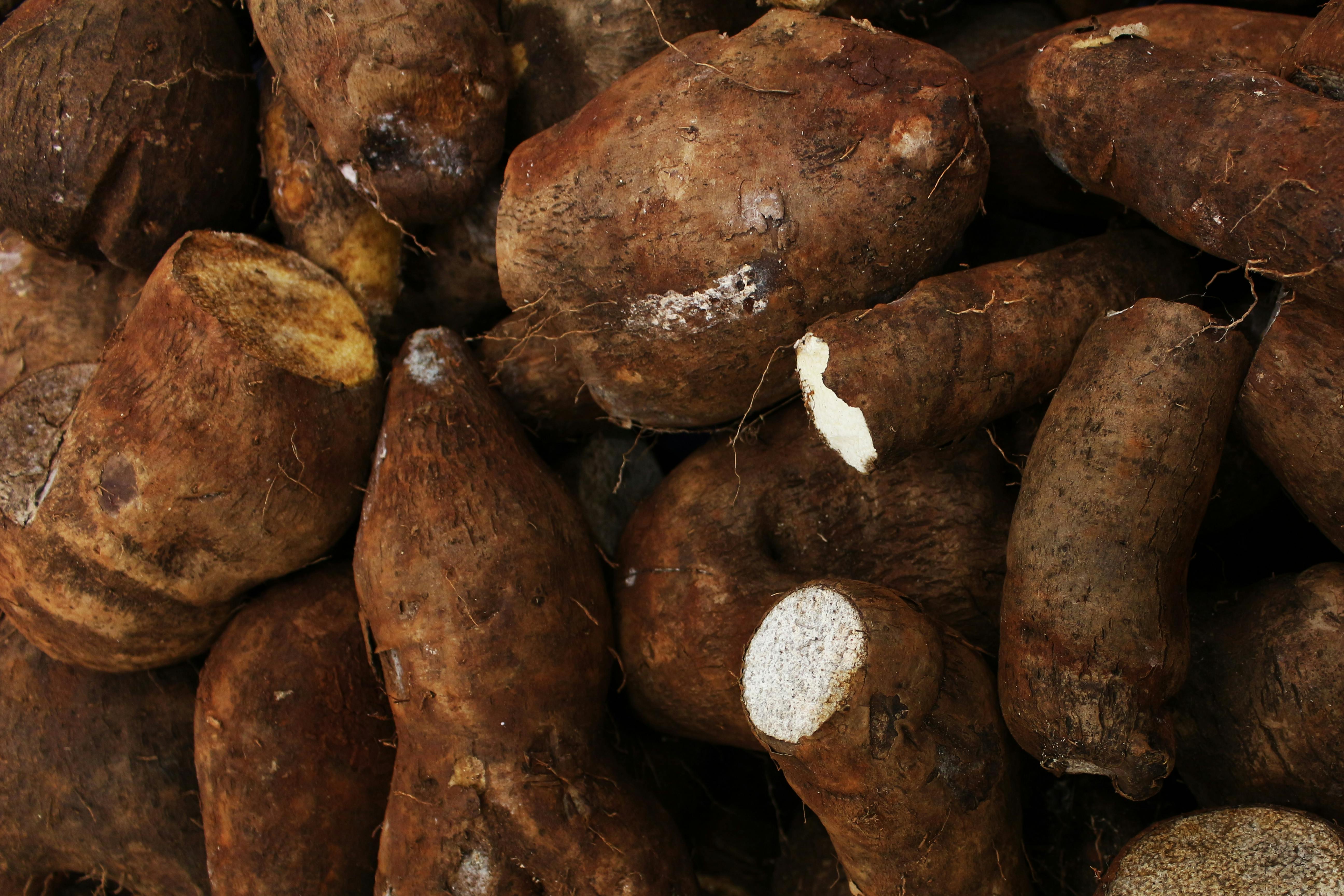
The diets react (see scores below)
Diet Ratings
Starchy root vegetable with 15-20g net carbs per 100g cooked. Incompatible with ketosis. Similar carb profile to potatoes.
Cocoyam (taro root) is a starchy tuber vegetable derived entirely from plants. It contains no animal products or derivatives and is a whole food commonly used in African, Caribbean, and Asian cuisines.
Cocoyam (taro) is a tuber with some nutrient density, but contains oxalates and requires cooking to reduce anti-nutrients. Paleo stance on non-sweet potato tubers is less settled than on sweet potatoes.
Strict paleo practitioners limit or avoid cocoyam due to anti-nutrient content and processing requirements, while some modern paleo approaches accept properly cooked tubers as safe starches.
Starchy root vegetable (taro-like) with some nutritional value but high carbohydrate content and lower nutrient density than Mediterranean staples. Not traditional to Mediterranean diet. Acceptable occasionally but not emphasized in Mediterranean guidelines.
Some modern Mediterranean interpretations include starchy vegetables and whole grain alternatives; cocoyam could fit if prepared without added fats and consumed in moderate portions, though whole grains are preferred.
Cocoyam is a plant tuber/root vegetable. Carnivore diet excludes all plant foods including starchy vegetables and tubers.
Cocoyam (taro root) is a whole vegetable with no excluded ingredients. It is a compliant starchy vegetable on Whole30.
Cocoyam (taro root) is low in FODMAPs. Monash has tested taro and rates it as low-FODMAP. Similar starch profile to potato with minimal fructans or GOS. Safe during elimination phase at standard serving sizes.
Cocoyam (taro root) is a starchy vegetable rich in fiber, potassium, magnesium, and resistant starch. Low in sodium and fat. Supports DASH vegetable diversity and mineral content.
Cocoyam (taro root) is a starchy tuber with moderate to high glycemic index (~60-70). While it contains fiber, the net carb content is significant. Can fit into Zone meals but requires careful portioning and is less favorable than low-glycemic vegetables.
Cocoyam (taro) is a starchy root vegetable with moderate nutritional value. It contains some antioxidants and fiber but is calorie-dense and high in refined carbohydrates when cooked. It is not inherently inflammatory but lacks the polyphenol density and antioxidant power of anti-inflammatory vegetables like leafy greens or colorful cruciferous vegetables.
Some anti-inflammatory frameworks include starchy vegetables as acceptable whole foods with fiber, while stricter low-carb anti-inflammatory approaches minimize them. Cocoyam's antioxidant profile is modest compared to non-starchy vegetables.
Cocoyam (taro root) is a starchy tuber with 1.5g protein and 4.1g fiber per 100g cooked. Moderate calorie density and carbohydrate load may reduce satiety compared to protein-rich alternatives. Works in small portions paired with high-protein foods, but not ideal as a primary carb source on GLP-1.
Some GLP-1 RDs include starchy vegetables like cocoyam for micronutrient diversity and fiber; others prioritize non-starchy vegetables and lean proteins to maximize satiety and minimize calorie density in reduced-appetite eating.
Nutritional profile
Six traits that cut across every diet.
Fiber & Plants
How much whole-plant food and fiber it delivers.
Healthy Fats
The quality of its fats (unsaturated, omega-3).
Whole / Unprocessed
How close it is to its natural, unprocessed form.
Gut Gentle
How easy it is on digestion (low FODMAP, few irritants).
Low Glycemic
How little it spikes your blood sugar.
Protein Density
How much protein it packs per calorie.
Controversy Index
Score range: 1–9/10. Higher controversy = more disagreement between diets.
Diet-Specific Tips for Cocoyam
 Vegan — 9/10
- Whole plant food
- Root vegetable
- No animal ingredients
- Nutrient-dense carbohydrate
 Paleo — 5/10
- tuber with anti-nutrients
- requires cooking
- oxalate content
- limited paleo consensus
 Mediterranean — 5/10
- Starchy root vegetable
- High carbohydrate content
- Non-traditional
- Lower nutrient density than Mediterranean staples
 Whole30 — 9/10
- Whole vegetable
- No processing
- Compliant produce
 Low-FODMAP — 8/10
- Root vegetable with low fructan content
- Monash-tested ingredient
- Starch-based, not fermentable oligosaccharide-based
 DASH — 8/10
- high fiber
- high potassium
- high magnesium
- resistant starch
- low sodium
- low fat
 Zone — 5/10
- Moderate-to-high glycemic index
- Starchy tuber
- Significant net carbs
- Less favorable than low-GI vegetables
 Anti-Inflammatory — 5/10
- starchy carbohydrate
- moderate fiber content
- some antioxidants
- calorie-dense
- lower polyphenol density than leafy greens
 GLP-1 Friendly — 5/10
- moderate fiber
- low protein
- starchy/moderate calories
- portion-dependent