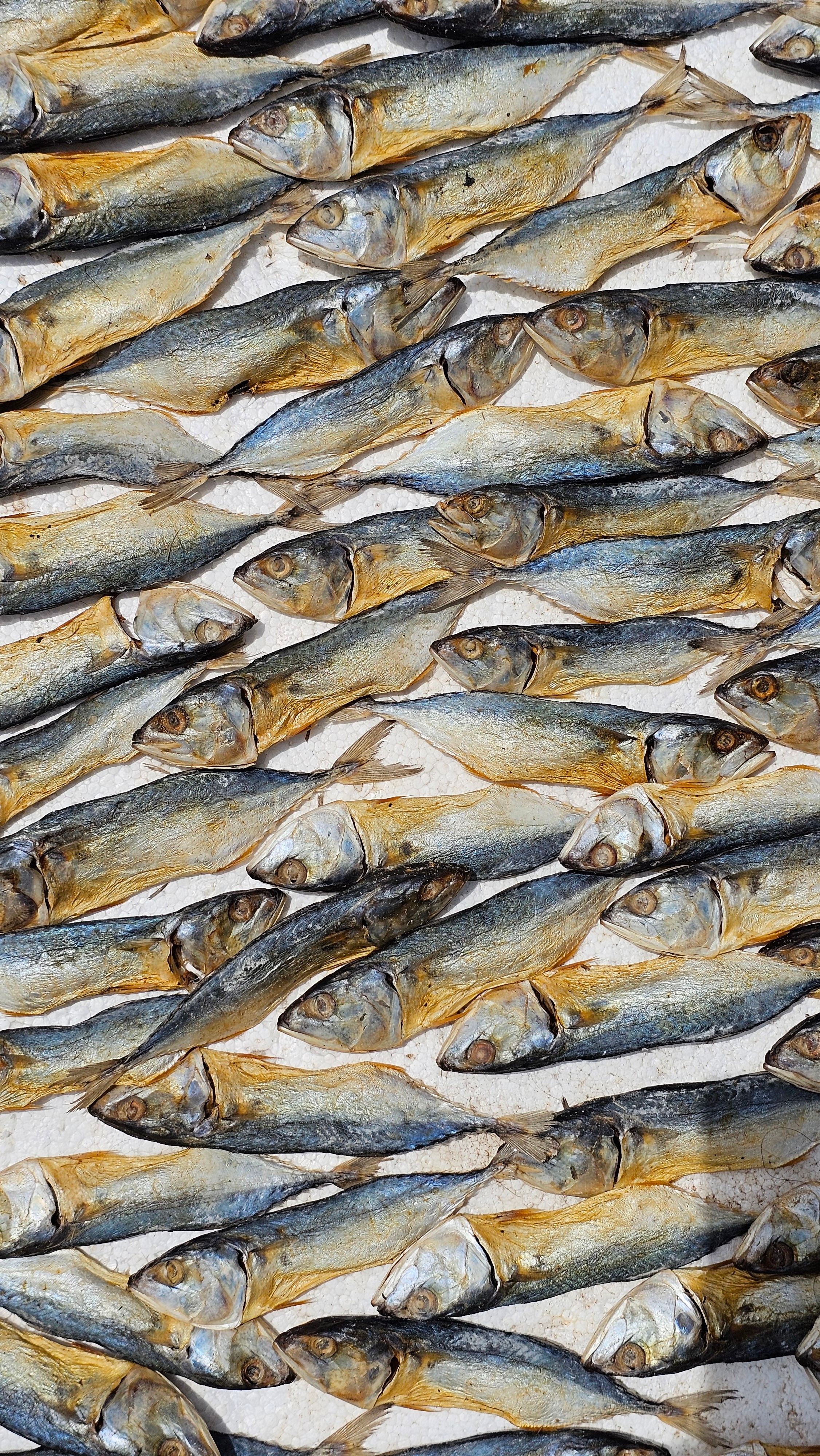
The diets react (see scores below)
Diet Ratings
Dried fish is protein-dense with minimal carbs (0-1g net carbs per ounce), high in omega-3 fatty acids, and requires no processing. Excellent keto staple.
Dried fish is a direct animal product derived from fish. It contains no plant-based alternatives and is explicitly excluded from all vegan diets.
Unprocessed dried fish is a preserved form of an approved paleo protein. Contains no additives, grains, legumes, or seed oils when properly dried.
Dried fish is a traditional Mediterranean preservation method for seafood, rich in omega-3 fatty acids and protein. Aligns with the 2-3 weekly fish servings guideline and is minimally processed.
Dried fish is pure animal protein with minimal processing. It retains all nutritional benefits of fresh fish including omega-3 fatty acids and micronutrients. No plant additives or fillers.
Dried fish is a whole, unprocessed protein with no excluded ingredients. It is a preserved form of seafood, which is explicitly allowed on Whole30.
Dried fish is a protein source with no significant FODMAP content. Drying concentrates nutrients but does not introduce fermentable carbohydrates, fructans, GOS, lactose, or polyols.
Dried fish is protein-rich and contains beneficial omega-3 fatty acids, but typically has very high sodium content due to the drying and preservation process. A 100g serving can exceed 2000mg sodium. While the protein and micronutrients align with DASH, sodium levels require strict portion control.
Dried fish is a concentrated lean protein source with minimal carbohydrates. Provides approximately 60-80g protein per 100g with negligible carbs. Excellent for Zone protein blocks. High in omega-3 fatty acids, supporting Sears' anti-inflammatory focus.
Dried fish is a concentrated source of omega-3 fatty acids, high-quality protein, and minerals (selenium, iodine). The drying process preserves anti-inflammatory compounds. Minimal processing and no added inflammatory ingredients.
Excellent protein density (20-25g per 100g), omega-3 fatty acids, minimal carbs, nutrient-dense. Easy to portion control. Low fat relative to protein content. Supports satiety and muscle preservation during weight loss.
Nutritional profile
Six traits that cut across every diet.
Fiber & Plants
How much whole-plant food and fiber it delivers.
Healthy Fats
The quality of its fats (unsaturated, omega-3).
Whole / Unprocessed
How close it is to its natural, unprocessed form.
Gut Gentle
How easy it is on digestion (low FODMAP, few irritants).
Low Glycemic
How little it spikes your blood sugar.
Protein Density
How much protein it packs per calorie.
Controversy Index
Score range: 1–9/10. Higher controversy = more disagreement between diets.
Diet-Specific Tips for Dried fish
 Keto — 9/10
- Near-zero net carbs
- High-quality protein
- Omega-3 fatty acids
- Whole food, unprocessed
 Paleo — 9/10
- Unprocessed preservation method
- High protein content
- No additives or seed oils
- Ancestral food preparation
 Mediterranean — 8/10
- Traditional Mediterranean preservation
- High in omega-3 fatty acids
- Minimal processing
- Protein-rich
 Carnivore — 9/10
- Pure animal product
- Minimal processing
- High protein density
- Preserved micronutrients
 Whole30 — 9/10
- Whole seafood product
- No added sugar or excluded ingredients
- Minimally processed preservation method
 Low-FODMAP — 8/10
- Pure protein source
- No fermentable carbohydrates
- No added ingredients to check
 DASH — 5/10
- Very high sodium (often 1500-2500mg per 100g)
- Excellent protein source
- Rich in omega-3 fatty acids
- Requires portion control and rinsing
 Zone — 8/10
- Lean protein source
- Low glycemic impact
- Omega-3 rich
- Minimal carbohydrates
- Requires careful portioning due to concentration
 Anti-Inflammatory — 8/10
- omega-3 fatty acids
- high protein
- selenium and iodine
- minimal processing
 GLP-1 Friendly — 8/10
- High protein density
- Omega-3 fats
- Low water content aids portion control
- Minimal processing
- Easy to digest in small amounts