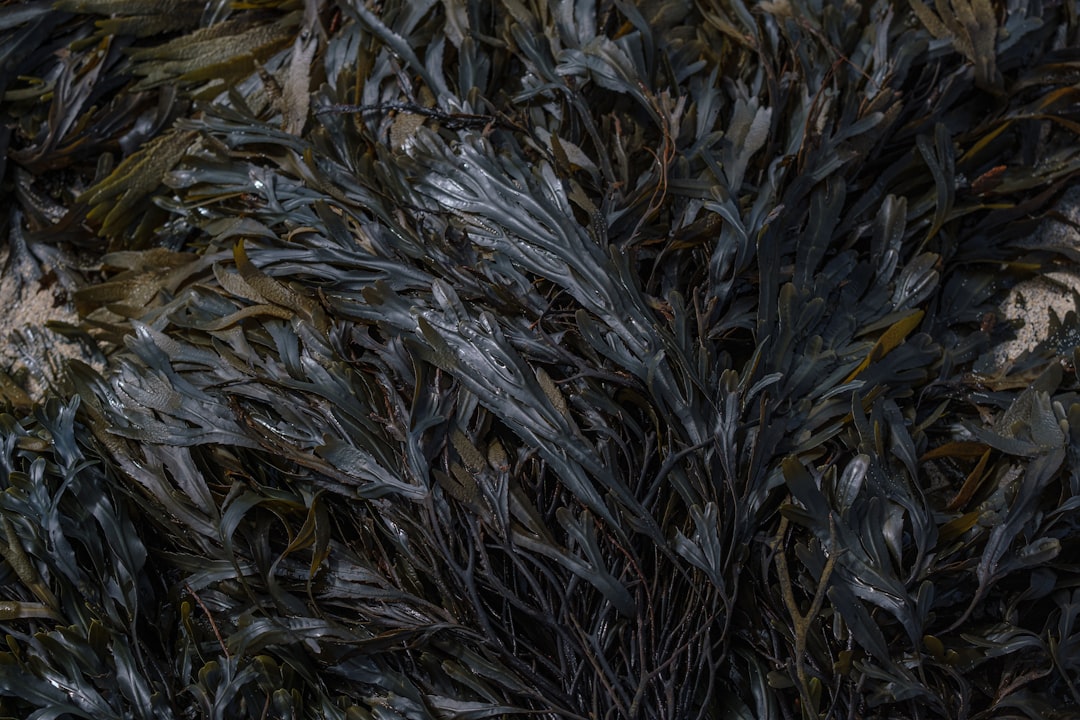
Dried seaweed (nori)
Rated by 11 diets
The diets react (see scores below)
Diet Ratings
Nori sheets contain ~1g net carbs per sheet with minimal calories. High in minerals and iodine. Excellent keto snack with no meaningful carb impact.
Whole plant food from ocean vegetables. Rich in minerals and iodine. Minimally processed and fully plant-based.
Seaweed is a whole food available to coastal hunter-gatherers. Nori sheets are typically just dried seaweed with no additives. Rich in minerals and iodine.
Nutrient-dense sea vegetable with minerals and iodine. Not traditional to Mediterranean diet but aligns with seafood/sea-based foods principle. Minimal processing when plain. Some concern about sodium content in flavored varieties.
Mediterranean diet traditionally emphasizes Mediterranean Sea foods rather than Asian seaweeds. Some practitioners consider it acceptable as a modern whole-food addition; others view it as outside the traditional scope.
Seaweed is technically animal-adjacent (marine algae/macroalgae), but plant-derived. Some carnivore practitioners include it for iodine and minerals; strict carnivores exclude all plant matter including seaweed. Minimal processing is a plus.
Strict carnivore adherents argue seaweed is plant material and violates the 'animal products only' rule. Lion Diet and meat-only practitioners exclude it entirely.
Dried seaweed is a whole, unprocessed sea vegetable with no excluded ingredients. It is a compliant snack and ingredient.
Seaweed/nori is not a significant FODMAP source. Monash data supports seaweed as low-FODMAP. Minimal carbohydrate content and no fermentable oligosaccharides.
Nutrient-dense (iodine, minerals) but often high in sodium depending on processing and salt addition. NIH DASH guidelines emphasize sodium restriction; some nori products exceed acceptable limits per serving.
Updated clinical interpretation recognizes nori's micronutrient density and suggests unsalted varieties may be acceptable; traditional DASH approach flags all seaweed due to sodium concerns.
Minimal carbs (~1g per sheet), no protein or fat. Excellent low-glycemic vegetable carb block. Rich in minerals and polyphenols. Anti-inflammatory properties align with Zone philosophy.
Rich in minerals, iodine, and polyphenols. Contains anti-inflammatory compounds and supports thyroid function. Minimal processing and no inflammatory additives when pure.
High nutrient density (iodine, minerals, trace elements), low calorie, low fat, moderate protein (5g per 10 sheets), high fiber, easy to digest, works well in small portions. Umami flavor satisfies without heaviness.
Nutritional profile
Six traits that cut across every diet.
Fiber & Plants
How much whole-plant food and fiber it delivers.
Healthy Fats
The quality of its fats (unsaturated, omega-3).
Whole / Unprocessed
How close it is to its natural, unprocessed form.
Gut Gentle
How easy it is on digestion (low FODMAP, few irritants).
Low Glycemic
How little it spikes your blood sugar.
Protein Density
How much protein it packs per calorie.
Controversy Index
Score range: 5–9/10. Higher controversy = more disagreement between diets.
Diet-Specific Tips for Dried seaweed (nori)
 Keto — 8/10
- Extremely low net carbs (~1g per sheet)
- High mineral content (iodine, magnesium)
- Minimal caloric contribution
- No added sugars in plain varieties
 Vegan — 8/10
- Whole plant food
- Mineral-rich
- Minimal processing
- Sustainably harvested varieties preferred
 Paleo — 8/10
- Whole food source
- Minimal processing (drying only)
- Nutrient-dense (iodine, minerals)
- No additives in pure nori
 Mediterranean — 5/10
- not traditional Mediterranean
- minimal processing when plain
- nutrient-dense
- potential sodium concerns in flavored versions
 Carnivore — 5/10
- marine plant origin
- minimal processing
- iodine content
- debated within community
 Whole30 — 9/10
- Whole food
- No excluded ingredients
- Unprocessed
 Low-FODMAP — 8/10
- Minimal fermentable carbohydrates
- High in minerals and iodine
- No added sweeteners typically
 DASH — 5/10
- Variable sodium content
- Rich in iodine and minerals
- Processing-dependent
- Portion control critical
 Zone — 8/10
- Negligible net carbs
- Polyphenol-rich
- Anti-inflammatory
- Mineral dense
 Anti-Inflammatory — 8/10
- polyphenols
- minerals and iodine
- minimal processing
- antioxidants
 GLP-1 Friendly — 8/10
- nutrient-dense
- low calorie
- moderate protein
- high fiber
- portion-friendly
- easy to digest