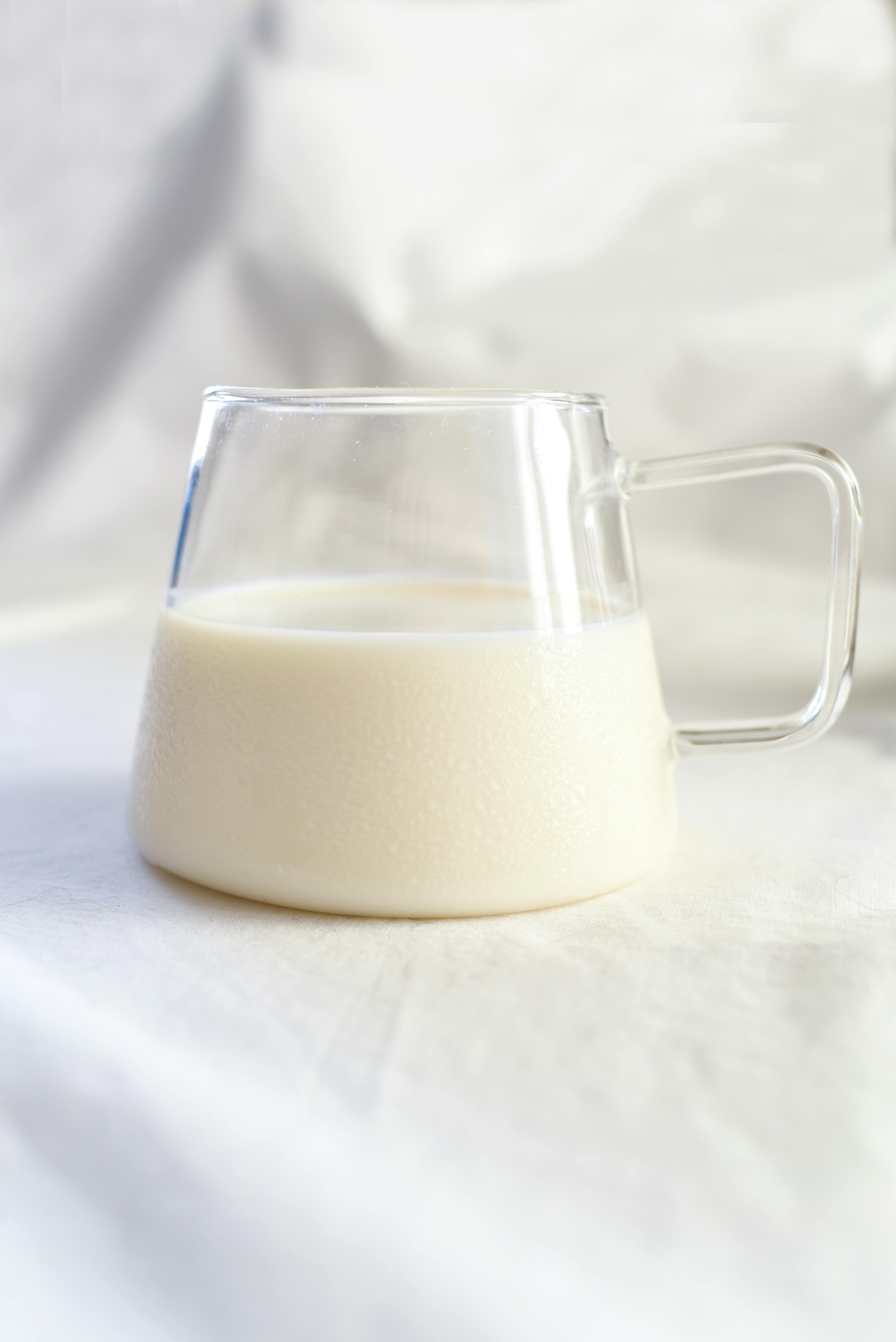
The diets react (see scores below)
Diet Ratings
Evaporated skim milk is concentrated lactose with minimal fat. A 2 oz serving contains ~12g net carbs, incompatible with keto macros. The removal of fat eliminates any keto benefit.
Evaporated skim milk is a concentrated dairy product derived from cow's milk. It contains no animal flesh but is an animal-derived ingredient explicitly excluded by vegan diet rules.
Dairy product derived from milk, which is excluded from paleo diet. Evaporation concentrates lactose and casein proteins. Skim designation removes fat but retains problematic dairy components.
Skim milk is a dairy product acceptable in moderation within Mediterranean diet, but evaporation concentrates sugars and removes beneficial fat. Fresh whole milk or yogurt are preferred dairy choices in traditional Mediterranean practice.
Some modern Mediterranean diet interpretations accept low-fat dairy as a heart-healthy alternative to full-fat versions, particularly for those managing saturated fat intake.
Skim milk removes all fat, leaving only lactose and protein. Evaporation concentrates these components. Carnivore diet prioritizes fatty animal products; fat-free dairy contradicts core principles and provides no nutritional advantage over whole milk options.
Evaporated skim milk is a dairy product. Dairy (milk, cheese, sour cream, yogurt) is explicitly excluded from Whole30 for the full 30 days. No exceptions are made for skim or evaporated versions.
Evaporated skim milk is concentrated milk with water removed, which concentrates lactose. A standard serving (2 tablespoons or 30 ml) contains approximately 3g lactose, exceeding Monash's low-FODMAP threshold of ~1g per serving. High lactose content makes it unsuitable during elimination phase.
Fat-free dairy product rich in calcium and protein. Low in saturated fat and cholesterol. Fits DASH emphasis on low-fat dairy. Sodium content varies by brand but generally acceptable; check labels for <400mg per serving.
Evaporated skim milk is concentrated dairy with higher lactose (carbohydrate) density than regular skim milk. While fat-free, it requires careful portioning to maintain Zone ratios. Approximately 1/4 cup provides ~9g carbs and 8g protein, making it usable but not ideal as a primary protein source. Better suited as a carb component in mixed meals.
Evaporated skim milk is fat-free and lower in saturated fat than whole milk, making it acceptable in moderation. However, the evaporation process concentrates milk solids and lactose, and some anti-inflammatory practitioners question pasteurized dairy's inflammatory potential. It contains some calcium and protein but lacks the omega-3 content of fatty fish or the polyphenol density of plant-based alternatives.
Mainstream nutrition science considers low-fat dairy acceptable and even beneficial for bone health; however, some anti-inflammatory and autoimmune protocol advocates (e.g., AIP) recommend avoiding all dairy due to casein and lactose, citing potential gut permeability issues.
High protein density (9g per 2 oz) and low fat make it nutritionally sound, but concentrated lactose and lack of fiber limit its utility. Some GLP-1 patients develop temporary lactose sensitivity; others tolerate it well. Best used as a cooking ingredient rather than standalone beverage.
Some RDs recommend evaporated skim milk as a convenient protein boost for coffee or smoothies; others suggest whole-food protein sources are preferable due to better satiety and digestibility in the context of slowed gastric emptying.
Controversy Index
Score range: 1–8/10. Higher controversy = more disagreement between diets.
Diet-Specific Tips for Evaporated skim milk
 Mediterranean — 5/10
- processed dairy product
- concentrated sugars
- no fat content
- acceptable in moderation
 DASH — 8/10
- Fat-free
- High calcium
- Good protein source
- Low saturated fat
- Check sodium on label
 Zone — 5/10
- High lactose concentration increases glycemic impact
- Fat-free (no fat block contribution)
- Moderate protein density
- Requires precise portioning for Zone balance
 Anti-Inflammatory — 5/10
- fat-free
- concentrated lactose
- pasteurized dairy
- calcium source
 GLP-1 Friendly — 6/10
- High protein density (9g per 2 oz)
- Low fat (0.5g per 2 oz)
- Concentrated lactose may trigger GI distress
- No fiber
- Nutrient-dense but portion-dependent utility