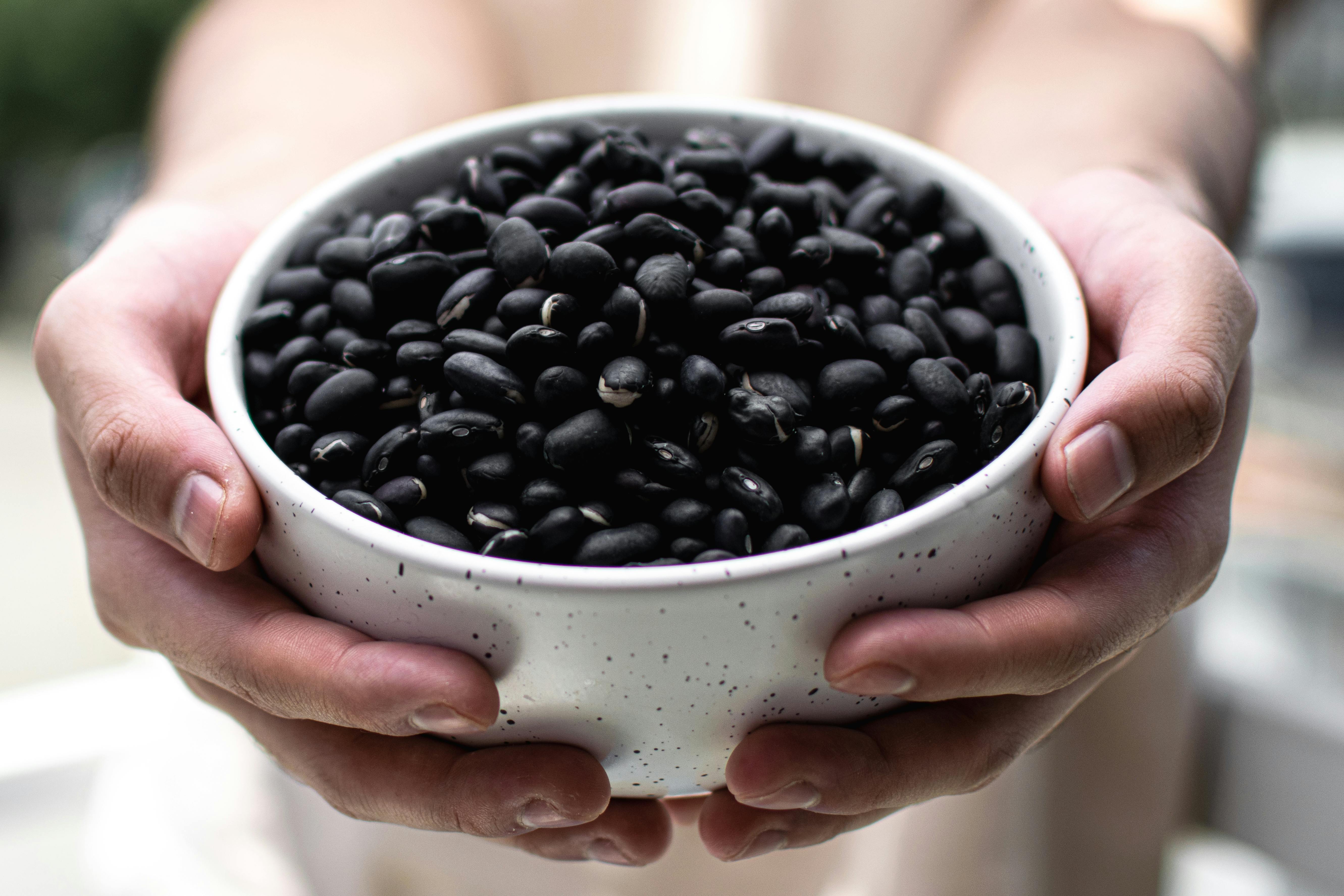
The diets react (see scores below)
Diet Ratings
Black beans contain 15-20g net carbs per 100g cooked, even when fermented. Fermentation reduces carbs minimally. Incompatible with keto macros.
Fermented black beans are legumes that have undergone fermentation, a plant-based process. They contain no animal products and are a whole plant food rich in protein and fiber.
Black beans are legumes, explicitly excluded from paleo diet. Fermentation does not change their legume status or eliminate lectins and phytic acid concerns. Legumes are avoided regardless of preparation method.
Fermented black beans are legume-based, plant-forward, and minimally processed. While not traditionally Mediterranean, fermentation aligns with Mediterranean food preservation practices and legumes are a cornerstone of the diet.
Strict Mediterranean traditionalists may note that black beans are not native to the Mediterranean region; however, modern Mediterranean diet principles embrace legumes universally, and fermentation is a respected preservation method.
Fermented black beans are legumes, a plant food explicitly excluded from carnivore diet. Fermentation does not change their plant origin or make them compatible.
Black beans are legumes, which are explicitly excluded on Whole30. Fermentation does not change their legume status. While green beans and sugar snap peas are excepted legumes, black beans are not on the exception list.
Fermented black beans have reduced GOS (galacto-oligosaccharides) compared to unfermented legumes because fermentation breaks down some oligosaccharides. However, residual GOS remains. Monash rates canned lentils as low-FODMAP in small portions; fermented beans likely follow similar patterns but require portion control during elimination.
While fermentation reduces GOS, clinical FODMAP practitioners often recommend avoiding all legumes during strict elimination phase to minimize symptoms, even if fermented. The residual GOS content and individual tolerance variability create practical ambiguity about true safety.
Fermented black beans retain the protein and fiber benefits of legumes (a DASH staple), but fermentation and preservation typically add significant sodium. A typical serving can contain 400-800mg sodium. Rinsing can reduce sodium by 30-40%, making portion control and preparation method critical.
Fermented black beans are a carbohydrate source with moderate protein. Approximately 9g protein and 20g net carbs per 100g cooked. Fermentation reduces glycemic impact compared to regular beans. Can fit into Zone meals as a carb block but requires careful portioning and pairing with lean protein and monounsaturated fat.
Fermented black beans combine the anti-inflammatory benefits of legumes (fiber, polyphenols, resistant starch) with enhanced bioavailability and probiotic content from fermentation. Reduces lectins and phytic acid. Supports gut microbiome diversity.
Excellent fiber (8-9g per 100g cooked), good protein (8-9g per 100g), fermentation improves digestibility and reduces gas compared to regular beans. Low fat, nutrient-dense. Supports satiety and prevents constipation (major GLP-1 side effect).
Nutritional profile
Six traits that cut across every diet.
Fiber & Plants
How much whole-plant food and fiber it delivers.
Healthy Fats
The quality of its fats (unsaturated, omega-3).
Whole / Unprocessed
How close it is to its natural, unprocessed form.
Gut Gentle
How easy it is on digestion (low FODMAP, few irritants).
Low Glycemic
How little it spikes your blood sugar.
Protein Density
How much protein it packs per calorie.
Controversy Index
Score range: 1–9/10. Higher controversy = more disagreement between diets.
Diet-Specific Tips for Fermented black beans
 Vegan — 9/10
- Plant-based legume
- Fermented (no animal products in fermentation)
- Whole food
 Mediterranean — 8/10
- Legume-based
- Fermented (traditional preservation)
- Plant-forward
- High in fiber and protein
 Low-FODMAP — 5/10
- Fermentation reduces but does not eliminate GOS
- Residual oligosaccharides remain
- Portion size critical for safety
 DASH — 5/10
- High sodium from fermentation (400-800mg per serving)
- Excellent plant-based protein
- High fiber content
- Rinsing reduces sodium by 30-40%
 Zone — 6/10
- Moderate protein content
- Moderate carbohydrates
- Fermentation reduces glycemic load
- Requires precise portioning
- Best paired with lean protein and healthy fat
 Anti-Inflammatory — 8/10
- fiber and resistant starch
- polyphenols
- probiotics from fermentation
- reduced anti-nutrients
- gut microbiome support
 GLP-1 Friendly — 8/10
- High fiber
- Good protein
- Fermentation aids digestion
- Low fat
- Prevents constipation