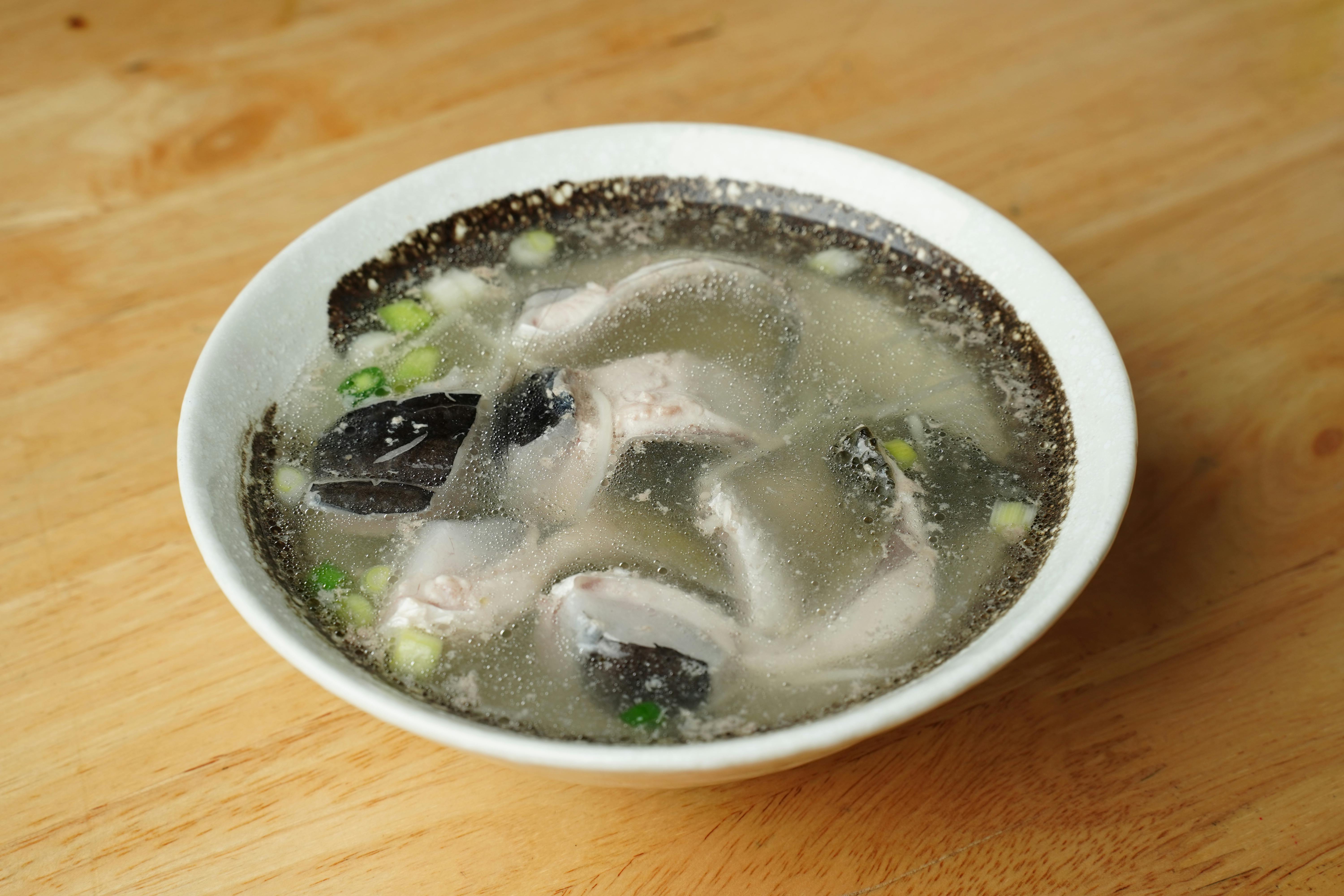
The diets react (see scores below)
Diet Ratings
Homemade or quality fish stock contains negligible carbs (~0-1g per cup) and provides collagen, minerals, and fat. Excellent keto cooking base.
Fish stock is made from fish and fish bones, making it a direct animal product. It is explicitly excluded from vegan diets.
Homemade fish stock from bones and water is an unprocessed, nutrient-dense food available to Paleolithic humans. Rich in collagen, minerals, and amino acids. No additives if made traditionally.
Fish stock is an excellent Mediterranean ingredient, providing flavor and nutrients from fish without added fat or calories. It supports the emphasis on fish and seafood consumption and is minimally processed.
Fish stock is made by simmering fish bones and connective tissue in water, extracting collagen, minerals, and amino acids. Pure animal-derived, minimally processed, and universally accepted in carnivore communities. Equivalent to bone broth but from fish.
Fish stock made from fish bones, water, and compliant seasonings is a whole food with no excluded ingredients. Verify label for added sugar, MSG (now allowed), or other additives.
Plain fish stock made from fish bones, water, and salt contains no FODMAPs. If made without garlic, onion, or high-FODMAP vegetables, it is safe at any serving.
Fish stock is low in calories and fat but typically high in sodium (400-800mg per cup depending on preparation and brand). Homemade, unsalted fish stock would be approved; commercial versions often exceed DASH sodium limits. Use low-sodium or homemade versions to align with DASH guidelines.
Fish stock is a low-calorie, protein-rich liquid made from fish bones and aromatics. It contains minimal carbohydrates and provides collagen-derived amino acids and omega-3 fatty acids (if made from fatty fish). It is an excellent Zone-compatible base for soups and sauces, adding flavor and nutritional value without disrupting macronutrient ratios. Homemade versions are preferred over commercial stocks with added sodium and sugar.
Fish stock made from bones and fish scraps provides collagen, gelatin, and minerals. If made from fatty fish (salmon, mackerel), it may contain omega-3s. Low in inflammatory compounds and supports gut health. Excellent anti-inflammatory base for soups and broths.
Fish stock is low-calorie, hydrating, and supports nutrient absorption. Contains collagen and minerals. Excellent base for soups and broths that can be paired with protein and vegetables. Aids hydration (critical for GLP-1 patients with reduced thirst) and easy to digest. No fat or sugar concerns.
Nutritional profile
Six traits that cut across every diet.
Fiber & Plants
How much whole-plant food and fiber it delivers.
Healthy Fats
The quality of its fats (unsaturated, omega-3).
Whole / Unprocessed
How close it is to its natural, unprocessed form.
Gut Gentle
How easy it is on digestion (low FODMAP, few irritants).
Low Glycemic
How little it spikes your blood sugar.
Protein Density
How much protein it packs per calorie.
Controversy Index
Score range: 1–9/10. Higher controversy = more disagreement between diets.
Diet-Specific Tips for Fish stock
 Keto — 8/10
- 0-1g net carbs per cup
- Rich in collagen and minerals
- Supports satiety
- Whole food ingredient
 Paleo — 8/10
- Unprocessed whole food
- Rich in collagen and minerals
- Available to hunter-gatherers
- No additives if homemade
 Mediterranean — 8/10
- fish-based
- minimal processing
- supports seafood emphasis
- nutrient-rich
 Carnivore — 8/10
- Animal-derived
- Collagen-rich
- Mineral-dense
- Minimally processed
- No additives (if homemade)
 Whole30 — 9/10
- Whole food base
- No excluded ingredients if unsweetened
- Check label for additives
 Low-FODMAP — 8/10
- No fermentable carbohydrates
- Assumes no garlic or onion added
- Pure protein and mineral extraction
 DASH — 5/10
- High sodium in commercial versions (400-800mg per cup)
- Low fat and calories
- Rich in minerals and collagen
- Sodium content varies by brand and preparation
 Zone — 8/10
- Low-glycemic
- Protein-rich
- Omega-3 source
- Minimal carbohydrates
- Anti-inflammatory
 Anti-Inflammatory — 8/10
- collagen and gelatin
- minerals (calcium, magnesium)
- potential omega-3s from fatty fish
- supports gut barrier
 GLP-1 Friendly — 8/10
- High water content, supports hydration
- Low calorie, nutrient-dense
- Easy to digest
- Supports satiety when used in soups
- Collagen and minerals support joint/gut health