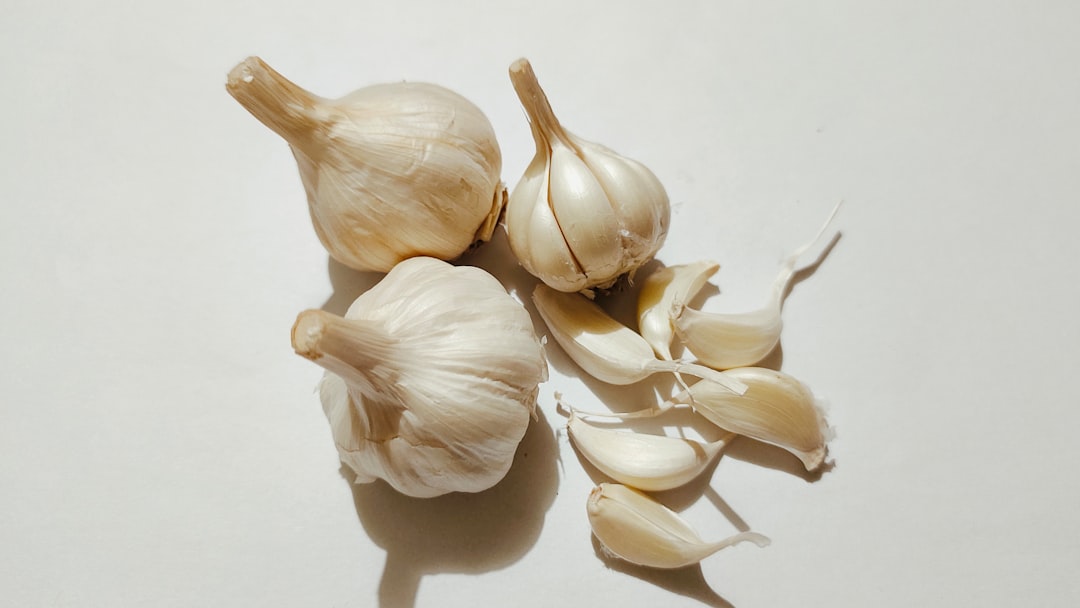
The diets react (see scores below)
Diet Ratings
Garlic is keto-compatible: 1g net carbs per clove, but typically used in small quantities for flavoring. Adds nutritional value and flavor without meaningful carb impact. Whole food, unprocessed.
Whole plant vegetable with no animal products or derivatives. Ideal vegan food meeting all dietary criteria.
Unprocessed herb/vegetable available to hunter-gatherers. Nutrient-dense, antimicrobial properties, used as flavoring and medicine. No anti-nutrients or processing concerns.
Essential Mediterranean ingredient with documented cardiovascular and anti-inflammatory benefits. Used fresh in cooking multiple times daily. Foundational to Mediterranean culinary tradition and health principles. Minimal processing when fresh.
Garlic is plant-derived and classified as a spice/flavoring. Excluded by carnivore diet rules prohibiting all plant foods and plant-based seasonings.
Garlic is a whole vegetable/seasoning with no processing or added ingredients. Vegetables and herbs/spices are explicitly allowed on Whole30.
Garlic is extremely high in fructans (oligosaccharides). Monash University rates garlic as high-FODMAP at all servings, even 1 clove. Garlic-infused oil is low-FODMAP alternative.
Core DASH flavoring. Minimal calories/sodium, supports reduced-salt cooking, contains allicin with potential cardiovascular benefits.
Negligible carbs (~1g per clove) with potent anti-inflammatory compounds (allicin). Enhances Zone meals without glycemic impact. Dr. Sears emphasizes garlic for polyphenol content. Minimal portion concern.
Garlic is a cornerstone anti-inflammatory food containing allicin (potent anti-inflammatory compound), sulfur compounds, and polyphenols. It supports immune function and cardiovascular health. Minimal calories with maximum anti-inflammatory benefit.
Minimal calories (4 cal per clove), aids digestion, anti-inflammatory, zero fat, enhances flavor without adding calories or fat. Used in small amounts, not a primary food but excellent seasoning for GLP-1 diet. Supports nutrient-dense meal preparation.
Nutritional profile
Six traits that cut across every diet.
Fiber & Plants
How much whole-plant food and fiber it delivers.
Healthy Fats
The quality of its fats (unsaturated, omega-3).
Whole / Unprocessed
How close it is to its natural, unprocessed form.
Gut Gentle
How easy it is on digestion (low FODMAP, few irritants).
Low Glycemic
How little it spikes your blood sugar.
Protein Density
How much protein it packs per calorie.
Controversy Index
Score range: 1–10/10. Higher controversy = more disagreement between diets.
Diet-Specific Tips for Garlic
 Keto — 7/10
- 1g net carbs per clove
- Minimal consumption per use
- Adds flavor and nutrition
- Antimicrobial properties
 Vegan — 10/10
- Whole plant food
- No processing
- No animal ingredients
 Paleo — 9/10
- Unprocessed whole food
- Available to Paleolithic humans
- Medicinal properties
- Used as flavoring/spice
 Mediterranean — 10/10
- Foundational Mediterranean ingredient
- Cardiovascular health benefits
- Anti-inflammatory compounds
- Multiple daily use appropriate
 Whole30 — 10/10
- Whole vegetable
- No additives
- Explicitly allowed
 DASH — 9/10
- Very low sodium
- Flavor enhancer
- Bioactive compounds
- Supports salt reduction
 Zone — 9/10
- Negligible carbs
- Anti-inflammatory compounds
- Polyphenol-rich
- Flavor enhancer
 Anti-Inflammatory — 10/10
- allicin is potent anti-inflammatory
- sulfur compounds support detoxification
- rich in polyphenols
- supports immune function
- raw or cooked both beneficial
 GLP-1 Friendly — 7/10
- Minimal calories
- Aids digestion
- Zero fat
- Flavor enhancement
- Anti-inflammatory