The diets react (see scores below)
Diet Ratings
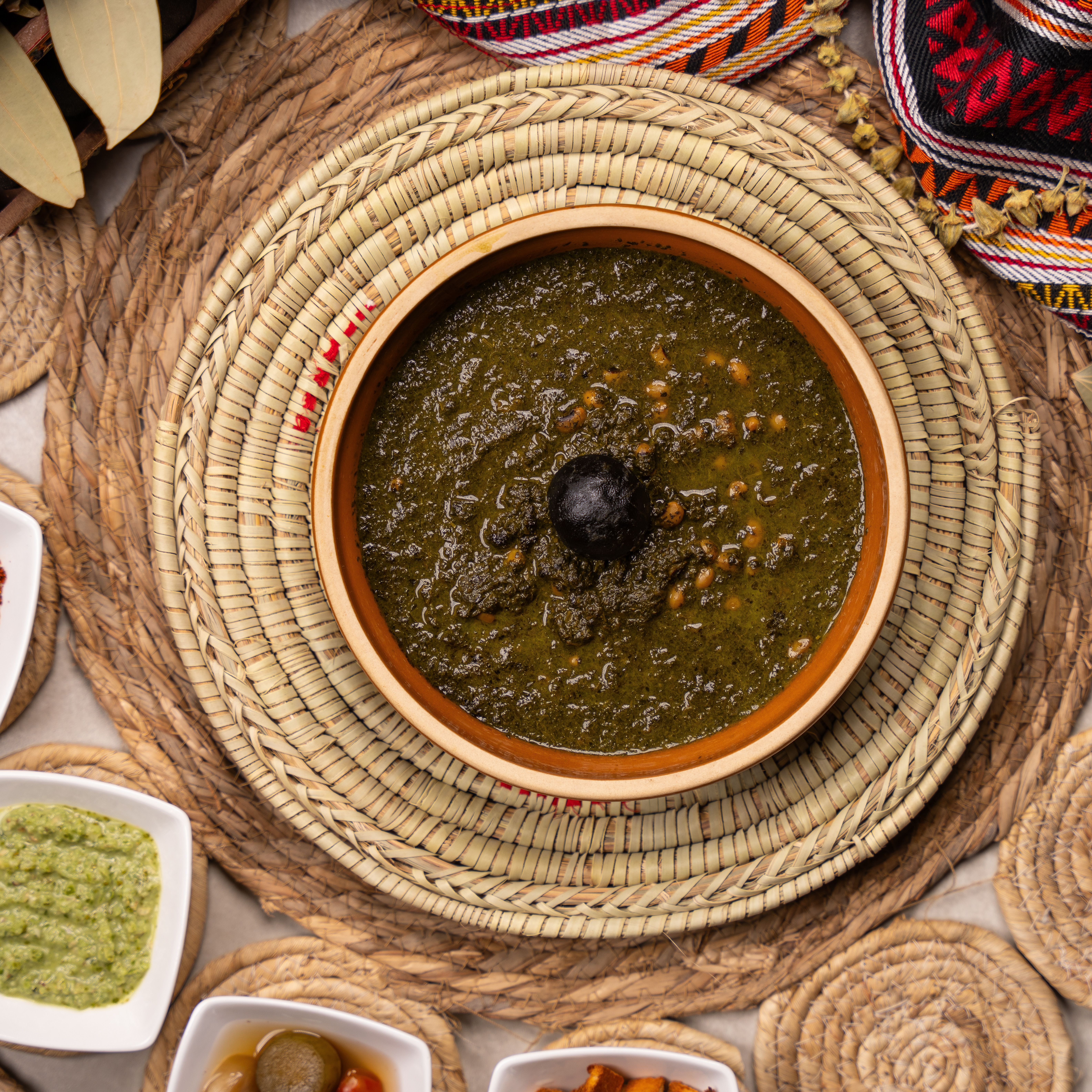
Hilbeh is a Yemeni fenugreek paste with minimal carbs and high fat content from sesame and spices. Naturally low-carb condiment that fits keto macros well.
Hilbeh is a Yemeni condiment made from fenugreek, cilantro, and other herbs and spices. Contains no animal products or derivatives.
Hilbeh is a Yemeni condiment made from fenugreek (legume sprouts), garlic, cilantro, and oil. While herbs and spices are paleo-approved, fenugreek is a legume. The sprouting process may reduce anti-nutrients, but legume origin remains problematic.
Some paleo practitioners accept sprouted legumes in small amounts, arguing sprouting significantly reduces phytic acid and lectins. However, mainstream paleo excludes all legume-derived products.
Hilbeh is a fenugreek-based condiment from the Levantine Mediterranean region. Fenugreek is an herb/spice with minimal calories and potential health benefits. Aligns with Mediterranean use of herbs and spices to flavor whole foods.
Hilbeh is a Yemeni condiment made primarily from fenugreek (plant seeds) and herbs. Plant-derived and explicitly excluded from carnivore diet.
Hilbeh is a traditional Yemeni condiment made from fenugreek leaves, cilantro, garlic, and chili peppers. All ingredients are Whole30-compliant herbs, vegetables, and spices with no excluded additives.
Hilbeh is a Yemeni condiment made primarily from fenugreek leaves and seeds. Fenugreek seeds contain significant fructans and GOS. Even in small condiment portions, the FODMAP load is concerning during elimination phase.
Limited Monash testing on hilbeh specifically; assessment based on fenugreek seed composition and typical FODMAP practitioner guidance to avoid fenugreek during elimination.
Hilbeh is a Yemeni fenugreek paste with minimal processing. Fenugreek seeds are rich in fiber, magnesium, and have low sodium. However, limited NIH DASH-specific guidance on this traditional food; assessment based on ingredient profile and general DASH principles favoring whole plant foods.
Traditional preparations may include added salt or oil; sodium content varies by recipe. Some DASH practitioners may rate lower without verified sodium data.
Hilbeh is a fenugreek-based condiment that is low in calories and carbohydrates, with minimal fat and protein. It functions as a flavoring agent and vegetable-adjacent food. The fenugreek seeds have a low glycemic index and contain polyphenols, aligning with Zone's anti-inflammatory focus. Can be used liberally as a condiment without disrupting macronutrient ratios.
Hilbeh is a Yemeni condiment made primarily from fenugreek leaves, which are rich in polyphenols, fiber, and compounds with documented anti-inflammatory properties. Fenugreek has been studied for reducing inflammatory markers and supporting metabolic health. The herb-based composition aligns well with anti-inflammatory diet principles.
Hilbeh (fenugreek paste) is nutrient-dense with fiber and some protein, but typically high in fat from sesame/oil base. Spice level may trigger reflux in sensitive patients. Acceptable in small amounts as a condiment/flavoring rather than main component.
Some GLP-1 RDs view fenugreek positively for blood sugar stabilization and appetite control, while others caution that the fat content and spice level outweigh benefits for patients experiencing GI side effects.
Nutritional profile
Six traits that cut across every diet.
Fiber & Plants
How much whole-plant food and fiber it delivers.
Healthy Fats
The quality of its fats (unsaturated, omega-3).
Whole / Unprocessed
How close it is to its natural, unprocessed form.
Gut Gentle
How easy it is on digestion (low FODMAP, few irritants).
Low Glycemic
How little it spikes your blood sugar.
Protein Density
How much protein it packs per calorie.
Controversy Index
Score range: 1–9/10. Higher controversy = more disagreement between diets.
Diet-Specific Tips for Hilbeh
 Keto — 8/10
- Minimal net carbs
- High fat from sesame
- Spice-based, no added sugar
- Small serving portions typical
 Vegan — 9/10
- Plant-based herbs and spices
- Traditional whole-food condiment
- No animal ingredients
 Paleo — 5/10
- Fenugreek is a legume
- Sprouted form may reduce anti-nutrients
- Typically used as condiment in small amounts
- Contains approved herbs (garlic, cilantro)
 Mediterranean — 8/10
- traditional Mediterranean herb
- minimal processing
- low calorie
- flavor enhancer for whole foods
 Whole30 — 9/10
- Herbs and spices only
- No added sugar or excluded ingredients
- Whole food preparation
 DASH — 8/10
- Whole plant-based ingredient
- Rich in fiber and magnesium
- Low sodium (if unsalted)
- Minimal processing
- Limited commercial standardization
 Zone — 8/10
- Low glycemic index
- Minimal macronutrient impact
- Anti-inflammatory polyphenols
- Suitable as condiment/flavoring
 Anti-Inflammatory — 8/10
- Fenugreek leaves (primary ingredient)
- High in polyphenols and fiber
- Documented anti-inflammatory compounds
- Minimal processing
 GLP-1 Friendly — 6/10
- moderate protein
- high fat from oil/sesame
- spice-based
- fiber present
- condiment-level portions recommended