The diets react (see scores below)
Diet Ratings
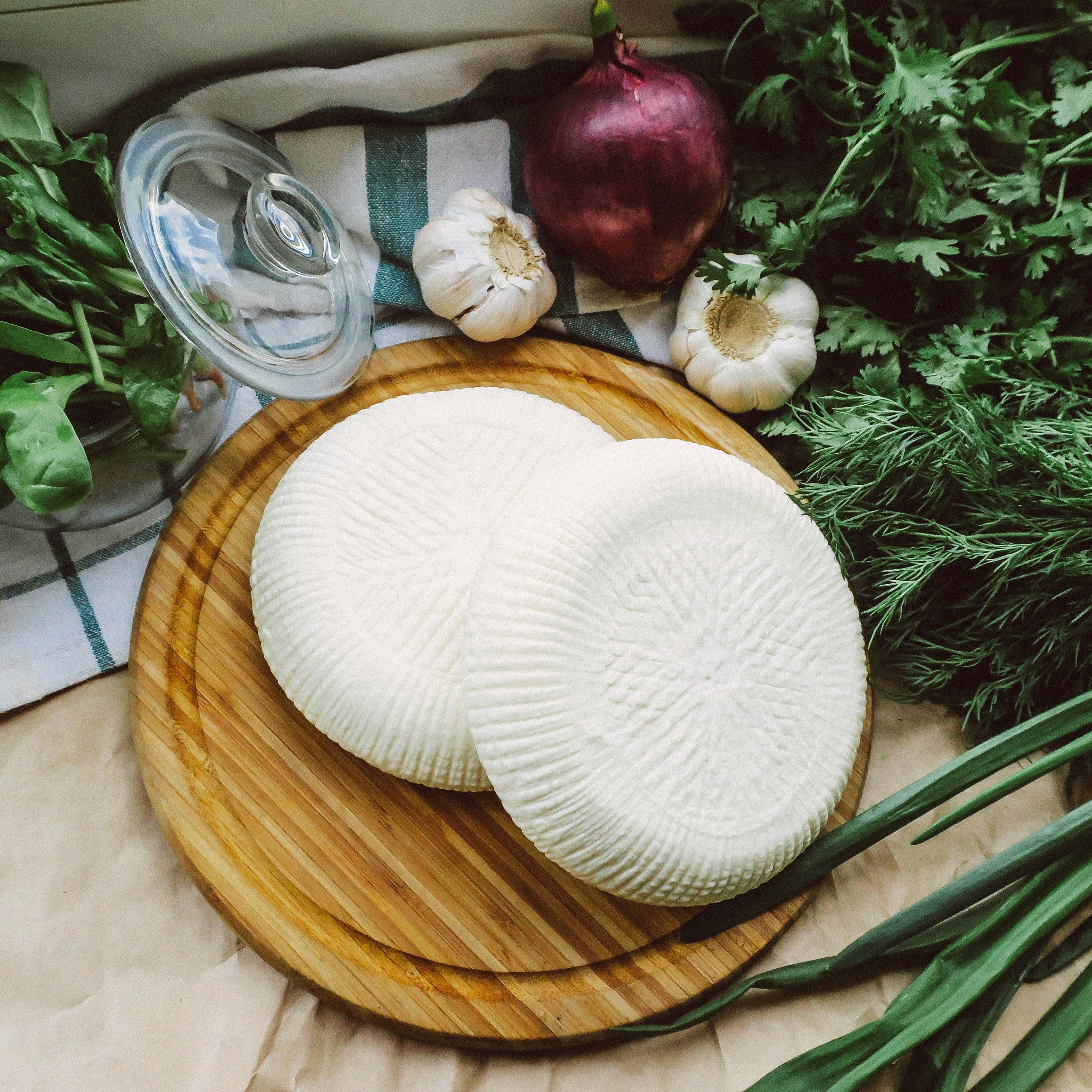
Imeruli is a Georgian cheese with high fat and protein content and minimal carbs (less than 1g per serving). Excellent keto dairy choice.
Imeruli is a Georgian cheese made from milk (dairy product). All cheese and dairy products are excluded from vegan diets.
Imeruli is a Georgian cheese made from dairy milk. Paleo diet excludes dairy products due to lactose, casein, and modern processing. Cheese is not available to Paleolithic humans in this form.
Imeruli is a traditional Georgian cheese. Cheese is acceptable in Mediterranean diet in moderate amounts (dairy in moderation). However, it is calorie and saturated fat-dense, so portion control is essential. Not a core staple but acceptable occasionally.
Some Mediterranean diet interpretations, particularly those emphasizing traditional Greek and Italian practices, include moderate cheese consumption as part of daily meals, while modern clinical guidelines recommend limiting saturated fat intake and using cheese sparingly.
Imeruli is a Georgian cheese made from cow milk. Dairy is debated in carnivore community—widely consumed by most practitioners but excluded by strict 'meat only' carnivores due to lactose and potential inflammatory properties.
Strict carnivore and 'Lion Diet' adherents exclude all dairy including cheese, citing lactose intolerance, casein sensitivity, and inflammatory potential. Saladino's animal-based approach includes raw dairy but questions pasteurized cheese.
Imeruli is a traditional Georgian cheese made from milk. Dairy products including cheese are explicitly excluded on Whole30. The only dairy exception is ghee/clarified butter.
Imeruli is a traditional Georgian cheese, typically a fresh or semi-fresh cheese. Most fresh and soft cheeses contain lactose, making them high-FODMAP. Without specific Monash testing, standard cheese lactose content applies.
Limited Monash data on Imeruli specifically. Assessment based on typical lactose content in fresh/soft cheeses. Some aged cheeses are low-FODMAP due to lactose breakdown, but Imeruli's preparation suggests higher lactose retention.
Imeruli is a traditional Georgian cheese, typically full-fat and high in sodium (varies by production). DASH specifies low-fat or fat-free dairy. While cheese provides calcium, the saturated fat and sodium content exceed DASH recommendations. Low-fat versions would score higher.
Recent research suggests full-fat dairy may not worsen cardiovascular outcomes; some updated DASH interpretations are loosening the low-fat dairy requirement. However, NIH DASH guidelines still specify low-fat dairy, and sodium content in traditional cheese remains a concern.
Imeruli is a traditional Georgian cheese that is typically high in saturated fat and sodium. While cheese can provide protein and fat blocks in Zone meals, Imeruli's saturated fat profile makes it less ideal than low-fat dairy options preferred in Zone. Small portions (1-2 ounces) could fit as a fat/protein block, but low-fat alternatives are recommended.
Some Zone practitioners accept full-fat cheese in moderation as part of the anti-inflammatory focus on whole foods, though Sears' original protocol emphasized low-fat dairy. The saturated fat content is the primary concern relative to Zone's preference for monounsaturated fats.
Imeruli is a traditional Georgian cheese, typically made from cow's milk and high in saturated fat and sodium. Full-fat dairy is limited in the anti-inflammatory diet. While it provides protein and calcium, the saturated fat content and lack of anti-inflammatory compounds make it a food to consume sparingly.
Some anti-inflammatory sources allow moderate amounts of full-fat dairy from grass-fed sources due to conjugated linoleic acid (CLA) and fat-soluble vitamins, while mainstream anti-inflammatory guidance recommends limiting saturated fat and favoring low-fat or plant-based alternatives.
Good protein source (20g per 100g) but high fat (25g per 100g). Cheese is nutrient-dense but portion-sensitive; small amounts work, large servings trigger bloating/nausea. Some GLP-1 RDs recommend it as protein boost; others limit it due to fat and potential lactose sensitivity during medication.
Some RDs view cheese as acceptable protein source in small portions (1-2 oz), while others recommend limiting dairy due to high fat content and temporary lactose sensitivity many GLP-1 patients experience, preferring plant-based or leaner protein alternatives.
Nutritional profile
Six traits that cut across every diet.
Fiber & Plants
How much whole-plant food and fiber it delivers.
Healthy Fats
The quality of its fats (unsaturated, omega-3).
Whole / Unprocessed
How close it is to its natural, unprocessed form.
Gut Gentle
How easy it is on digestion (low FODMAP, few irritants).
Low Glycemic
How little it spikes your blood sugar.
Protein Density
How much protein it packs per calorie.
Controversy Index
Score range: 1–9/10. Higher controversy = more disagreement between diets.
Diet-Specific Tips for Imeruli cheese
 Keto — 9/10
- Less than 1g net carbs per serving
- High fat content
- Quality protein source
- Whole food dairy
 Mediterranean — 5/10
- dairy product
- moderate consumption acceptable
- saturated fat content
- portion control critical
- not a daily staple
 Carnivore — 5/10
- animal-derived dairy
- contains lactose
- processing method unclear
- casein content
 DASH — 4/10
- Full-fat (high saturated fat)
- High sodium (traditional preparation)
- Good source of calcium
- Limited portion control in typical use
- Low-fat alternatives would be preferred
 Zone — 5/10
- High in saturated fat
- Adequate protein content
- High sodium typical of cheese
- Low-fat dairy alternatives preferred
 Anti-Inflammatory — 4/10
- High saturated fat
- High sodium
- Full-fat dairy (limited in anti-inflammatory diet)
- Provides protein and calcium
 GLP-1 Friendly — 5/10
- high protein
- high fat
- lactose present
- nutrient-dense
- portion control critical
- potential lactose sensitivity