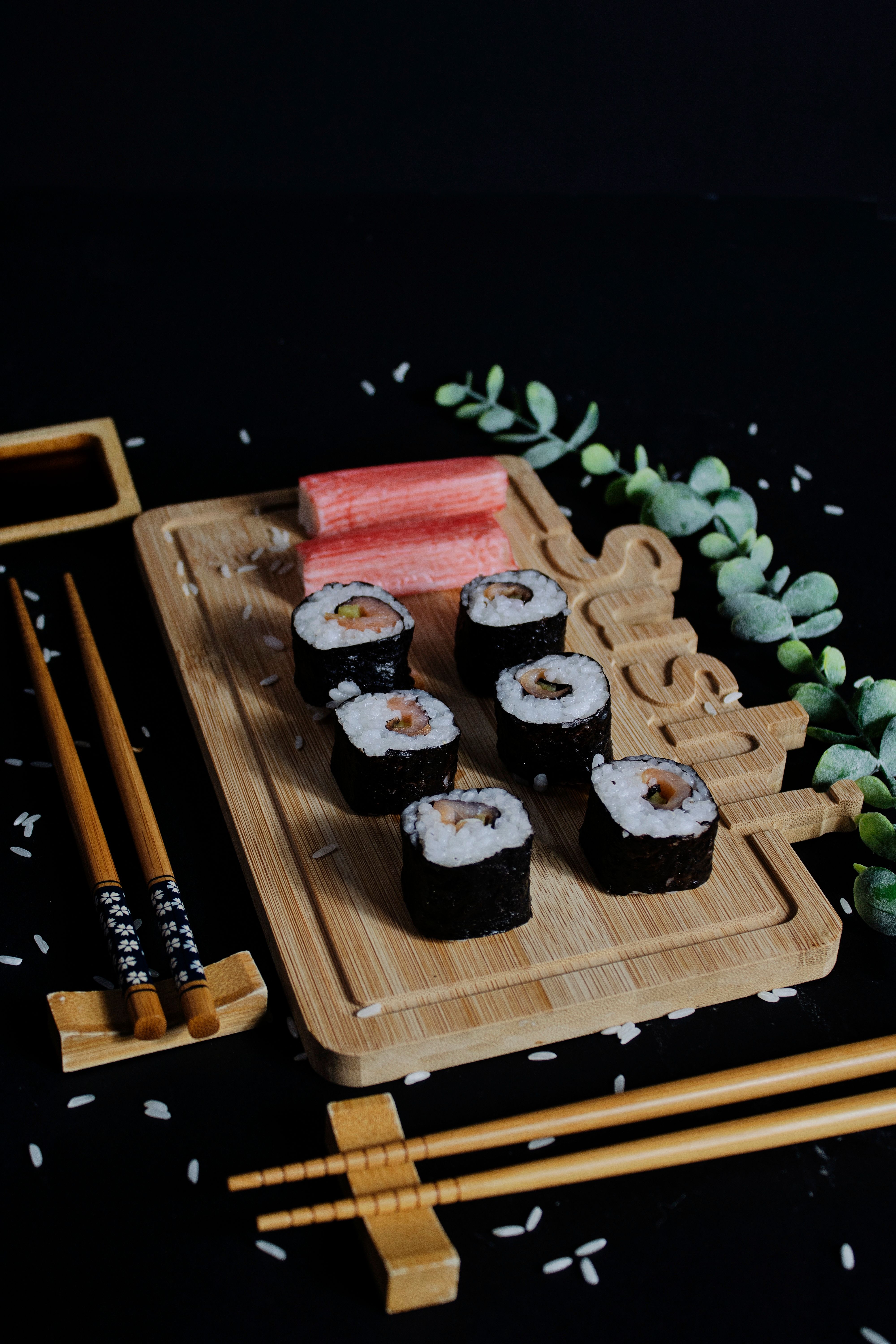
The diets react (see scores below)
Diet Ratings
Imitation crab typically contains 6-8g net carbs per 3oz serving due to added starches and sugars used as binders. Consumable in small portions but requires careful tracking.
Some keto practitioners avoid surimi entirely due to processing and hidden carbs, while others allow small portions as an occasional treat if carb budget permits.
Surimi is made from fish (typically pollock or other white fish), making it an animal product despite being processed and imitation.
Highly processed product made from fish paste with added starches, binders, colorants, and preservatives. Violates paleo principle of whole, unprocessed foods.
Highly processed product made from fish paste with added starches, sugars, and sodium. Contradicts Mediterranean emphasis on whole, minimally processed foods despite fish base.
Surimi is heavily processed with starch fillers, sugar, and plant-based binders. Despite fish base, the additives and processing make it incompatible with carnivore principles.
Imitation crab (surimi) is a highly processed product typically made from fish paste with added starch, sugar, and other additives. Contains excluded ingredients and violates the spirit of whole, unprocessed foods.
Surimi contains added sugars and starches. While low-FODMAP at small portions, larger servings may contain excess fructose or other additives. Monash testing limited; composition varies by brand.
Monash University has limited specific testing on surimi products. Clinical practitioners recommend checking ingredient labels for added sugars (fructose, honey) and limiting to 100g portions. Some brands may contain garlic or onion powder.
Highly processed seafood product with added sodium (typically 600-900mg per 3oz serving) and added sugars. Contains binders and additives. Acceptable occasionally but not a core DASH choice.
Heavily processed with added sugars, starches, and binders. Typically 3 oz contains 6-10g carbs (mostly simple sugars) plus sodium. Macro profile is poor for Zone; difficult to balance without exceeding carb targets.
Highly processed product with added sugars, sodium, starch, and artificial additives. Contains trans fats and lacks nutritional benefits of real fish. Violates core anti-inflammatory principle of avoiding processed foods.
Surimi provides moderate protein (10-12g per 3oz) but is highly processed with added sugars, starches, and sodium. It's low in fat, which is good, but the processing and added carbs reduce nutritional density. Some RDs accept it as a convenient protein source; others view it as ultra-processed with minimal micronutrient value.
Some RDs recommend surimi as a low-fat, convenient protein option for GLP-1 patients; others avoid it due to high processing, added sugars, and low micronutrient density relative to whole fish.
Nutritional profile
Six traits that cut across every diet.
Fiber & Plants
How much whole-plant food and fiber it delivers.
Healthy Fats
The quality of its fats (unsaturated, omega-3).
Whole / Unprocessed
How close it is to its natural, unprocessed form.
Gut Gentle
How easy it is on digestion (low FODMAP, few irritants).
Low Glycemic
How little it spikes your blood sugar.
Protein Density
How much protein it packs per calorie.
Controversy Index
Score range: 1–5/10. Higher controversy = more disagreement between diets.
Diet-Specific Tips for Imitation crab (surimi)
 Low-FODMAP — 5/10
- Added sugars in formulation
- Brand-dependent ingredient variation
- Potential for excess fructose
- Starch content variable
 DASH — 4/10
- Highly processed
- High sodium content
- Added sugars
- Artificial binders
- Low nutritional density