The diets react (see scores below)
Diet Ratings
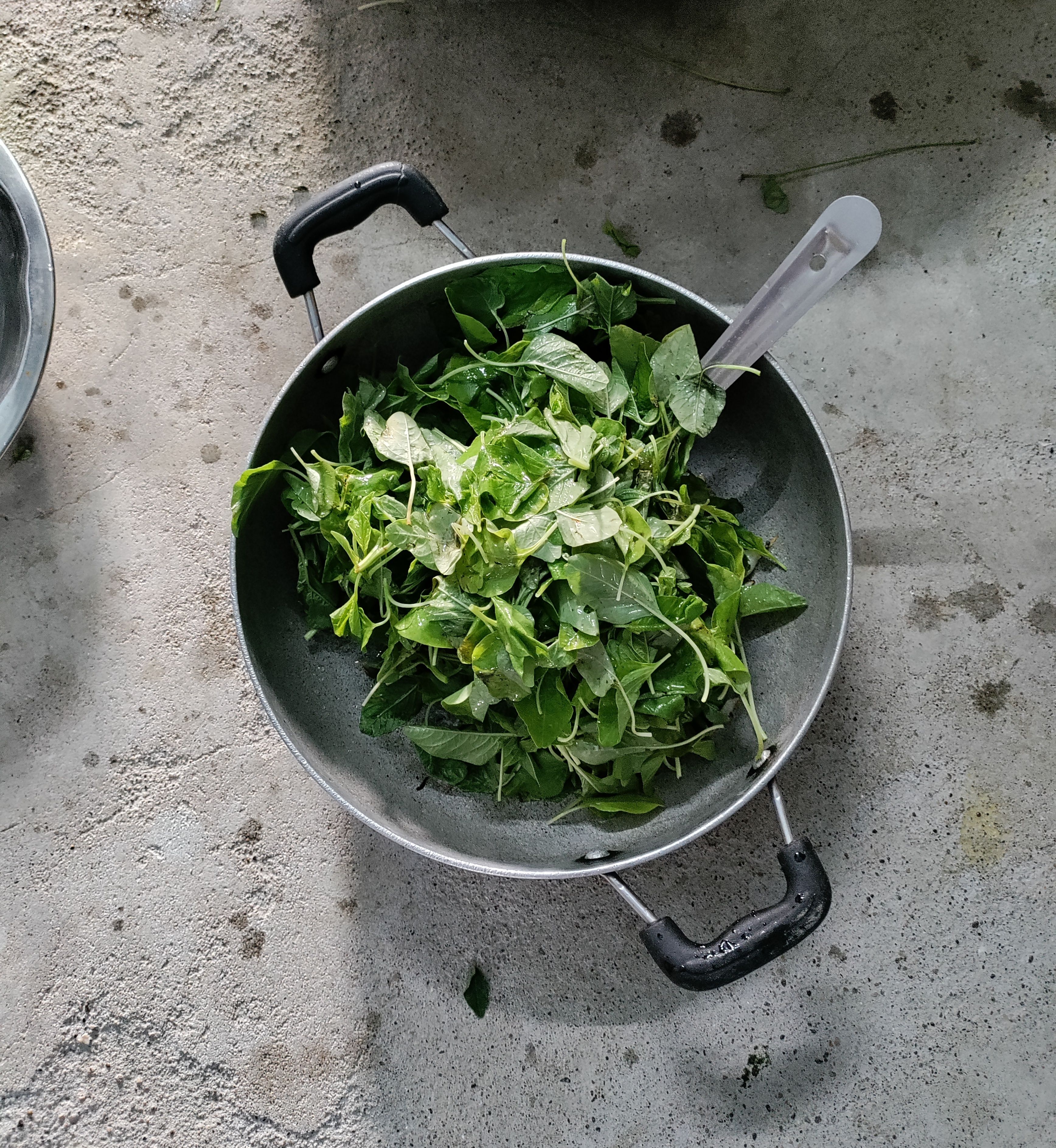
Jute leaves are a leafy green vegetable with approximately 2-3g net carbs per 100g. Low-carb, nutrient-dense vegetable suitable for keto.
Jute leaves (also called molokhia) are edible plant leaves with no animal products or derivatives. Nutritious leafy green vegetable.
Jute leaves (molokhia) are leafy greens rich in vitamins, minerals, and fiber. They're unprocessed, nutrient-dense vegetables available to hunter-gatherers. Fully compliant with paleo principles.
Jute leaves (molokhia) are a leafy green vegetable rich in vitamins, minerals, and fiber. Leafy greens are Mediterranean diet staples, eaten multiple times daily. Nutrient-dense and low-calorie.
Jute leaves are plant greens used as a vegetable. Plant-derived and explicitly excluded from carnivore diet.
Jute leaves (also called molokhia) are a leafy green vegetable with no excluded ingredients. They are a whole, unprocessed plant food compliant with Whole30.
Jute leaves (Corchorus olitorius) are a leafy green vegetable with limited Monash testing. Leafy greens are generally low-FODMAP, but specific FODMAP content of jute leaves is not well-documented. Moderate portion (1 cup cooked) may be safe, but larger servings warrant caution.
Monash University has not published specific FODMAP data for jute leaves. Assessment based on typical leafy green vegetable profiles and assumption of low fructan content, but clinical evidence is limited. Practitioners may advise caution or suggest trial during reintroduction phase.
Jute leaves (molokhia) are a leafy green vegetable low in sodium, high in fiber, potassium, magnesium, and vitamins A/C. DASH emphasizes vegetables (4-5 servings/day). Limited NIH DASH-specific data on this traditional food, but ingredient profile strongly aligns with DASH principles.
Traditional preparations may include added salt or oil; sodium content depends on cooking method. Some DASH practitioners may require verified sodium data for full approval.
Jute leaves (molokhia) are a low-carbohydrate, nutrient-dense vegetable with minimal caloric impact. They are rich in vitamins, minerals, and polyphenols. Function as a favorable low-glycemic vegetable in Zone protocol and can be used liberally as a vegetable component without disrupting macronutrient ratios. Align with Zone preference for colorful, nutrient-dense vegetables.
Jute leaves (also called molokhia) are a nutrient-dense leafy green vegetable rich in antioxidants, polyphenols, vitamins A and C, and fiber. They are low in calories and contain compounds that support anti-inflammatory pathways. The green color indicates high phytochemical content.
Low-calorie leafy green (33 cal per 100g) with high fiber (1.6g per 100g), some protein (3g per 100g), high water content, and nutrient-dense (calcium, iron, vitamins). Easy to digest, supports hydration and digestion. Excellent GLP-1 companion food.
Nutritional profile
Six traits that cut across every diet.
Fiber & Plants
How much whole-plant food and fiber it delivers.
Healthy Fats
The quality of its fats (unsaturated, omega-3).
Whole / Unprocessed
How close it is to its natural, unprocessed form.
Gut Gentle
How easy it is on digestion (low FODMAP, few irritants).
Low Glycemic
How little it spikes your blood sugar.
Protein Density
How much protein it packs per calorie.
Controversy Index
Score range: 1–9/10. Higher controversy = more disagreement between diets.
Diet-Specific Tips for Jute leaves
 Keto — 8/10
- 2-3g net carbs per 100g
- Leafy green vegetable
- Micronutrient-rich
- Minimal impact on carb budget
 Vegan — 9/10
- Plant leaves
- 100% plant-based
- Whole food
- Nutrient-dense
 Paleo — 8/10
- Leafy green vegetable
- High in vitamins and minerals
- Unprocessed
- Nutrient-dense
 Mediterranean — 8/10
- leafy green vegetable
- nutrient-dense
- high fiber
- multiple daily servings encouraged
 Whole30 — 9/10
- Vegetable (explicitly allowed)
- Whole, unprocessed
- No additives
 Low-FODMAP — 5/10
- Leafy green with limited FODMAP testing
- Likely low-FODMAP based on vegetable category
- Specific serving size guidance unavailable
- Regional ingredient with sparse research
 DASH — 8/10
- Low sodium (if unsalted)
- High fiber content
- Rich in potassium and magnesium
- Good source of vitamins A and C
- Minimal processing
 Zone — 8/10
- Very low glycemic index
- Nutrient-dense (vitamins, minerals)
- Anti-inflammatory polyphenols
- Ideal as vegetable component
 Anti-Inflammatory — 8/10
- High in antioxidants and polyphenols
- Rich in vitamins A and C
- Excellent fiber source
- Low calorie density
- Supports detoxification
 GLP-1 Friendly — 8/10
- very low calorie
- high fiber
- moderate protein
- high water content
- nutrient-dense
- easy to digest
- supports hydration