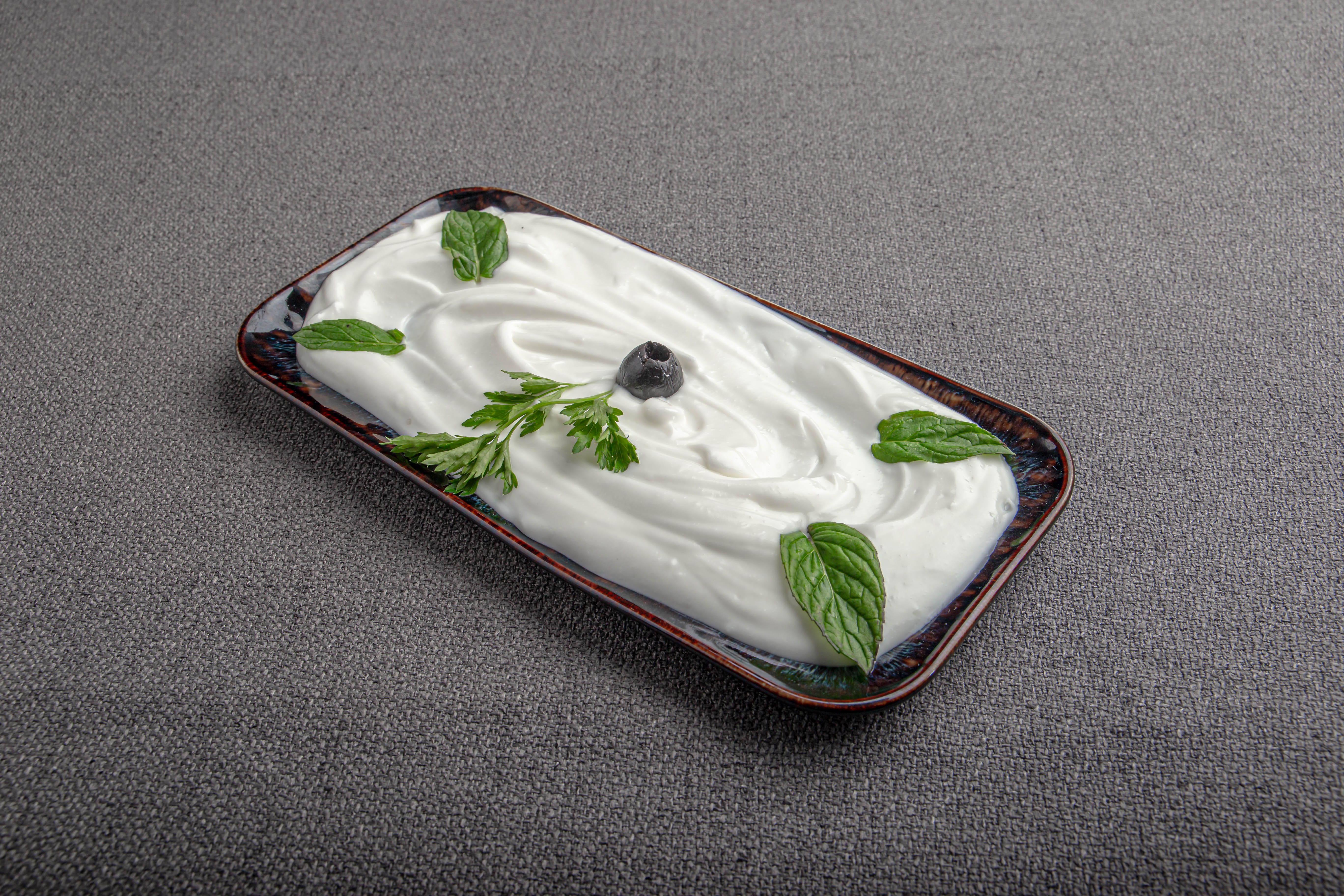
The diets react (see scores below)
Diet Ratings
Kashk is a strained yogurt product with variable carb content (2-5g per serving depending on brand and processing). Plain, unsweetened varieties are acceptable with portion control.
Strict keto practitioners avoid kashk due to lactose content and potential insulin response, while mainstream keto allows small portions of full-fat, unsweetened varieties.
Kashk is a dairy product made from whey, a byproduct of cheese production. Whey is explicitly listed as an animal-derived ingredient excluded from vegan diets.
Kashk is a dairy byproduct made from whey, a legume (chickpea or lentil) base, or fermented dairy. It contains dairy components and often legumes. Excluded from paleo diet on both counts.
Kashk is a fermented dairy product (whey-based) used as a condiment. Dairy in moderation is acceptable; fermented forms may offer probiotic benefits. However, it is calorie and sodium-dense, requiring portion control.
Some Mediterranean diet interpretations, particularly those including Middle Eastern and Persian traditions, view fermented dairy products like kashk as acceptable flavor enhancers used in small amounts, while stricter modern guidelines recommend minimizing all concentrated dairy products.
Kashk is a strained dairy product (whey-based) from Middle East. Animal-derived but dairy—subject to lactose and casein concerns. Lower lactose than milk but still contains dairy proteins.
Strict carnivore practitioners exclude kashk as a dairy product with potential inflammatory properties. Some practitioners may tolerate it better than milk due to lower lactose, but 'meat only' adherents avoid all dairy.
Kashk is a dairy product made from whey, similar to yogurt. Dairy products including whey-based products are explicitly excluded on Whole30.
Kashk is a fermented whey product (Persian/Middle Eastern) with reduced lactose due to fermentation and whey processing. However, residual lactose may remain. Small amounts (1-2 tablespoons) may be tolerated; larger servings should be avoided during elimination phase.
Monash has not published specific FODMAP data for kashk. Assessment based on whey fermentation reducing but not eliminating lactose, and typical FODMAP practitioner caution with fermented dairy during elimination. Some sources suggest kashk is lower-FODMAP than fresh dairy, but clinical consensus is limited.
Kashk is a concentrated whey product, high in sodium and protein but also high in saturated fat. Sodium content typically 300-500mg per tbsp (high for DASH). While protein-rich, the sodium and fat profile require strict portion control. Low-sodium versions would score higher.
Some DASH practitioners may rate kashk lower due to sodium concerns, especially for low-sodium DASH (<1,500mg/day). Others may accept small portions as a flavoring agent rather than primary dairy source.
Kashk is a concentrated whey product that is high in protein but also contains lactose and some saturated fat. It can provide protein blocks in Zone meals but requires careful portioning. The lactose content means it is not a pure protein source, and the saturated fat profile is less ideal than lean protein alternatives. Usable in small amounts as a flavoring or protein component.
Some Zone practitioners may accept kashk as a protein source given its high protein density, though the lactose and saturated fat content make it less optimal than standard lean protein recommendations.
Kashk is a concentrated whey product, typically high in sodium and containing some lactose. While it provides protein, the high sodium content and processing make it less ideal for an anti-inflammatory diet. It lacks the polyphenols and antioxidants of anti-inflammatory foods.
Some traditional nutrition systems value kashk for its probiotic potential if fermented, while anti-inflammatory guidelines focus on the high sodium and processed nature, recommending whole food sources of protein instead.
Kashk (whey product) provides protein (10g per 2 tbsp) and probiotics, but moderate fat (3g per 2 tbsp) and lactose. Acceptable as condiment/flavoring in small amounts. Some GLP-1 RDs view probiotics as beneficial for GI health; others caution lactose sensitivity during medication adjustment.
Some RDs recommend kashk for probiotic content supporting gut health during GLP-1 use, while others recommend limiting it due to lactose content and potential to worsen bloating in sensitive patients.
Nutritional profile
Six traits that cut across every diet.
Fiber & Plants
How much whole-plant food and fiber it delivers.
Healthy Fats
The quality of its fats (unsaturated, omega-3).
Whole / Unprocessed
How close it is to its natural, unprocessed form.
Gut Gentle
How easy it is on digestion (low FODMAP, few irritants).
Low Glycemic
How little it spikes your blood sugar.
Protein Density
How much protein it packs per calorie.
Controversy Index
Score range: 1–6/10. Higher controversy = more disagreement between diets.
Diet-Specific Tips for Kashk
 Keto — 6/10
- 2-5g net carbs per serving
- Lactose content variable
- Brand-dependent carb levels
- Portion control essential
 Mediterranean — 5/10
- fermented dairy
- condiment use
- sodium content
- portion control essential
- probiotic potential
 Carnivore — 5/10
- animal-derived dairy
- whey-based product
- contains casein and lactose
- fermented/strained reduces some compounds
 Low-FODMAP — 4/10
- Fermented whey product with reduced lactose
- Residual lactose likely present
- Limited specific Monash testing
- Portion control essential
 DASH — 4/10
- High sodium content
- Good source of protein
- Moderate saturated fat
- Concentrated product (small portions)
- Requires portion control
 Zone — 5/10
- High protein content
- Contains lactose (carbohydrate impact)
- Moderate saturated fat
- Requires careful portioning
 Anti-Inflammatory — 4/10
- High sodium content
- Processed dairy product
- Contains lactose
- Provides protein
- Minimal antioxidants
 GLP-1 Friendly — 5/10
- moderate protein
- moderate fat
- lactose present
- probiotic content
- condiment-level portions
- potential lactose sensitivity