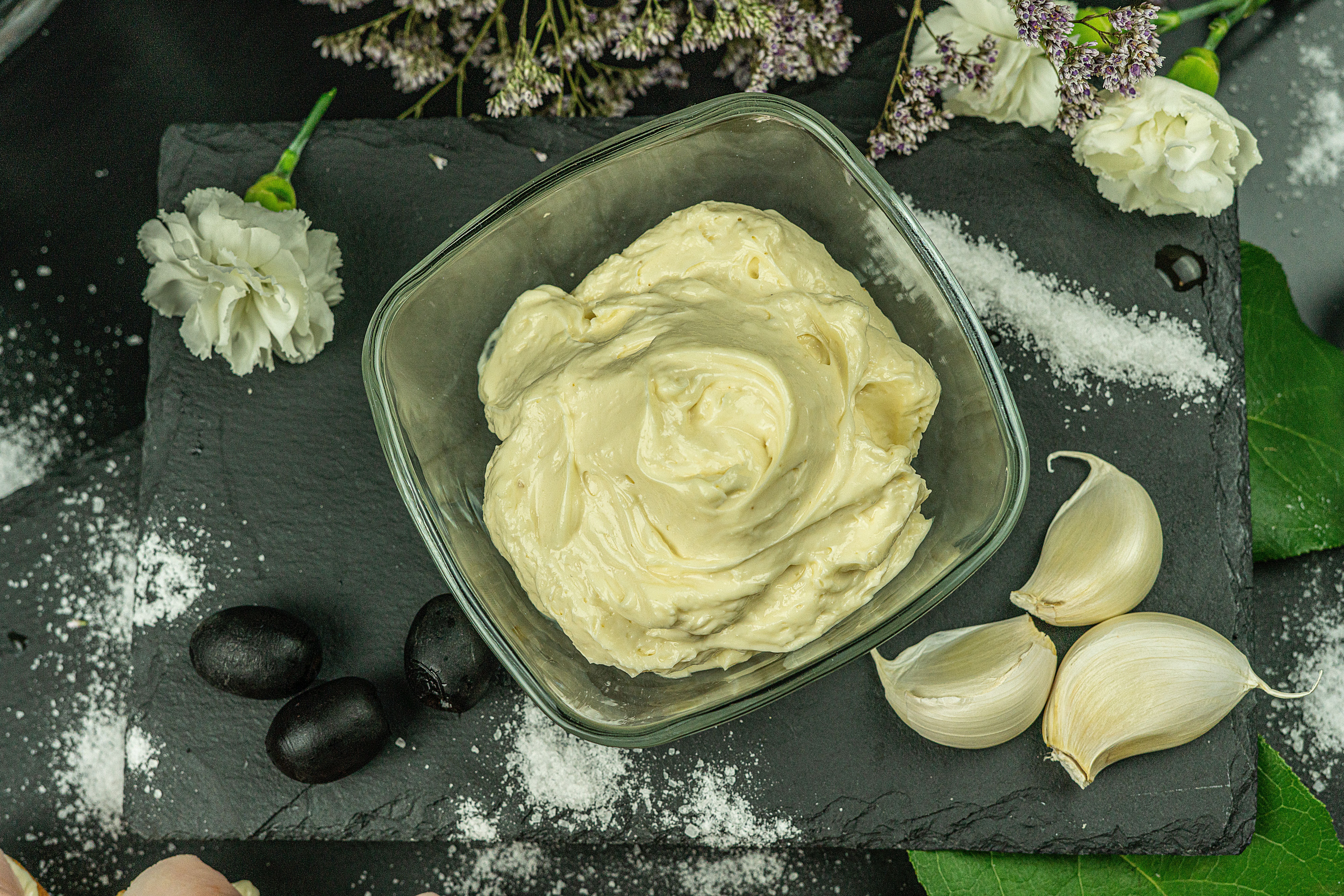
The diets react (see scores below)
Diet Ratings
Light mayonnaise contains ~0.1g net carbs per tablespoon but only 5-7g fat (vs 10-11g in regular mayo). Keto-compatible but less efficient for fat macros. Standard keto prefers full-fat mayo.
Some keto practitioners use light mayo to reduce calorie intake while maintaining ketosis, viewing the slightly lower fat as acceptable within a broader macro strategy.
Light mayonnaise is made with eggs as a primary emulsifying ingredient. Reduced-fat versions still contain eggs, an animal product explicitly excluded by vegan diet rules.
Traditional mayonnaise uses eggs and oil (compliant), but 'light' versions reduce fat through additives, fillers, or seed oils. Standard mayo with olive oil or avocado oil is acceptable; light versions often contain problematic ingredients.
Some paleo practitioners accept light mayo if made with compliant oils and minimal additives. However, mainstream paleo prefers full-fat mayo made with olive or avocado oil to avoid processing and seed oils.
Mayonnaise is a highly processed condiment with refined oils and additives. Light versions still contain processed ingredients and do not align with Mediterranean principles emphasizing whole foods and extra virgin olive oil as the primary fat.
Light mayonnaise typically contains seed oils (soybean, canola), added water, and fillers to reduce fat. Even full-fat mayonnaise is problematic due to seed oil content. Light versions are doubly problematic with reduced fat and plant-based oils.
Light mayonnaise is technically compliant if it contains only eggs, oil, and compliant seasonings with no added sugar or excluded ingredients. However, most commercial light mayonnaise versions contain added sugar, modified food starch, or other additives. Requires careful label-reading for a truly compliant version.
Official Whole30 guidance emphasizes whole foods and discourages relying on processed condiments even when technically compliant versions exist. Some practitioners argue that daily mayo consumption contradicts the program's whole-food philosophy, though compliant versions are technically allowed.
Light mayonnaise is primarily oil, egg, and vinegar with minimal carbohydrates. It contains no significant FODMAPs regardless of fat content. The 'light' version uses less oil but maintains the same FODMAP-free profile. Safe at any reasonable serving size during elimination phase.
Light mayonnaise reduces fat by ~50% vs. regular (5g vs. 11g per tbsp) but still contains significant fat and sodium. DASH prefers olive oil-based dressings. Use sparingly; not a primary fat source.
Light mayonnaise is primarily a fat source with reduced fat vs. regular mayo (~5g fat per tbsp vs. ~11g). However, it typically contains soybean oil (omega-6 heavy) rather than monounsaturated fats. While usable in small quantities (1 tbsp) as a fat component, olive oil or avocado-based alternatives are strongly preferred in Zone for anti-inflammatory benefits.
Light mayonnaise is reduced in fat and calories compared to regular mayonnaise, but it is typically made with seed oils (soybean, canola, or sunflower oil) high in omega-6 polyunsaturated fats. The anti-inflammatory framework discourages regular use of seed oils due to their high omega-6 content and oxidation potential. Light mayonnaise also often contains additives and emulsifiers. It is acceptable occasionally but should not be a staple condiment.
Mainstream nutrition science and the AHA consider canola and soybean oil acceptable and even heart-healthy; however, anti-inflammatory practitioners and some researchers argue that refined seed oils are pro-inflammatory due to high omega-6 content and oxidative damage during processing. Cold-pressed versions are sometimes considered preferable.
Light mayonnaise still contains 5g fat per tablespoon (vs. 11g in regular). High fat density makes it a poor fit for GLP-1 patients. Minimal protein (0g). Used as a condiment, it adds fat burden without nutritional benefit. Mustard, hot sauce (mild), or Greek yogurt-based spreads are superior alternatives.
Controversy Index
Score range: 1–9/10. Higher controversy = more disagreement between diets.
Diet-Specific Tips for Light mayonnaise
 Keto — 6/10
- 0.1g net carbs per tablespoon
- 5-7g fat per tablespoon (reduced)
- Zero sugar
- Calorie-reduced vs full-fat
 Paleo — 5/10
- Eggs are paleo
- Oil type critical
- Light versions often use seed oils
- Additives and fillers common in light versions
 Whole30 — 4/10
- Label-dependent compliance
- Most commercial versions contain added sugar or starches
- Compliant versions exist but are less common
- Processed condiment
 Low-FODMAP — 9/10
- Oil-based condiment with negligible carbohydrates
- No fermentable ingredients
- Safe at any portion
 DASH — 6/10
- Reduced fat vs. regular
- Still moderate fat content
- Sodium present
- Use in moderation
- Olive oil alternatives preferred
 Zone — 5/10
- Omega-6 seed oil base (not preferred)
- Reduced fat vs. regular mayo
- Minimal protein contribution
- Monounsaturated alternatives preferred
 Anti-Inflammatory — 4/10
- seed oil base (omega-6)
- reduced fat vs. regular
- processed food
- additives and emulsifiers
 GLP-1 Friendly — 6/10
- High fat (5g per tablespoon)
- No protein
- Condiment-only use adds unnecessary fat
- Worsens nausea and bloating
- Better alternatives available