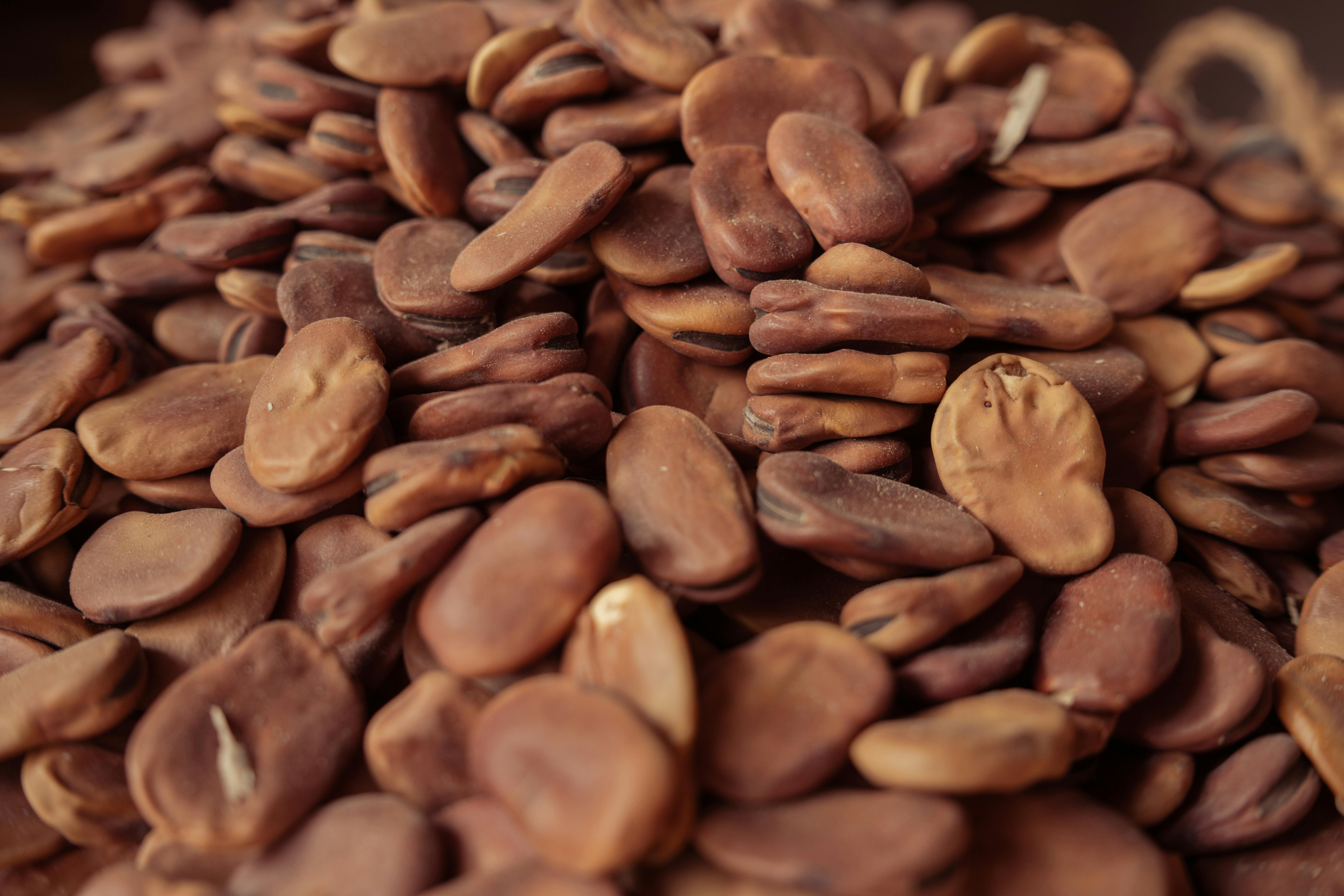
The diets react (see scores below)
Diet Ratings
Locust beans (carob) contain ~40g net carbs per 100g. High carbohydrate content makes them incompatible with ketogenic diet. Often used as chocolate substitute but still too high in carbs.
Locust beans (carob pods) are legumes from the Ceratonia siliqua tree. They are whole plant foods with no animal products. Locust bean gum (carob gum) is a plant-derived thickener.
Locust beans (carob pods) are legumes and explicitly excluded from paleo diet. While sometimes used as a chocolate substitute, they are still legume-derived and contain anti-nutrients.
Locust beans (carob pods) are whole legumes, high in fiber and minerals, naturally sweet without added sugars. Carob has been used in Mediterranean regions for centuries as a nutritious food and chocolate substitute.
Locust beans (carob) are plant-derived legume pods. All legumes and plant foods are excluded from carnivore diet.
Locust beans (carob beans) are legumes and fall under the excluded legume category. Despite carob being used as a chocolate substitute, the beans themselves are not explicitly excepted like green beans or sugar snap peas.
Locust beans (carob pods) are legumes and contain significant GOS (galacto-oligosaccharides), a FODMAP category. Even in small quantities, they trigger fermentation in sensitive individuals. Monash University rates legumes as high-FODMAP during the elimination phase.
Locust beans (carob pods) are legumes rich in fiber, potassium, and magnesium. Low in sodium and fat. Align with DASH emphasis on legumes and plant-based proteins. Often used as a chocolate substitute, naturally sweet without added sugars.
Locust beans (carob) are moderate-glycemic and contain some fiber. They can fit into Zone carb blocks but are denser in carbohydrates than preferred low-GI vegetables. Useful as a chocolate substitute but requires careful portioning.
Some Zone practitioners treat carob as an acceptable occasional sweetener alternative, while others view it as higher-glycemic than ideal for frequent use.
Locust beans (carob pods) are legumes rich in fiber, polyphenols, and minerals. Low glycemic index, no caffeine, and contain tannins with antioxidant properties. Align with anti-inflammatory emphasis on whole legumes and plant-based foods. Often used as chocolate substitute, avoiding refined sugar.
Locust beans (carob) are high in fiber, low in fat, and provide sustained satiety. Nutrient-dense per calorie with natural sweetness that reduces cravings without added sugar. Easy to digest and portion-friendly. Excellent GLP-1 companion food.
Nutritional profile
Six traits that cut across every diet.
Fiber & Plants
How much whole-plant food and fiber it delivers.
Healthy Fats
The quality of its fats (unsaturated, omega-3).
Whole / Unprocessed
How close it is to its natural, unprocessed form.
Gut Gentle
How easy it is on digestion (low FODMAP, few irritants).
Low Glycemic
How little it spikes your blood sugar.
Protein Density
How much protein it packs per calorie.
Controversy Index
Score range: 1–9/10. Higher controversy = more disagreement between diets.
Diet-Specific Tips for Locust beans
 Vegan — 9/10
- Whole plant food
- No animal ingredients
- Plant-derived gum
 Mediterranean — 8/10
- legume/whole food
- high fiber
- traditional Mediterranean use
- no added sugars
 DASH — 8/10
- High fiber
- Rich in potassium and magnesium
- Low sodium
- Legume-based
- Natural sweetness
 Zone — 6/10
- Moderate glycemic index
- Fiber content reduces net carbs
- Denser carbohydrate profile
- Useful as processed food alternative
 Anti-Inflammatory — 7/10
- High fiber content
- Polyphenol-rich
- Low glycemic index
- Mineral-dense
- Whole food legume
 GLP-1 Friendly — 8/10
- high fiber
- low fat
- low calorie density
- natural sweetness without sugar
- easy to digest
- portion-friendly