The diets react (see scores below)
Diet Ratings
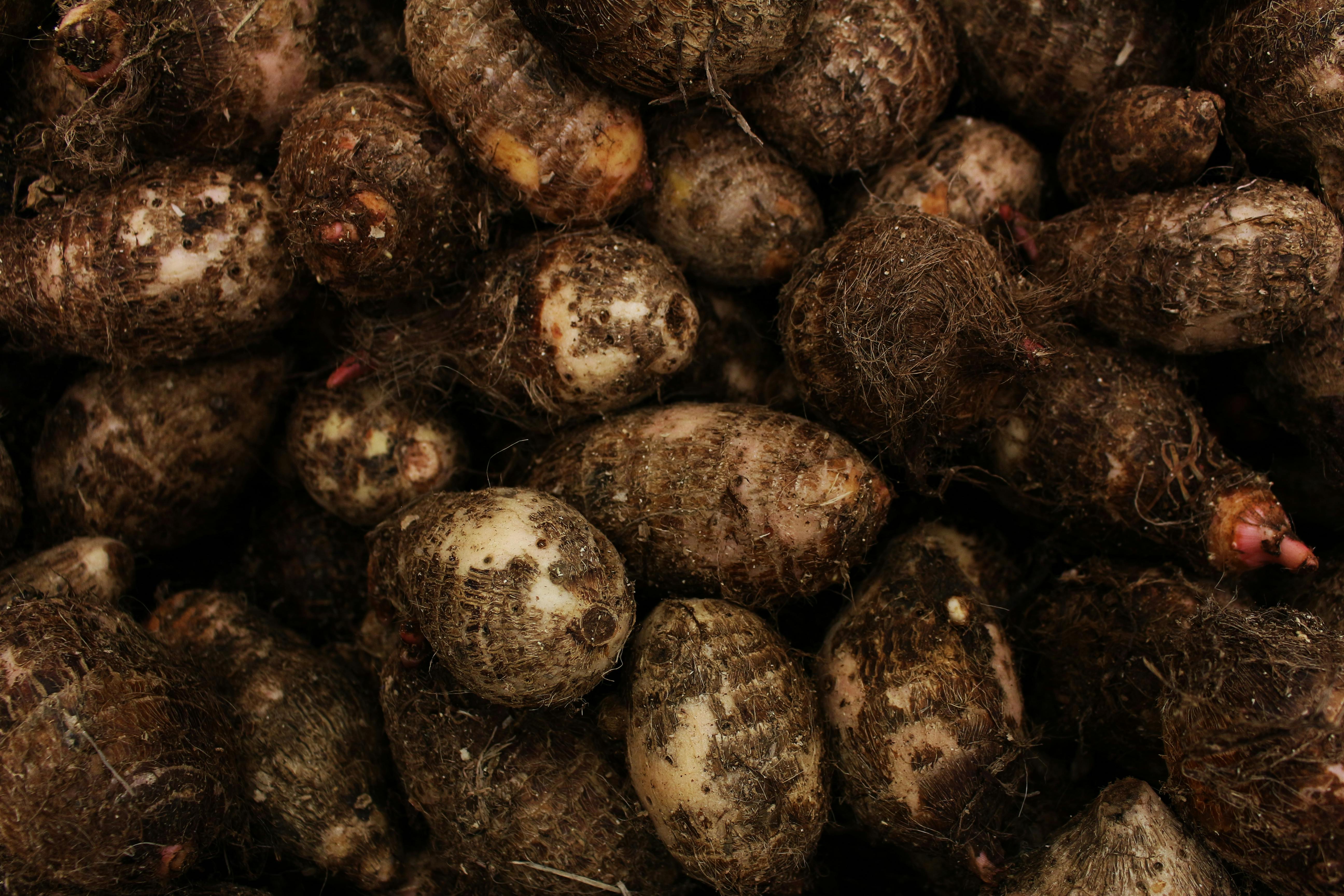
Malanga is a starchy root vegetable with ~20g net carbs per 100g. High carbohydrate content similar to potatoes makes it fundamentally incompatible with ketosis.
Malanga is a starchy root vegetable with no animal products or derivatives. It is a whole plant food fully compliant with vegan diet.
Malanga is a starchy tuber similar to taro, available to ancestral populations. It is nutrient-dense and paleo-compliant as tubers are generally allowed.
Malanga is a starchy root vegetable similar to taro or potato. Whole, plant-based, minimally processed. Can be prepared simply with olive oil. Fits Mediterranean vegetable consumption patterns.
Malanga is not traditionally Mediterranean and originates from tropical regions. Some interpretations prioritize regional Mediterranean vegetables (potatoes, beets, turnips), though modern Mediterranean diet is flexible with compatible whole vegetables.
Malanga is a starchy root vegetable (plant tuber). All vegetables are excluded from carnivore diet.
Malanga is a starchy root vegetable similar to taro or yam. It is a whole, unprocessed vegetable with no excluded ingredients and is compatible with Whole30.
Malanga (taro-like root vegetable) is low in FODMAPs. It is primarily starch with minimal fructose, fructans, GOS, lactose, or polyols. Monash University testing confirms low-FODMAP status at standard cooked servings (approximately 150g). Safe during elimination phase.
Malanga is a starchy root vegetable rich in fiber, potassium, and magnesium. Low in sodium and fat. Fits DASH vegetable category and provides complex carbohydrates. Similar nutritional profile to potatoes but with slightly higher fiber content.
Malanga is a starchy root vegetable with high glycemic index and high carbohydrate density (similar to potatoes). It causes rapid blood sugar spikes and is explicitly avoided in Zone Diet as an unfavorable carb source.
Malanga is a starchy root vegetable with moderate micronutrient content (potassium, manganese, some B vitamins) but high carbohydrate load and lower antioxidant density than colorful vegetables emphasized in anti-inflammatory diet. Not inherently inflammatory but less optimal than leafy greens or cruciferous vegetables.
Some anti-inflammatory practitioners accept all whole root vegetables as acceptable carbohydrate sources, particularly for those with higher activity levels. The anti-inflammatory framework is less restrictive about starch than paleo or keto approaches.
Malanga is a starchy root vegetable with moderate carbohydrate content and minimal protein. Provides fiber and micronutrients but requires larger portions for satiety compared to protein-rich alternatives. Not inherently problematic but less ideal than protein-prioritized foods for GLP-1 patients.
Some RDs view malanga favorably as a nutrient-dense carbohydrate source with resistant starch properties that support satiety and gut health, especially when cooked and cooled. Individual tolerance to starches varies on GLP-1.
Nutritional profile
Six traits that cut across every diet.
Fiber & Plants
How much whole-plant food and fiber it delivers.
Healthy Fats
The quality of its fats (unsaturated, omega-3).
Whole / Unprocessed
How close it is to its natural, unprocessed form.
Gut Gentle
How easy it is on digestion (low FODMAP, few irritants).
Low Glycemic
How little it spikes your blood sugar.
Protein Density
How much protein it packs per calorie.
Controversy Index
Score range: 1–9/10. Higher controversy = more disagreement between diets.
Diet-Specific Tips for Malanga
 Vegan — 9/10
- Whole plant food
- No animal ingredients
- Minimal processing
 Paleo — 8/10
- Tuber classification
- Ancestral food source
- Nutrient-dense
- Low anti-nutrient content when cooked
 Mediterranean — 7/10
- whole vegetable
- starchy carbohydrate
- minimal processing
- not traditional Mediterranean
 Whole30 — 9/10
- Root vegetable
- Whole, unprocessed
- No excluded ingredients
 Low-FODMAP — 8/10
- Starch-based root vegetable
- Low fructose and fructan content
- Monash-tested at standard servings
 DASH — 7/10
- High fiber
- Rich in potassium
- Low sodium
- Complex carbohydrates
- Starchy vegetable
 Anti-Inflammatory — 5/10
- High starch content
- Moderate micronutrient profile
- Lower antioxidant density than emphasized vegetables
- Whole food source
 GLP-1 Friendly — 5/10
- moderate carbohydrate
- minimal protein
- moderate fiber
- requires larger portions for satiety
- micronutrient-rich