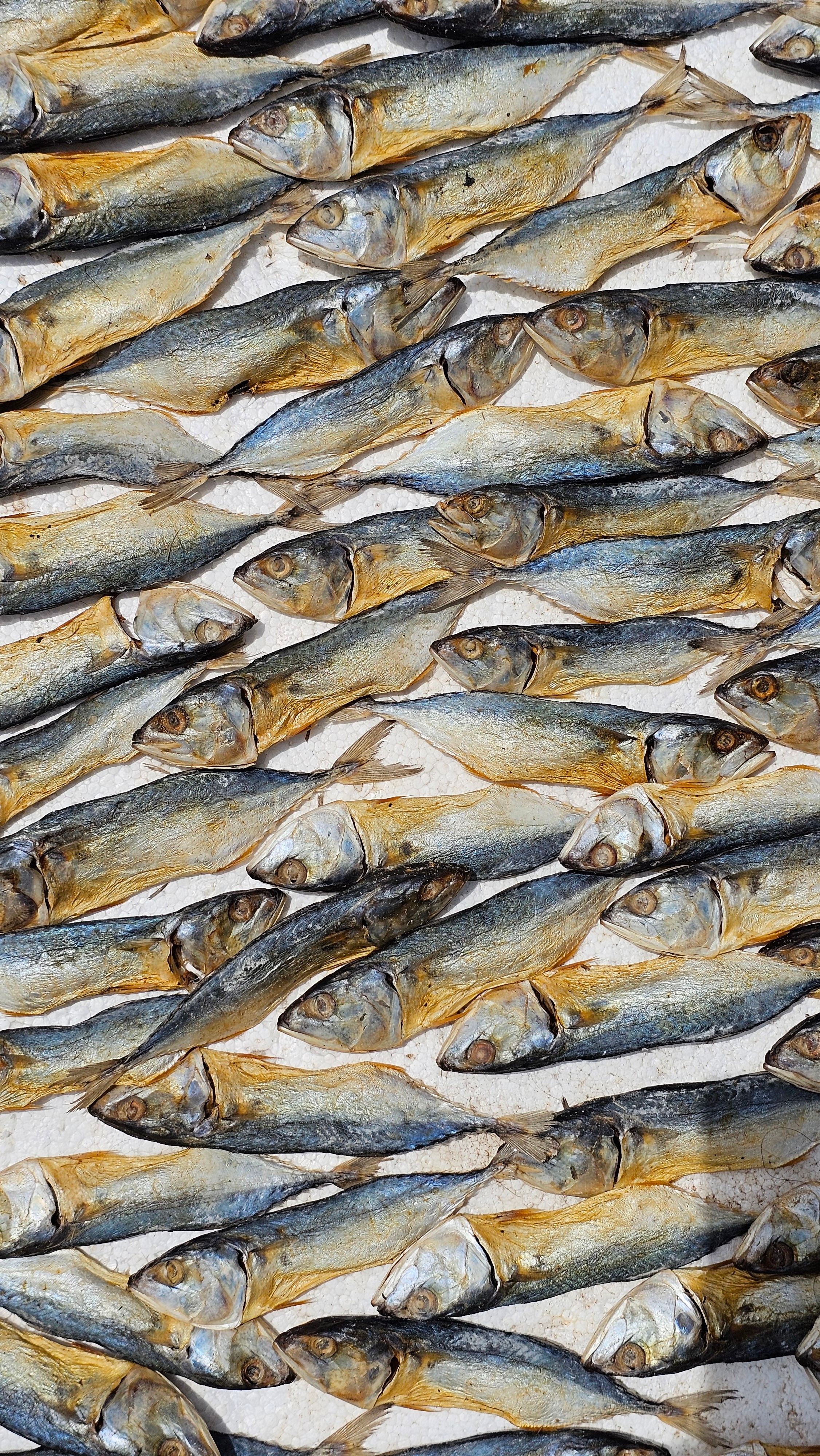
The diets react (see scores below)
Diet Ratings
Maldive fish (dried skipjack tuna) is pure protein with minimal carbs (~0g net carbs). High in omega-3 fatty acids and micronutrients. Excellent keto-compatible protein source.
Maldive fish is a dried fish product, a direct animal product. It is explicitly excluded from vegan diet.
Maldive fish is dried, salted skipjack tuna. As an unprocessed fish product, it is paleo-compliant. Salt content is the only minor consideration, but traditional preservation method is acceptable.
Maldive fish is dried, salted fish—a processed form of seafood. While fish is encouraged 2-3 times weekly, the heavy salt content and processing level are concerns. Use sparingly as a flavoring agent rather than a primary protein.
Traditional Mediterranean cuisines include salt-cured fish (anchovies, salt cod) as pantry staples and flavor enhancers. In this context, Maldive fish as a condiment aligns with Mediterranean practice, though modern guidelines emphasize fresh fish.
Maldive fish (dried skipjack tuna) is a minimally processed animal product. Fish and seafood are core carnivore foods. Dried form concentrates nutrients and is shelf-stable.
Maldive fish (dried skipjack tuna) is a whole seafood product with no added ingredients or excluded substances. It is a compliant protein source on Whole30.
Maldive fish (dried, salted fish product) is a protein source with negligible carbohydrate content. Contains no fructose, fructans, GOS, lactose, or polyols. Protein and fat do not trigger FODMAP-related fermentation. Safe at any reasonable serving during elimination phase.
Maldive fish (dried, salted fish) is a processed fish product typically very high in sodium due to salt curing. While fish is a DASH-approved protein, the sodium content in this preparation form is problematic. Fresh or low-sodium fish preparations are preferred under DASH guidelines.
Some traditional cuisine practitioners argue that small amounts of Maldive fish add significant umami flavor, allowing reduction of added salt in overall dish preparation, though NIH DASH guidelines still recommend limiting processed/cured fish products.
Maldive fish (dried skipjack tuna) is an excellent lean protein source with minimal fat and carbohydrates. High in omega-3 fatty acids and fits perfectly into Zone protein blocks. Approximately 1 oz = 1 protein block.
Maldive fish (dried skipjack tuna) is a concentrated source of omega-3 fatty acids (EPA and DHA), high-quality protein, and selenium. Dried fish retains anti-inflammatory omega-3 profile. Aligns with anti-inflammatory emphasis on fatty fish as primary protein source. Minimal processing preserves nutrient density.
Maldive fish (dried skipjack tuna) is extremely high in protein, low in fat, and shelf-stable. Excellent nutrient density per calorie. Portion-friendly—small amounts provide significant protein. Supports muscle preservation during weight loss. Easy to incorporate into meals.
Nutritional profile
Six traits that cut across every diet.
Fiber & Plants
How much whole-plant food and fiber it delivers.
Healthy Fats
The quality of its fats (unsaturated, omega-3).
Whole / Unprocessed
How close it is to its natural, unprocessed form.
Gut Gentle
How easy it is on digestion (low FODMAP, few irritants).
Low Glycemic
How little it spikes your blood sugar.
Protein Density
How much protein it packs per calorie.
Controversy Index
Score range: 1–9/10. Higher controversy = more disagreement between diets.
Diet-Specific Tips for Maldive fish
 Keto — 8/10
- Zero net carbs
- High-quality protein
- Rich in omega-3 fatty acids
- Whole, unprocessed food
 Paleo — 9/10
- Fish-based protein
- Minimal processing
- Traditional preservation
- Omega-3 rich
 Mediterranean — 5/10
- processed/dried
- high sodium
- fish-based (positive)
- traditional preservation method
 Carnivore — 8/10
- animal-derived fish product
- minimally processed
- high protein content
- nutrient-dense
 Whole30 — 9/10
- Whole seafood
- Dried without additives
- Compliant protein
 Low-FODMAP — 9/10
- Protein-based food
- Minimal carbohydrates
- No FODMAP-triggering compounds
 DASH — 5/10
- Very high sodium (salt-cured)
- Processed form
- Fish-based protein
- Omega-3 fatty acids present but offset by sodium
 Zone — 9/10
- Lean protein source
- High omega-3 content
- Minimal carbohydrates
- Minimal saturated fat
- Ideal Zone protein building block
 Anti-Inflammatory — 8/10
- Omega-3 fatty acids (EPA/DHA)
- High-quality protein
- Selenium content
- Minimal processing
- Concentrated nutrient form
 GLP-1 Friendly — 9/10
- very high protein
- low fat
- high nutrient density
- portion-friendly
- shelf-stable
- easy to digest