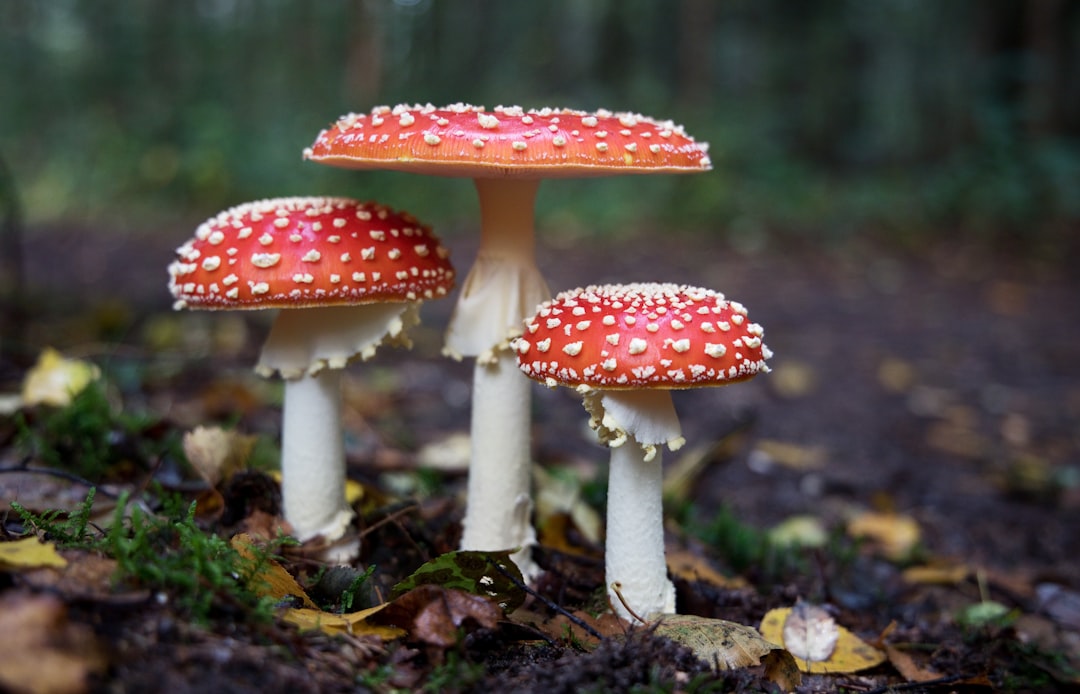
The diets react (see scores below)
Diet Ratings
Low net carbs (~1-2g per cup raw). High umami flavor supports satiety. Excellent for adding to keto meals. Most varieties are keto-friendly.
Whole plant food (fungus) with no animal products or derivatives. Excellent source of B vitamins and umami flavor.
Mushrooms are unprocessed fungi available to hunter-gatherers. They provide unique nutrients and are widely accepted in paleo diet. No grains, legumes, or problematic compounds.
Mushrooms are widely used in Mediterranean cooking, providing umami flavor, B vitamins, and antioxidants. Low calorie and support plant-based meal composition. Minimal processing when fresh.
Mushrooms are fungi, not animal products. While sometimes debated as lower-carb plant foods, strict carnivore excludes all non-animal foods. Some practitioners consume them, but this contradicts core carnivore principles.
Whole mushrooms are explicitly allowed vegetables on Whole30. No excluded ingredients.
Monash University testing shows mushrooms contain polyols (mannitol). Low-FODMAP at restricted portions (75g or about 1 cup raw), but high-FODMAP at larger servings.
DASH-approved vegetable. Low sodium, good source of potassium and B vitamins. Fresh mushrooms preferred over processed varieties. Supports overall cardiovascular health.
Excellent Zone choice. Very low carb (~2g net carbs per cup raw), unique anti-inflammatory compounds (beta-glucans, ergothioneine), and umami flavor supports satiety. Minimal macronutrient disruption.
Emphasized in anti-inflammatory pyramid (shiitake, maitake, oyster, enoki, lion's mane). Contain beta-glucans, polysaccharides, and ergothioneine with documented immunomodulatory and anti-inflammatory effects. Cooking enhances bioavailability.
Low calorie, high water content, moderate fiber, minimal fat, unique umami flavor supports satiety in small portions. Good micronutrient profile (B vitamins, selenium). Easy to digest when cooked.
Nutritional profile
Six traits that cut across every diet.
Fiber & Plants
How much whole-plant food and fiber it delivers.
Healthy Fats
The quality of its fats (unsaturated, omega-3).
Whole / Unprocessed
How close it is to its natural, unprocessed form.
Gut Gentle
How easy it is on digestion (low FODMAP, few irritants).
Low Glycemic
How little it spikes your blood sugar.
Protein Density
How much protein it packs per calorie.
Controversy Index
Score range: 2–9/10. Higher controversy = more disagreement between diets.
Diet-Specific Tips for Mushrooms
 Keto — 8/10
- 1-2g net carbs per cup raw
- High umami flavor
- Good for sautéing in butter/oil
- Minimal impact on ketosis
 Vegan — 9/10
- Whole plant food
- No animal products
- Good protein and B12 source
 Paleo — 8/10
- Unprocessed fungus
- Unique micronutrients
- Low carbohydrate
- No anti-nutrients
 Mediterranean — 8/10
- Umami flavor profile
- B vitamin content
- Supports plant-based meals
- Traditional Mediterranean preparation
 Whole30 — 9/10
- Whole vegetable
- Unprocessed
- Nutrient-dense
 Low-FODMAP — 5/10
- High polyol content (mannitol)
- Dose-dependent FODMAP status
- Monash tested with clear cutoff
 DASH — 8/10
- Low sodium
- Contains potassium
- B vitamin source
- Low calorie
- Umami flavor reduces salt cravings
 Zone — 8/10
- Very low carb density
- Anti-inflammatory compounds
- Umami flavor profile
- Supports satiety
 Anti-Inflammatory — 9/10
- beta-glucans
- ergothioneine
- polysaccharides
- immunomodulatory compounds
 GLP-1 Friendly — 8/10
- low calorie density
- high water content
- umami flavor aids satiety
- minimal fat
- moderate fiber