The diets react (see scores below)
Diet Ratings
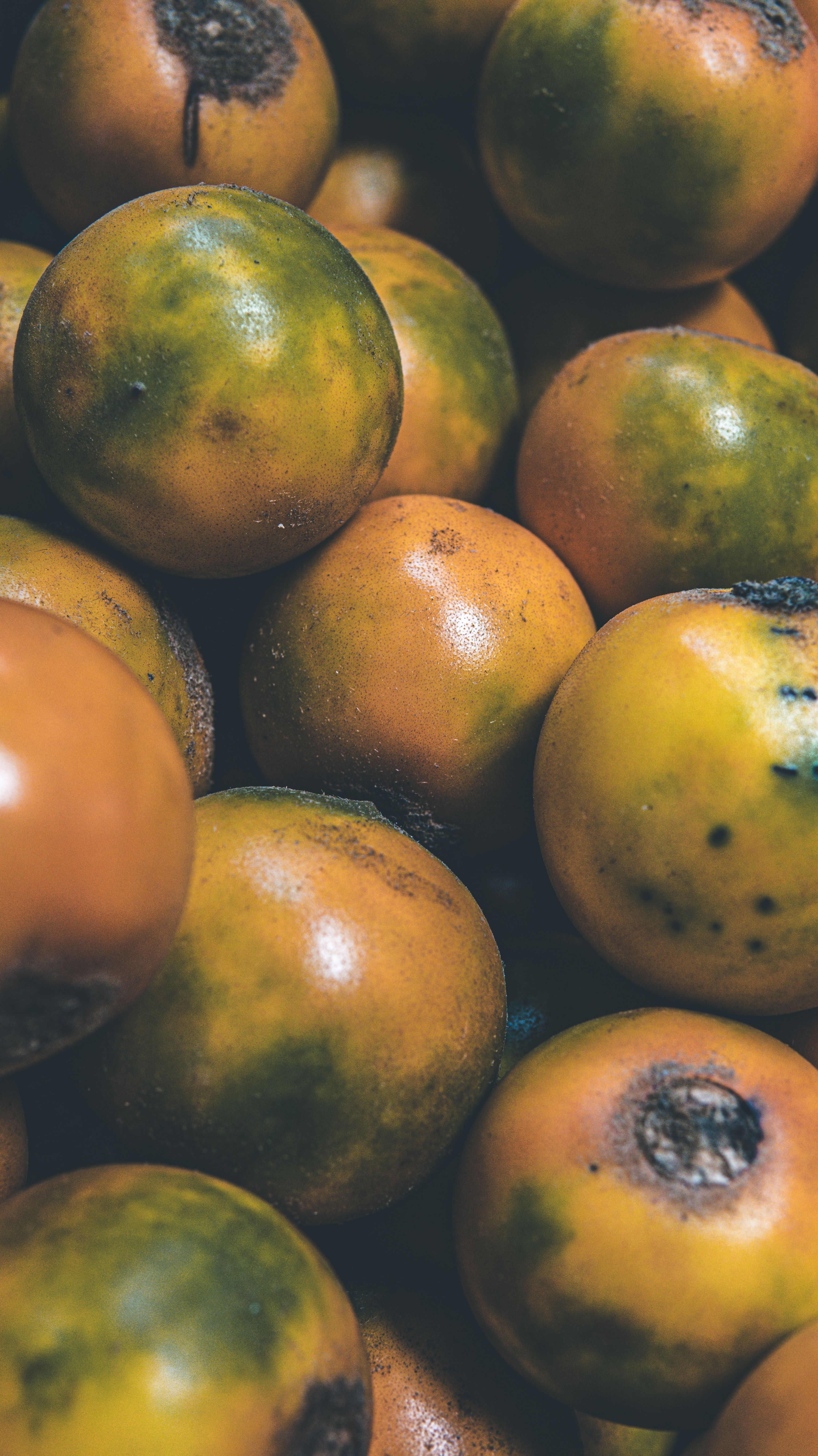
Naranjilla is a tropical fruit with ~8g net carbs per 100g. While lower than many fruits, it is still a fruit with sugar content incompatible with strict keto carb limits.
Naranjilla is a tropical fruit with no animal products or derivatives. It is a whole plant food fully compliant with vegan diet.
Naranjilla is a tropical fruit similar to passion fruit, available to ancestral populations in South America. It is nutrient-dense and unprocessed.
Naranjilla is a whole fruit, nutrient-dense, low in added sugars when fresh. High in vitamin C and fiber. Aligns with Mediterranean fruit consumption principles despite non-Mediterranean origin.
Naranjilla is not traditionally Mediterranean and originates from South America. Some interpretations prioritize Mediterranean and nearby regional fruits, though modern guidelines embrace compatible whole fruits globally.
Naranjilla is a plant fruit (Solanum quitoense). All fruits are excluded from carnivore diet as plant-derived foods.
Naranjilla is a whole fruit (also called lulo), and all fruits are explicitly Whole30 compatible per official guidelines. It contains no excluded ingredients in its whole form.
Naranjilla (Solanum quitoense, a tropical fruit) has limited Monash testing data. Compositional analysis suggests moderate fructose content relative to glucose, and potential polyol content is unclear. The fruit is not extensively studied in FODMAP literature. Caution is warranted during elimination phase due to insufficient data.
Monash University has not formally tested naranjilla; classification relies on compositional estimates and comparison to similar fruits. Some practitioners may recommend avoidance during strict elimination due to unknown FODMAP profile, while others may approve based on low fructose estimates. Serving size and individual tolerance are uncertain.
Naranjilla (lulo) is a tropical fruit rich in vitamin C, fiber, and potassium. Low in sodium and calories. Aligns with DASH fruit emphasis. Limited direct NIH DASH guidance on this specific fruit, but fits whole-fruit, plant-based food category with strong nutritional profile.
Some DASH practitioners may question tropical fruits due to sugar content and limited availability in standard DASH meal planning, though naranjilla's fiber and micronutrient density support DASH principles.
Naranjilla (lulo) is a tropical fruit with moderate glycemic index and moderate carbohydrate content. It can fit into Zone carb blocks but is not as favorable as berries. Approximately 1 medium fruit = 1 carb block.
Some Zone practitioners may classify naranjilla as less favorable than berries due to higher sugar content, while others accept it as a reasonable low-GI fruit option.
Naranjilla (lulo) is a tropical fruit high in vitamin C, polyphenols, and anthocyanins with antioxidant and anti-inflammatory properties. Low glycemic index, high fiber, and nutrient-dense. Aligns with anti-inflammatory emphasis on colorful fruits. Limited Western clinical research but consistent with established anti-inflammatory fruit principles.
While naranjilla shows promise based on phytochemical composition and traditional use, robust clinical evidence in Western populations is limited compared to extensively studied berries. Some practitioners may prefer fruits with more established anti-inflammatory research.
Naranjilla is a low-calorie, high-fiber tropical fruit with high water content and micronutrient density. Acidic nature may support digestion but could trigger reflux in sensitive individuals. Portion-friendly and nutrient-dense per calorie. Limited clinical data specific to GLP-1 patients.
Some RDs caution that acidic fruits may worsen reflux in GLP-1 patients, particularly on empty stomach or early in therapy. Others view naranjilla as a beneficial hydrating, fiber-rich option. Individual tolerance varies.
Nutritional profile
Six traits that cut across every diet.
Fiber & Plants
How much whole-plant food and fiber it delivers.
Healthy Fats
The quality of its fats (unsaturated, omega-3).
Whole / Unprocessed
How close it is to its natural, unprocessed form.
Gut Gentle
How easy it is on digestion (low FODMAP, few irritants).
Low Glycemic
How little it spikes your blood sugar.
Protein Density
How much protein it packs per calorie.
Controversy Index
Score range: 1–9/10. Higher controversy = more disagreement between diets.
Diet-Specific Tips for Naranjilla
 Vegan — 9/10
- Whole plant food
- No animal ingredients
- Nutrient-dense
 Paleo — 8/10
- Whole fruit
- Ancestral food source
- Nutrient-dense
- Moderate sugar content
 Mediterranean — 8/10
- whole fruit
- high vitamin C
- high fiber
- not traditional Mediterranean
 Whole30 — 9/10
- Whole fruit
- All fruits explicitly allowed
- No added sugar in plain form
 Low-FODMAP — 5/10
- Limited Monash testing
- Moderate fructose estimate
- Unclear polyol content
- Tropical fruit with variable ripeness
 DASH — 8/10
- High fiber
- Rich in potassium
- High vitamin C
- Low sodium
- Whole fruit
 Zone — 6/10
- Moderate glycemic index
- Moderate carbohydrate density
- Fiber content present
- Less favorable than berries
- Requires portioning
 Anti-Inflammatory — 8/10
- High vitamin C content
- Polyphenol-rich
- Anthocyanin present
- Low glycemic index
- Limited Western clinical data
 GLP-1 Friendly — 7/10
- low calorie
- high fiber
- high water content
- acidic (potential reflux trigger)
- nutrient-dense
- portion-friendly