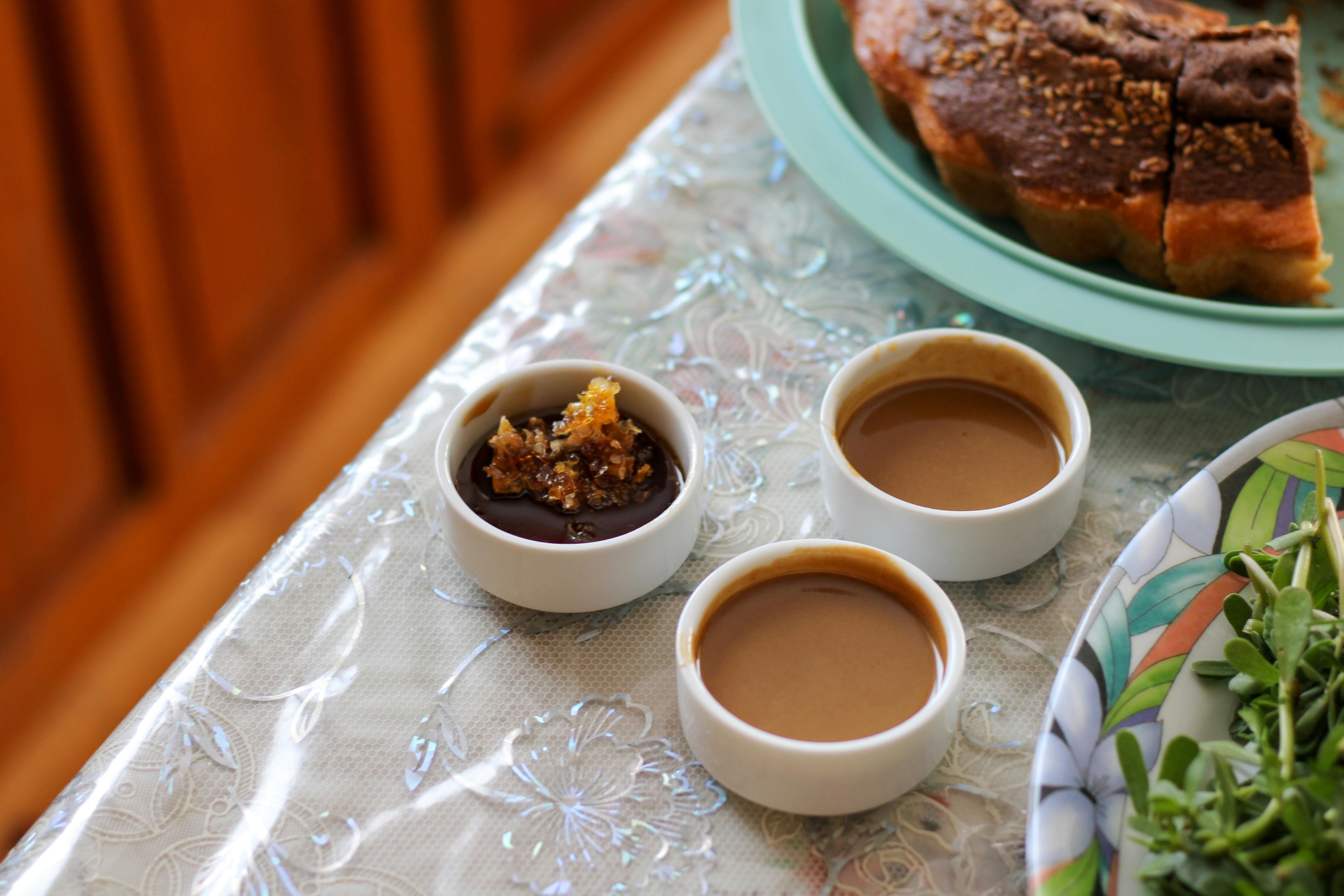
The diets react (see scores below)
Diet Ratings
Padaek is a fermented fish sauce with minimal carbs (~1-2g net carbs per 100g). High in protein and umami flavor. Whole, unprocessed fermented food compatible with keto.
Padaek is a Laotian fermented fish sauce made from fish and salt. It is an animal product explicitly excluded from vegan diet.
Padaek is a Laotian fermented fish sauce made from fish and salt. While fish is paleo-compliant, the high salt content and fermentation process (though traditional) place it in caution. Quality and salt levels vary significantly.
Some paleo practitioners embrace fermented foods including fish sauce for probiotic benefits and ancestral preparation methods, while others avoid due to high sodium content and modern processing concerns.
Padaek is a fermented fish sauce from Southeast Asia—high in sodium and processed. While fermented foods are Mediterranean-compatible and fish is encouraged, the extreme saltiness and non-Mediterranean origin create ambiguity. Use as a condiment sparingly.
Some Mediterranean interpretations embrace fermented fish products (anchovies, garum-style condiments) as traditional flavor enhancers. Padaek's fermentation and fish base align with this principle, though sodium content and non-Mediterranean origin warrant caution in modern guidelines.
Padaek is fermented fish sauce (animal-derived). Fish and seafood products are core carnivore foods. Fermentation is a traditional preservation method without plant-based additives in authentic versions.
Padaek is a Laotian fermented fish sauce made from fish and salt. While fish is compliant, fermented fish products may contain trace amounts of alcohol from fermentation. The primary concern is whether the fermentation process and any additives align with Whole30 spirit, though the product itself is technically compliant.
Official Whole30 allows fermented foods and accepts trace alcohol from fermentation; however, some practitioners debate whether heavily processed fermented condiments honor the whole-food philosophy. Most fermented fish sauces without added sugar would be technically compliant.
Padaek (Laotian fermented fish sauce) is a protein-based condiment with minimal carbohydrates. Contains no significant fructose, fructans, GOS, lactose, or polyols. Fermentation may reduce any residual carbohydrates. Typically used in small quantities as a flavoring agent. Limited Monash testing, but compositional analysis supports low-FODMAP status.
Monash University has not formally tested padaek; classification relies on compositional analysis and comparison to similar fermented fish products. Some practitioners may recommend caution during strict elimination due to fermented food status and limited data, though fermentation typically reduces FODMAP content.
Padaek is a fermented fish paste extremely high in sodium due to salt fermentation. While fermented foods have some probiotic benefits, the sodium content is prohibitively high for DASH guidelines (standard or low-sodium). Even small portions contribute significantly to daily sodium limits.
Padaek is a fermented fish condiment from Laos, high in sodium and containing some carbohydrates from fermentation. While it provides protein and probiotics, the high sodium and carbohydrate content require careful portioning. Used as a flavoring agent rather than a primary protein source.
Some Zone practitioners may rate padaek higher for its probiotic content and fermented nature (anti-inflammatory), while others penalize it for sodium content and carbohydrate load.
Padaek is a fermented fish sauce from Cambodia/Laos, rich in omega-3 fatty acids and umami compounds from fermentation. Fermentation may enhance bioavailability of nutrients and produce beneficial probiotics. However, very high sodium content (often 1000+ mg per tablespoon) is a concern for inflammatory response and hypertension. Used as a condiment in small amounts, so sodium impact is moderated by portion size.
Some anti-inflammatory practitioners emphasize fermented foods' probiotic and anti-inflammatory benefits and accept padaek in moderation despite sodium content. Others prioritize sodium restriction as anti-inflammatory and recommend limiting fermented fish sauces. The anti-inflammatory framework is less prescriptive about fermented foods than some alternative protocols.
Padaek is a fermented fish condiment—high in sodium and umami, minimal calories per serving. Provides some protein and probiotics from fermentation. However, very pungent and spicy, which may trigger reflux or nausea in GLP-1 patients. Limited clinical data on fermented condiments in GLP-1 therapy. Use as a small garnish only.
Some RDs view fermented foods like padaek as beneficial for gut health and satiety signaling, while others caution that the spice and sodium content may worsen GLP-1 side effects. The pungency also makes it difficult to consume in meaningful quantities without GI distress. Individual tolerance is highly variable.
Nutritional profile
Six traits that cut across every diet.
Fiber & Plants
How much whole-plant food and fiber it delivers.
Healthy Fats
The quality of its fats (unsaturated, omega-3).
Whole / Unprocessed
How close it is to its natural, unprocessed form.
Gut Gentle
How easy it is on digestion (low FODMAP, few irritants).
Low Glycemic
How little it spikes your blood sugar.
Protein Density
How much protein it packs per calorie.
Controversy Index
Score range: 1–8/10. Higher controversy = more disagreement between diets.
Diet-Specific Tips for Padaek
 Keto — 8/10
- ~1-2g net carbs per 100g
- High protein content
- Fermented whole food
- Used in small amounts for flavoring
 Paleo — 4/10
- Fish-based
- High salt content
- Fermented product
- Traditional preparation
- Sodium-sensitive individuals should limit
 Mediterranean — 4/10
- fermented fish (positive)
- very high sodium (negative)
- processed condiment
- not traditional Mediterranean
 Carnivore — 8/10
- animal-derived fish product
- fermented/minimally processed
- high protein content
- nutrient-dense
 Whole30 — 5/10
- Fermented fish product
- May contain trace alcohol
- Typically no added sugar
- Processed condiment
 Low-FODMAP — 8/10
- Fermented fish product
- Minimal carbohydrates
- Small serving sizes in typical use
- Limited Monash testing
 Zone — 5/10
- Fermented fish (probiotics present)
- High sodium content
- Contains carbohydrates from fermentation
- Used as condiment/flavoring
- Requires careful portioning
 Anti-Inflammatory — 5/10
- Omega-3 fatty acids present
- Fermented (potential probiotic benefit)
- Very high sodium content
- Used as condiment in small amounts
- Umami compounds
 GLP-1 Friendly — 4/10
- high sodium
- spicy/pungent (reflux trigger)
- minimal calories per serving
- fermented (probiotic potential)
- limited clinical data
- best used as garnish only