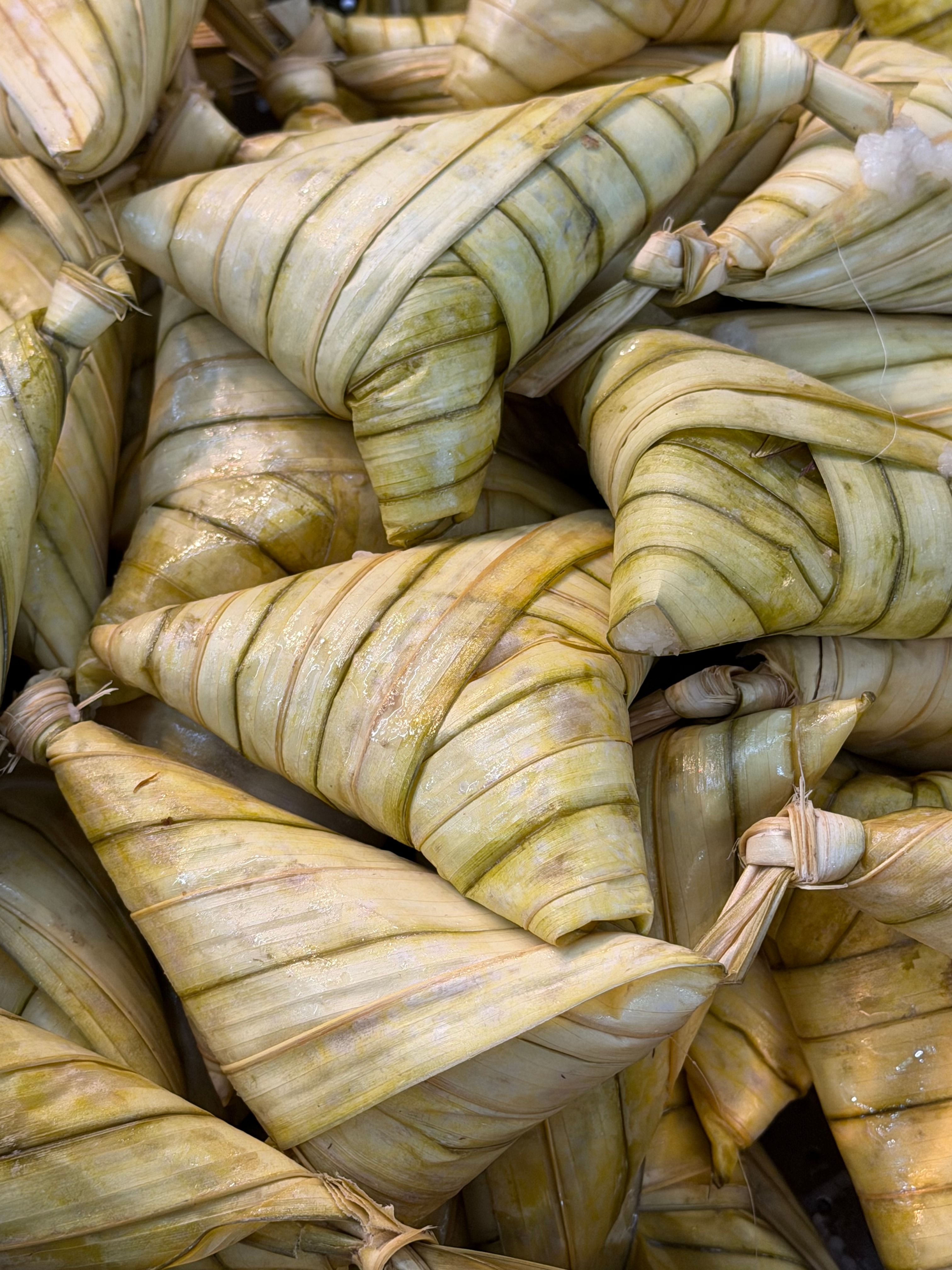
The diets react (see scores below)
Diet Ratings
Pandan leaves are aromatic herb leaves with virtually no carbohydrates or calories. Used primarily for flavoring, they contain negligible net carbs and no sugar. Excellent for keto cooking.
Pandan leaves are a plant-based flavoring ingredient with no animal products or derivatives. Commonly used in Southeast Asian cuisine as a natural extract or whole leaf.
Pandan leaves are an unprocessed herb/plant flavoring used in traditional cooking. They contain no grains, legumes, dairy, or processed additives. Available to hunter-gatherers as a natural plant seasoning.
Pandan leaves are a Southeast Asian flavoring herb with no added sugars or unhealthy fats. While not traditional to Mediterranean cuisine, they function similarly to Mediterranean herbs (oregano, basil) as a plant-based flavoring. Use is minimal per serving, making them compatible with Mediterranean principles when used as a seasoning.
Strict Mediterranean diet interpretations prioritize traditional Mediterranean herbs (oregano, thyme, rosemary) over non-traditional Asian ingredients, even if functionally similar.
Plant-derived flavoring from pandan plant leaves. Carnivore diet excludes all plant foods and plant-based additives.
Pandan leaves are a whole, unprocessed herb/plant flavoring with no excluded ingredients. They are used as a natural seasoning and flavoring agent, fully compliant with Whole30.
Pandan leaves are a flavoring herb with minimal carbohydrate content and no documented FODMAP content in Monash testing. Used in small quantities as a flavoring agent, they are unlikely to contribute significant FODMAPs. However, limited specific Monash data exists for this regional ingredient.
Pandan leaves lack comprehensive Monash University testing; clinical practitioners rarely encounter them in Western FODMAP practice, so real-world elimination-phase guidance is sparse.
Pandan leaves are a zero-calorie, zero-sodium flavoring herb used in cooking. They add flavor without contributing sodium, saturated fat, or added sugars, aligning with DASH principles of using herbs and spices to enhance taste without dietary burden.
Pandan leaves are a flavoring herb with negligible carbohydrates, protein, and fat. They add flavor to Zone meals without macronutrient impact, similar to other culinary herbs. Zero glycemic load.
Pandan leaves are aromatic herbs used in Southeast Asian cooking with polyphenolic compounds and antioxidant properties. They contain flavonoids and are traditionally used for their potential anti-inflammatory effects. Limited clinical research in Western anti-inflammatory nutrition, but consistent with herb-based anti-inflammatory principles.
Pandan leaves are not prominently featured in mainstream anti-inflammatory diet frameworks (Dr. Weil, IF Rating) due to limited Western research, though traditional use and phytochemical profile suggest anti-inflammatory potential. Some practitioners may rate conservatively due to unfamiliarity.
Pandan leaves are a flavoring herb with negligible calories, zero fat, zero sugar, and no protein but add significant flavor to dishes without adding problematic ingredients. They support nutrient-dense meal preparation by enhancing taste without caloric burden. Easy to digest, aids in making GLP-1-friendly meals more palatable.
Nutritional profile
Six traits that cut across every diet.
Fiber & Plants
How much whole-plant food and fiber it delivers.
Healthy Fats
The quality of its fats (unsaturated, omega-3).
Whole / Unprocessed
How close it is to its natural, unprocessed form.
Gut Gentle
How easy it is on digestion (low FODMAP, few irritants).
Low Glycemic
How little it spikes your blood sugar.
Protein Density
How much protein it packs per calorie.
Controversy Index
Score range: 1–9/10. Higher controversy = more disagreement between diets.
Diet-Specific Tips for Pandan leaves
 Keto — 9/10
- Near-zero net carbs
- No added sugars
- Whole food herb
- Minimal caloric content
 Vegan — 9/10
- 100% plant-based
- Whole food ingredient
- No processing concerns
 Paleo — 9/10
- Unprocessed herb
- No additives
- Natural flavoring
- Paleo-compatible seasoning
 Mediterranean — 5/10
- plant-based flavoring
- minimal per-serving use
- no added sugars or unhealthy fats
- non-traditional ingredient
 Whole30 — 9/10
- Whole plant herb
- No added ingredients
- Natural flavoring
 Low-FODMAP — 8/10
- Herb/flavoring with minimal carbohydrate load
- No known fructans, GOS, lactose, or polyols
- Used in small quantities
 DASH — 8/10
- Zero sodium
- Zero calories
- Herb-based flavoring
- No added sugars or fats
 Zone — 8/10
- Herb/flavoring only
- Negligible macronutrients
- No glycemic impact
- Anti-inflammatory potential
 Anti-Inflammatory — 7/10
- polyphenolic compounds
- traditional anti-inflammatory use
- aromatic herb category
- limited Western clinical data
 GLP-1 Friendly — 8/10
- zero calorie flavoring
- aids palatability of healthy foods
- easy to digest
- no fat or sugar