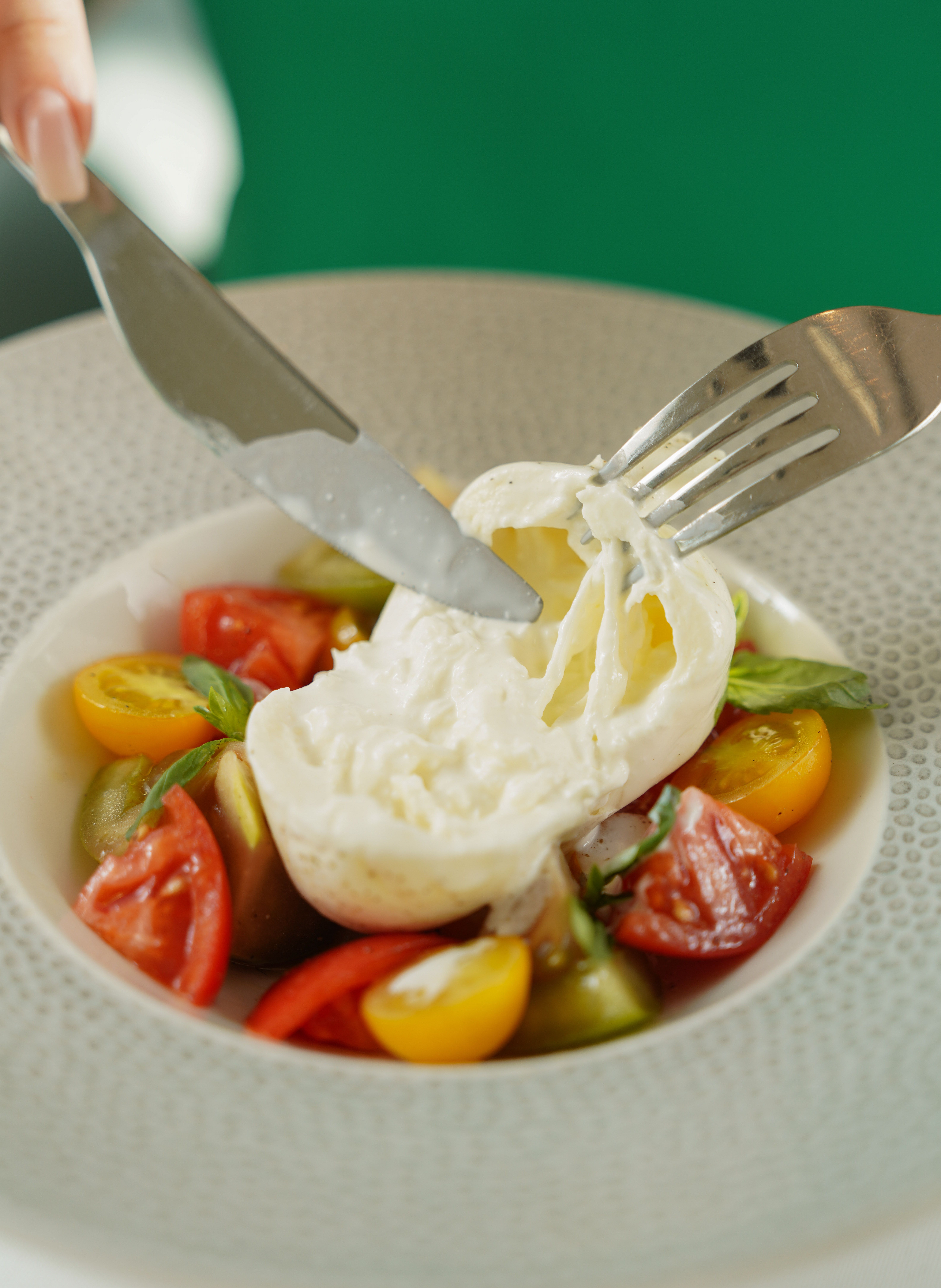
The diets react (see scores below)
Diet Ratings
Part-skim mozzarella contains ~0.6g net carbs and 4-5g fat per ounce. Keto-compatible but less efficient than full-fat cheese. Standard keto prefers full-fat mozzarella for better fat ratios.
Some keto practitioners use part-skim cheese to reduce calorie intake while maintaining ketosis, viewing the slightly lower fat as acceptable within a broader macro strategy.
Part-skim mozzarella is a cheese made from cow's milk. It is a dairy product and animal-derived ingredient explicitly excluded by vegan diet rules regardless of fat content.
Dairy product excluded from paleo diet. Skim designation does not change fundamental dairy exclusion. Contains casein and lactose regardless of fat content.
Part-skim mozzarella is a dairy product acceptable in moderation within Mediterranean diet. It provides protein and calcium while reducing saturated fat compared to full-fat versions. Use in reasonable portions as part of balanced meals.
Part-skim mozzarella is dairy-derived but has reduced fat content compared to full-fat versions. The dairy debate within carnivore community applies here. Additionally, reduced fat makes it less optimal. Most practitioners prefer full-fat cheese if including dairy.
Strict carnivore practitioners exclude all dairy as inflammatory or problematic, while the 'animal-based' camp and most mainstream carnivores accept full-fat dairy. Part-skim versions are suboptimal even for dairy-inclusive practitioners due to reduced fat.
Part-skim mozzarella is a dairy product (cheese). Dairy (milk, cheese, sour cream, yogurt) is explicitly excluded from Whole30 for the full 30 days. The only dairy exceptions are ghee and clarified butter. The 'part-skim' designation does not change its excluded status.
Part-skim mozzarella contains lactose, though at lower levels than whole-milk mozzarella due to reduced fat. Monash rates mozzarella as low-FODMAP at 1 ounce (28g), containing ~0.2g lactose. A standard serving (1-2 ounces) likely remains below the ~1g lactose threshold. However, many practitioners recommend caution with all cheese during strict elimination, and lactose content varies by production method.
While Monash rates mozzarella as low-FODMAP at small servings, some FODMAP practitioners recommend limiting cheese during elimination phase due to lactose variability and the risk of exceeding thresholds with typical serving sizes (many people consume 2+ ounces). Aged cheeses with minimal lactose are safer alternatives.
Part-skim mozzarella reduces saturated fat vs. whole-milk versions (6g vs. 7g per oz) while maintaining calcium and protein. Low sodium if unsalted or lightly salted. Fits DASH low-fat dairy category. Portion control recommended (1-1.5 oz per serving).
Part-skim mozzarella provides ~7g protein and ~4.5g fat per 1 oz serving, making it usable as a combined protein-fat source. However, it contains saturated fat (~2.8g per oz), which Sears limits in favor of monounsaturated sources. Usable in moderation (1 oz per meal) as a protein component, but not ideal. Better alternatives include low-fat cottage cheese or Greek yogurt.
Part-skim mozzarella is lower in saturated fat than whole-milk mozzarella, making it more acceptable within anti-inflammatory guidelines. However, it is still a dairy product with moderate saturated fat and lactose. The anti-inflammatory framework moderates dairy intake rather than emphasizing it. Part-skim mozzarella is acceptable in small amounts as a flavoring or occasional ingredient but should not be a staple protein source.
Part-skim mozzarella provides good protein (7g per 1 oz) but moderate fat (4.5g per 1 oz, mostly saturated). Lactose content may trigger GI distress in sensitive patients. Useful as a small flavor addition, but not a primary protein source. Portion control essential.
Some RDs recommend part-skim cheese as an acceptable protein source; others suggest limiting dairy due to high saturated fat and temporary lactose sensitivity common in GLP-1 patients, preferring plant-based or leaner animal proteins.
Controversy Index
Score range: 1–9/10. Higher controversy = more disagreement between diets.
Diet-Specific Tips for Part-skim mozzarella
 Keto — 6/10
- 0.6g net carbs per ounce
- 4-5g fat per ounce (reduced)
- Protein-rich
- Lower calorie than full-fat
 Mediterranean — 6/10
- dairy product
- reduced saturated fat
- moderate portions recommended
- acceptable in moderation
 Carnivore — 4/10
- animal-derived dairy
- reduced fat content
- dairy debate within community
- full-fat alternatives preferred
 Low-FODMAP — 9/10
- Contains lactose but at lower concentration than milk
- Monash threshold: 1 ounce (28g) is low-FODMAP
- Lactose content varies by production method
 DASH — 8/10
- Low-fat dairy
- Good calcium source
- Reduced saturated fat
- Moderate sodium (check label)
- Portion control important
 Zone — 6/10
- Moderate saturated fat content
- Balanced protein-fat ratio
- Requires portioning discipline
- Monounsaturated alternatives preferred
 Anti-Inflammatory — 5/10
- reduced saturated fat vs. whole-milk
- dairy product
- lactose
- moderate calcium and protein
- acceptable in moderation
 GLP-1 Friendly — 5/10
- Good protein (7g per 1 oz)
- Moderate fat (4.5g per 1 oz), mostly saturated
- Lactose may trigger GI distress
- Portion-dependent utility
- Better alternatives available for primary protein