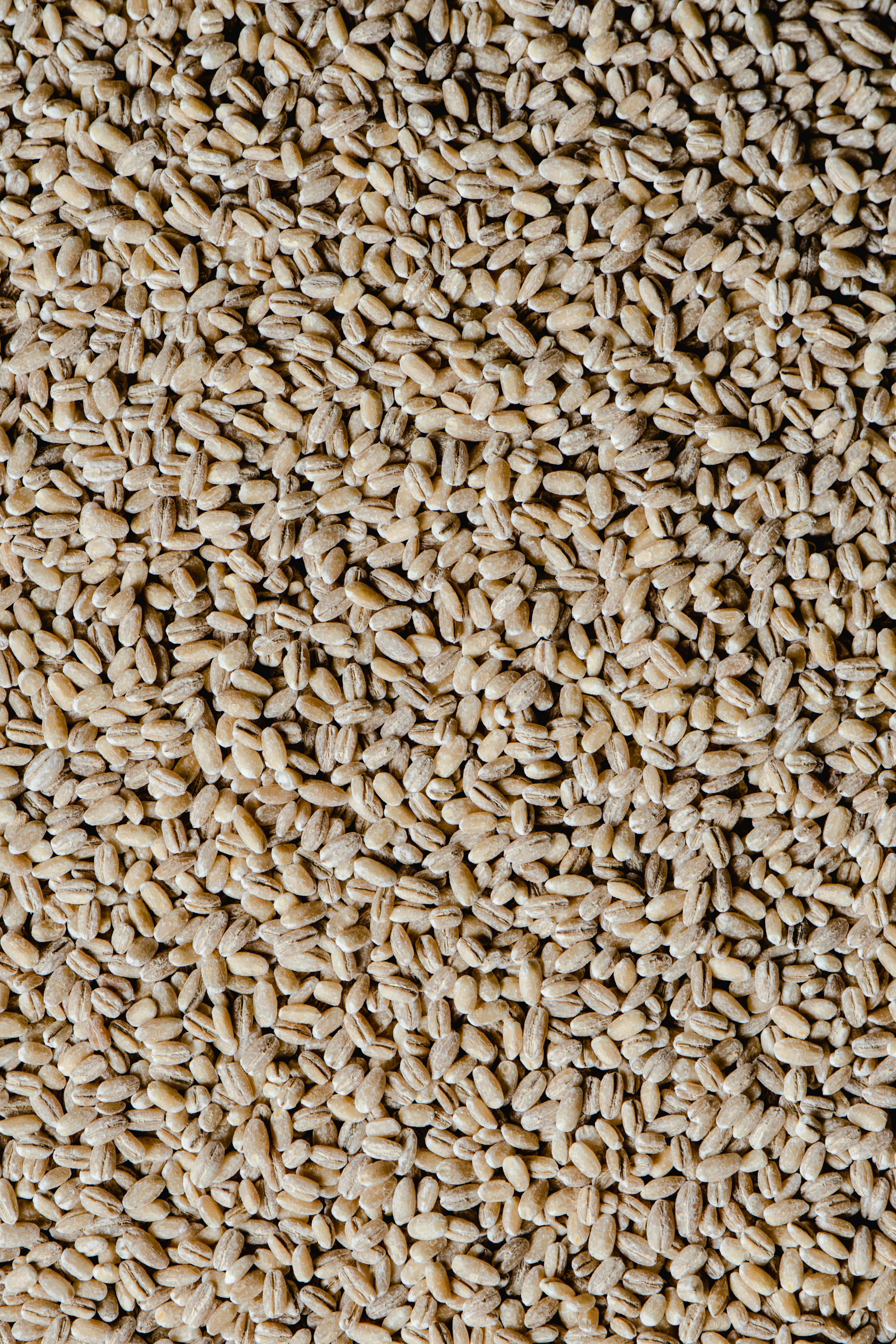
The diets react (see scores below)
Diet Ratings
Pearled wheat is a refined grain product with approximately 35g net carbs per 100g. Fundamentally incompatible with ketogenic macros. Causes rapid blood sugar spike.
Pearled wheat is a whole grain with the outer bran removed through mechanical processing. Contains no animal products or derivatives.
Pearled wheat is a grain product, explicitly excluded from paleo diet. Grains contain anti-nutrients, lectins, and phytic acid. Wheat is a primary paleo elimination food.
Pearled wheat is a refined grain with the bran and germ partially removed, reducing fiber and nutrient density compared to whole grains. Mediterranean diet emphasizes whole grains. However, it retains more nutrition than white rice and is acceptable in moderation if whole grain alternatives are unavailable.
Modern Mediterranean diet guidelines strongly prefer whole grains (farro, bulgur, whole wheat), though some traditional Mediterranean regions historically used pearled grains in certain dishes.
Grain product derived from wheat plant. Carnivore diet strictly excludes all grains, legumes, and plant-based foods.
Pearled wheat is a processed grain product derived from wheat. Whole30 explicitly excludes all grains including wheat in any form. This is a direct violation.
Pearled wheat is wheat grain with the bran and germ removed but retains the endosperm, which is high in fructans. Wheat is a primary source of fructan oligosaccharides and is strictly avoided during the elimination phase of the low-FODMAP diet.
Pearled wheat is a refined grain with the bran and germ removed, reducing fiber and micronutrient content compared to whole wheat. DASH emphasizes whole grains for fiber and potassium. Pearled wheat is acceptable but not preferred; whole grain alternatives are superior.
Pearled wheat is a refined grain with moderate glycemic index (~68). While it contains carbohydrates and some protein, it is not a low-glycemic carb source preferred in Zone. Can be used in small blocks (1 block ≈ 9g net carbs) but whole grains or vegetables are superior choices.
Pearled wheat is a refined grain with the bran and germ removed, reducing fiber and micronutrient content compared to whole wheat. It has a higher glycemic index and lacks the polyphenols and antioxidants of whole grains. Acceptable in moderation but inferior to whole grains for anti-inflammatory goals.
Mainstream nutrition considers pearled grains acceptable as part of a balanced diet. Anti-inflammatory frameworks prefer whole grains, but pearled wheat is not strictly inflammatory—it is simply less beneficial than whole grain alternatives.
Pearled wheat is a refined grain with moderate fiber (lower than whole wheat due to bran removal) and minimal protein (~3g per cooked cup). It provides carbohydrates but lacks the fiber density and protein priority of GLP-1 diets. Acceptable as a minor carb component if paired with high-protein foods, but whole grains are preferred.
Some GLP-1 nutrition guidance accepts pearled grains as adequate carb sources for patients with good GI tolerance, while others recommend whole grains exclusively to maximize fiber intake and satiety per calorie.
Nutritional profile
Six traits that cut across every diet.
Fiber & Plants
How much whole-plant food and fiber it delivers.
Healthy Fats
The quality of its fats (unsaturated, omega-3).
Whole / Unprocessed
How close it is to its natural, unprocessed form.
Gut Gentle
How easy it is on digestion (low FODMAP, few irritants).
Low Glycemic
How little it spikes your blood sugar.
Protein Density
How much protein it packs per calorie.
Controversy Index
Score range: 1–9/10. Higher controversy = more disagreement between diets.
Diet-Specific Tips for Pearled wheat
 Vegan — 9/10
- Plant-based grain
- Whole food
- No animal processing aids
 Mediterranean — 4/10
- refined grain
- reduced fiber vs. whole grain
- some nutrient retention
- acceptable in moderation
 DASH — 5/10
- Refined grain (not whole grain)
- Lower fiber than whole wheat
- Reduced micronutrients
- Acceptable in moderation
 Zone — 5/10
- Refined grain
- Moderate glycemic index
- Some protein content
- Not preferred carb source in Zone
 Anti-Inflammatory — 5/10
- refined grain
- lower fiber than whole wheat
- higher glycemic index
- reduced micronutrients
 GLP-1 Friendly — 5/10
- refined grain (bran removed)
- low protein (~3g/cup cooked)
- moderate fiber (lower than whole wheat)
- easy to digest
- portion-dependent adequacy