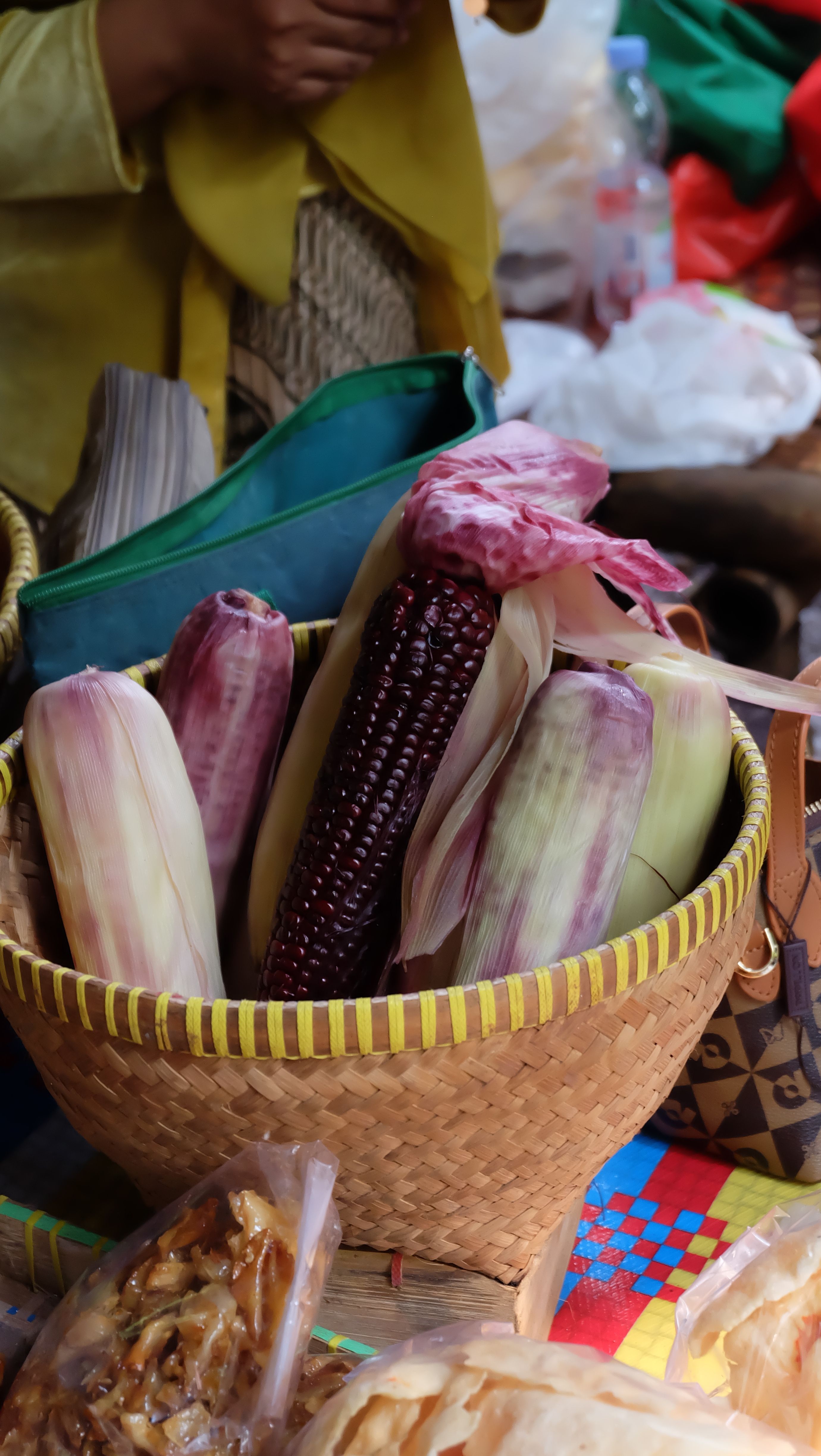
The diets react (see scores below)
Diet Ratings
Purple corn is a grain with approximately 17g net carbs per 100g. Despite anthocyanin content, it remains a starchy vegetable fundamentally incompatible with ketogenic macros.
Purple corn is a plant-based whole grain with no animal products or derivatives. It is a nutritious whole food used in traditional and modern cuisines.
Purple corn is a grain, explicitly excluded from paleo diet regardless of color. Corn contains anti-nutrients, lectins, and high omega-6 polyunsaturated fats. Color variation does not change its grain classification.
Purple corn is a whole grain with high anthocyanin content (antioxidants). When consumed as whole grain (not refined), it aligns with Mediterranean emphasis on whole grains and plant-based foods. The pigmentation indicates superior phytonutrient content compared to white corn.
Grain crop derived from corn plant. Carnivore diet strictly excludes all grains and plant-based foods, regardless of color or variety.
Purple corn is a variety of corn, and corn is explicitly excluded on Whole30 as a grain. The color variety does not change its status as a prohibited grain.
Purple corn is a variety of corn (maize) with anthocyanin pigments. Corn is low-FODMAP when prepared as corn kernels or corn products. Monash classifies corn as low-FODMAP. Purple corn should have the same FODMAP profile as standard corn, though specific Monash testing for the purple variety is limited.
Purple corn lacks specific Monash University testing; however, the FODMAP profile should match standard corn varieties, which are well-established as low-FODMAP.
Purple corn is a whole grain rich in anthocyanins (antioxidants), fiber, and micronutrients. When prepared without added salt or fat, it aligns with DASH emphasis on whole grains. Provides potassium, magnesium, and fiber supporting cardiovascular health.
Purple corn is a higher-glycemic carbohydrate (GI ~52-56 for fresh corn, higher when processed). While it contains anthocyanins (polyphenols), corn is classified as an 'unfavorable' carb in Zone due to higher omega-6 content and glycemic load. Better alternatives exist (low-GI vegetables).
Purple corn is rich in anthocyanins and other polyphenolic antioxidants, which are potent anti-inflammatory compounds. Anthocyanins reduce inflammatory markers (CRP, IL-6) and oxidative stress. Purple corn also contains fiber and resistant starch. Whole grain form is superior to refined.
Purple corn is a whole grain with moderate fiber (~2-3g per cooked cup) and anthocyanin antioxidants, but low protein (~3g per cooked cup). Carbohydrate-heavy relative to protein priority. Acceptable as a minor carb component if paired with high-protein foods; not a primary protein source. Whole grain status is favorable vs. refined grains.
Some GLP-1 nutrition guidance accepts whole grains including purple corn as adequate carb sources for patients with stable GI tolerance, while others recommend minimizing all grains (even whole grains) to maximize protein and fiber density per calorie.
Nutritional profile
Six traits that cut across every diet.
Fiber & Plants
How much whole-plant food and fiber it delivers.
Healthy Fats
The quality of its fats (unsaturated, omega-3).
Whole / Unprocessed
How close it is to its natural, unprocessed form.
Gut Gentle
How easy it is on digestion (low FODMAP, few irritants).
Low Glycemic
How little it spikes your blood sugar.
Protein Density
How much protein it packs per calorie.
Controversy Index
Score range: 1–9/10. Higher controversy = more disagreement between diets.
Diet-Specific Tips for Purple corn
 Vegan — 9/10
- Plant-based grain
- Whole food
- No processing concerns
 Mediterranean — 8/10
- whole grain
- plant-based
- high antioxidants
- nutrient-dense
- traditional in some Mediterranean regions
 Low-FODMAP — 8/10
- Corn is a low-FODMAP grain
- No fructans, GOS, lactose, or polyols in significant amounts
- Anthocyanin pigmentation does not affect FODMAP content
 DASH — 8/10
- Whole grain
- Rich in anthocyanins and antioxidants
- Good source of fiber
- Contains potassium and magnesium
 Zone — 4/10
- Higher glycemic index
- Unfavorable carb in Zone
- Higher omega-6 content
- Anthocyanins present but not sufficient to override concerns
 Anti-Inflammatory — 8/10
- anthocyanins (polyphenolic antioxidants)
- reduces inflammatory markers
- fiber and resistant starch
- whole grain form preferred
 GLP-1 Friendly — 5/10
- whole grain (good fiber)
- low protein (~3g/cup)
- antioxidant-rich (anthocyanins)
- carb-heavy relative to protein priority
- portion-dependent adequacy