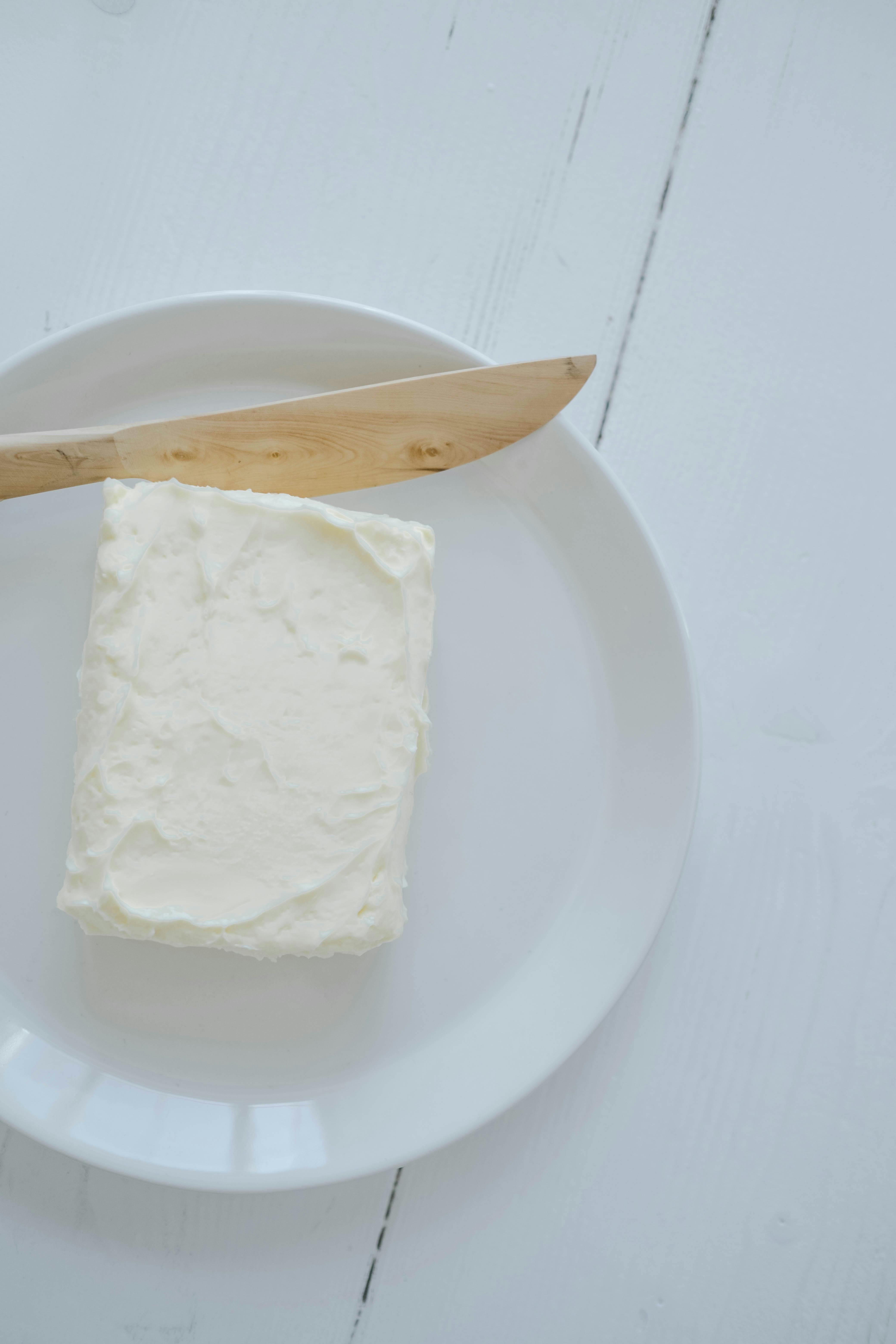
Reduced-fat cream cheese
Rated by 11 diets
The diets react (see scores below)
Diet Ratings
Reduced-fat cream cheese replaces fat with carbohydrate-based thickeners and fillers, increasing net carbs significantly. Full-fat cream cheese is keto staple; reduced-fat versions undermine the macronutrient profile.
Some practitioners use reduced-fat cream cheese in small amounts (1-2 tbsp) as a binder in recipes without exceeding daily carb limits.
Cream cheese is a dairy product made from milk and cream. The reduced-fat formulation does not eliminate its dairy origin, making it non-vegan.
Dairy product excluded from paleo. Reduced-fat processing adds additives and removes fat while retaining problematic dairy proteins and lactose.
Cream cheese is a processed dairy product not emphasized in Mediterranean diet. Reduced-fat version is better than full-fat, but it remains a secondary food. Use sparingly as a condiment rather than a staple.
Traditional Mediterranean cuisines rarely use cream cheese; some modern interpretations allow small amounts as a spread or ingredient in moderation, but it is not encouraged.
Reduced-fat cream cheese requires significant processing and additives to achieve texture; fat removal contradicts carnivore principles of nutrient density. Even full-fat cream cheese is debated; reduced-fat versions are indefensible within the diet.
Dairy is explicitly excluded on Whole30. Reduced-fat versions do not change the fundamental dairy exclusion. Ghee and clarified butter are the only dairy exceptions allowed.
Cream cheese is low-FODMAP due to minimal lactose content from fermentation and curd formation. Reduced-fat versions maintain low-FODMAP status. Standard serving (30g) is safe.
DASH emphasizes low-fat dairy; reduced-fat cream cheese is better than full-fat but still higher in saturated fat than preferred. Sodium content is moderate. Use sparingly as a spread or ingredient rather than a primary dairy source.
Reduced-fat cream cheese is lower in saturated fat than full-fat but still contains significant fat and minimal protein relative to calories. Approximately 2 tbsp (28g) provides ~3g protein and ~5g fat. Can fit into Zone meals but requires careful pairing and portioning to maintain 40/30/30 ratio.
Reduced-fat cream cheese is primarily a processed dairy spread with moderate saturated fat and sodium. It lacks significant anti-inflammatory compounds. Acceptable in small amounts as a condiment but not a staple food in an anti-inflammatory diet.
Contains ~3g protein per ounce but 5-6g fat per ounce even in reduced-fat form. Low protein-to-fat ratio makes it less ideal than other dairy options. Better used as a condiment/spread in very small amounts rather than a protein source. Potential lactose sensitivity concern on GLP-1.
Some RDs accept reduced-fat cream cheese as an occasional flavor enhancer in small quantities; others recommend avoiding it entirely due to fat density and low protein yield relative to calories consumed.
Controversy Index
Score range: 1–8/10. Higher controversy = more disagreement between diets.
Diet-Specific Tips for Reduced-fat cream cheese
 Keto — 5/10
- Added carbs from gums and starches
- Reduced satiety-promoting fat
- Net carbs: ~1-2g per oz (vs 0.4g full-fat)
- Processed additives
 Mediterranean — 4/10
- Processed dairy product
- Not traditional Mediterranean
- Reduced-fat improves profile slightly
- Better used sparingly as condiment
 Low-FODMAP — 8/10
- Lactose largely removed during production
- Fat reduction does not introduce FODMAPs
- Monash-approved at standard servings
 DASH — 5/10
- Saturated fat approximately 5-6g per 2 tbsp
- Sodium around 150-180mg per 2 tbsp
- Limited nutritional benefit compared to Greek yogurt or cottage cheese
- Small portions recommended
 Zone — 5/10
- Low protein-to-fat ratio
- Saturated fat still present
- Minimal carbohydrates
- Better than full-fat but not a preferred Zone fat source
 Anti-Inflammatory — 5/10
- Moderate saturated fat
- High sodium
- Minimal antioxidants or polyphenols
- Processed dairy product
 GLP-1 Friendly — 4/10
- low protein-to-fat ratio
- high fat density
- better as condiment than protein source
- potential lactose sensitivity