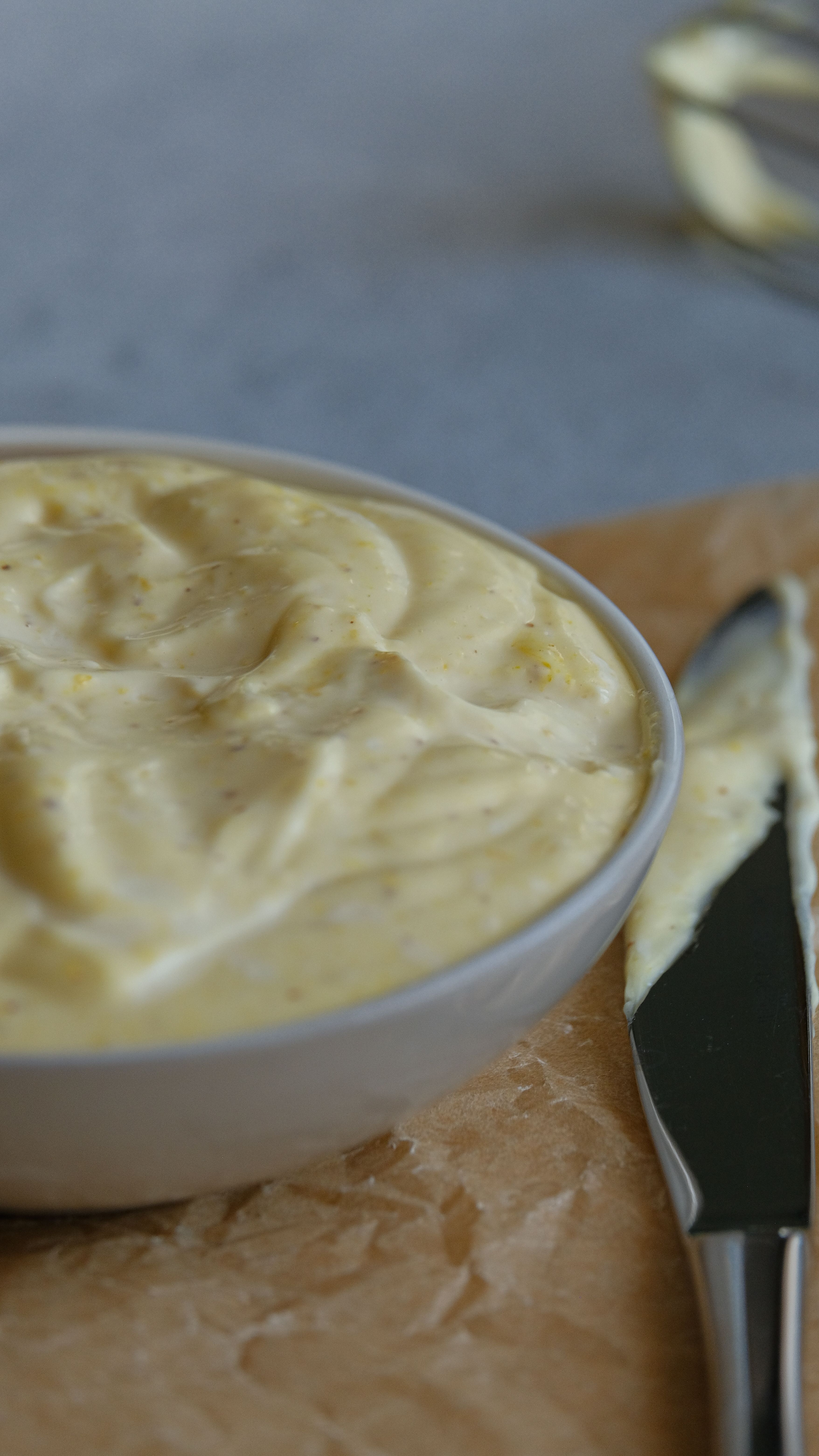
Reduced-fat olive oil mayonnaise
Rated by 11 diets
The diets react (see scores below)
Diet Ratings
Reduced-fat mayo replaces fat with carbohydrate-based fillers, starches, and often added sugars. This defeats the purpose of mayo on keto, which is a high-fat condiment. Full-fat mayo is keto-approved; reduced-fat versions are incompatible.
Mayonnaise is traditionally made with eggs as an emulsifier. Even reduced-fat versions typically contain eggs unless explicitly labeled as vegan. The olive oil base is plant-derived, but the egg content makes it non-vegan.
Olive oil is paleo-approved, but commercial mayonnaise typically contains additives, emulsifiers, and processing agents. Reduced-fat versions often substitute with thickeners and preservatives. Homemade olive oil mayo would be acceptable; commercial versions are borderline.
Some paleo practitioners accept commercial olive oil mayonnaise without added seed oils as a convenient condiment, particularly brands with minimal additives. However, strict paleo advocates prefer homemade versions to avoid processing and additives.
Mayonnaise is a processed condiment not traditional to Mediterranean diet. While olive oil-based versions are better than soybean oil alternatives, and reduced-fat versions lower calories, it remains a secondary product. Fresh olive oil, lemon juice, and vinegar are preferred for dressings.
Some modern Mediterranean diet practitioners accept olive oil mayonnaise in small amounts as a convenient condiment, particularly if it replaces less healthy alternatives, though traditional Mediterranean cooking relies on olive oil and vinegar directly.
Olive oil is plant-derived (excluded from carnivore). Reduced-fat versions contain plant oils and likely sugar, emulsifiers, and other additives. This violates the core rule of animal-only products.
Mayonnaise made with compliant ingredients (eggs, oil, vinegar, salt) is technically allowed. However, 'reduced-fat' versions typically contain added starches, gums, or other additives to replace fat. Label review is essential to confirm no excluded ingredients like soy lecithin, cornstarch, or added sugars are present.
Official Whole30 guidance emphasizes whole, unprocessed foods. While compliant mayo exists, relying on processed condiments may not align with the program's spirit. Some practitioners prefer making mayo at home to ensure full compliance.
Mayonnaise made with olive oil and eggs is low-FODMAP. Reduced-fat versions typically use modified starches or gums as fat replacers, which are low-FODMAP. No high-FODMAP ingredients present at standard servings (1-2 tablespoons).
DASH allows vegetable oils including olive oil in moderation (2-3 tsp/day). Reduced-fat mayo contains less fat than standard but is still calorie-dense and often high in sodium. Use sparingly; olive oil drizzled directly is preferable.
Reduced-fat olive oil mayonnaise aligns well with Zone principles. Olive oil is a preferred monounsaturated fat source. Approximately 1 tbsp (14g) provides ~10g fat with minimal protein and carbs. Fits cleanly as a fat block. The reduction in overall fat makes portioning easier while maintaining the anti-inflammatory olive oil base.
Olive oil-based mayonnaise provides omega-9 monounsaturated fats and polyphenols from extra virgin olive oil, which are core anti-inflammatory foods. Reduced-fat versions maintain the beneficial olive oil while reducing overall caloric density. Use in moderation due to caloric concentration, but the fat profile is anti-inflammatory.
Even reduced-fat mayo contains ~10g fat per tablespoon with minimal protein (~0g) and minimal fiber. Calorie-dense, nutrient-poor, and high fat worsens GLP-1 side effects (nausea, bloating, reflux). No meaningful nutritional benefit for GLP-1 patients. Better replaced with Greek yogurt-based dressings or mustard.
Controversy Index
Score range: 1–9/10. Higher controversy = more disagreement between diets.
Diet-Specific Tips for Reduced-fat olive oil mayonnaise
 Paleo — 5/10
- Olive oil base is paleo-approved
- Commercial processing and additives
- Reduced-fat version likely contains thickeners
- Egg-based (approved ingredient)
 Mediterranean — 5/10
- Processed condiment
- Not traditional Mediterranean
- Olive oil base is preferable to seed oils
- Reduced-fat version acceptable in moderation
 Whole30 — 4/10
- Requires label verification
- Reduced-fat versions often contain additives
- Compliant versions exist but are less common
- Potential for hidden excluded ingredients
 Low-FODMAP — 9/10
- Eggs are low-FODMAP
- Olive oil is low-FODMAP
- Fat replacers (starches, gums) are typically low-FODMAP
- No garlic or onion in plain versions
 DASH — 5/10
- Calorie-dense despite reduced fat
- Sodium typically 100-150mg per 1 tbsp
- Olive oil base is DASH-compatible, but processing and additives reduce benefit
- Portion control critical
 Zone — 7/10
- Monounsaturated fat from olive oil (preferred in Zone)
- Anti-inflammatory profile
- Minimal carbohydrates
- Appropriate fat block size
 Anti-Inflammatory — 7/10
- Olive oil as primary fat source
- Monounsaturated fats (omega-9)
- Polyphenols from olive oil
- Lower saturated fat than traditional mayo
 GLP-1 Friendly — 6/10
- very high fat per serving
- zero protein
- empty calories
- worsens GLP-1 GI side effects
- easily overconsumable