The diets react (see scores below)
Diet Ratings
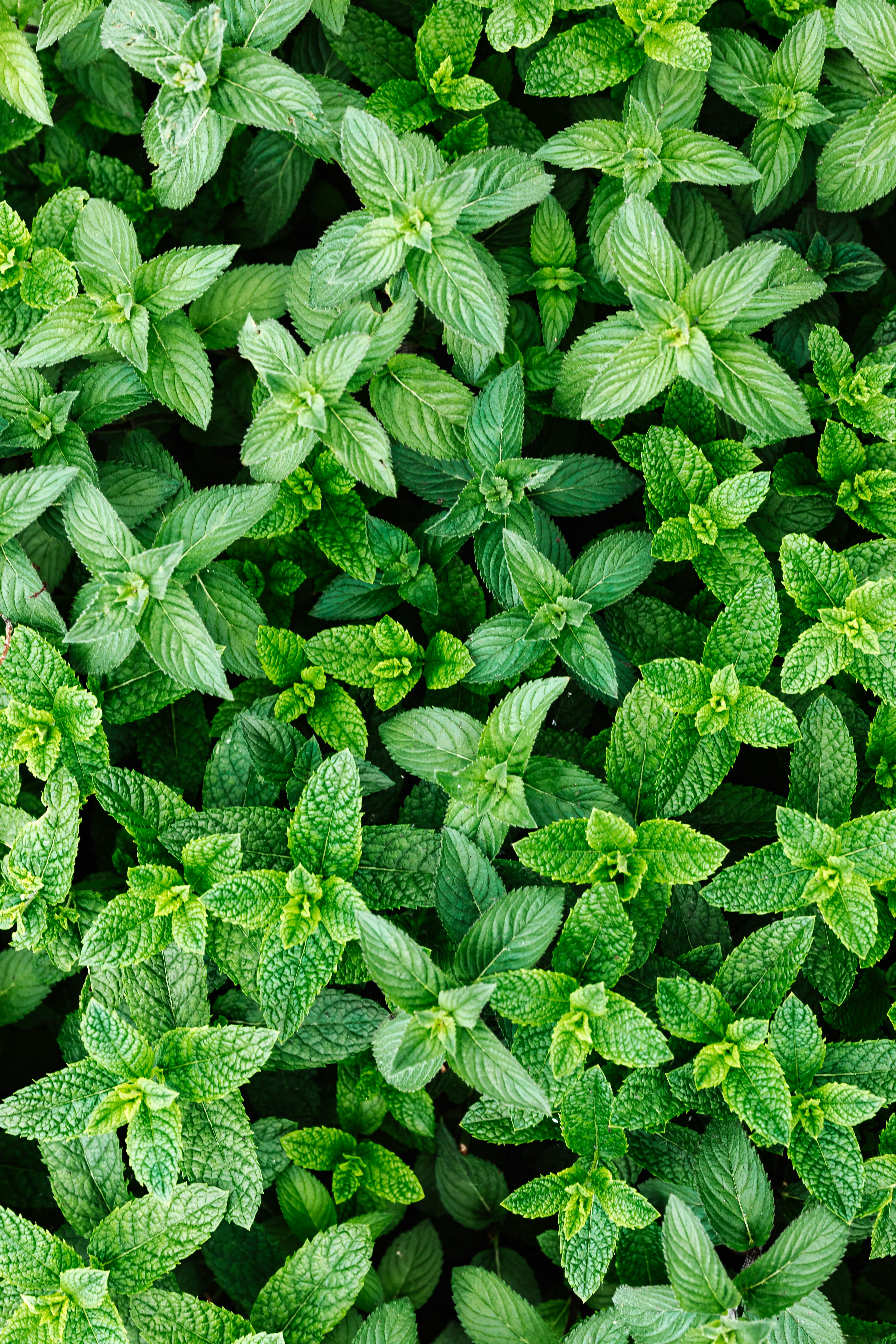
Scent leaves (aromatic herbs like basil, mint, or perilla) contain negligible net carbs. Used fresh or dried as garnish or flavoring, they add no meaningful carbs or calories to meals.
Scent leaves (e.g., perilla, Vietnamese mint) are fresh culinary herbs. Plant-based, no animal products or derivatives. Whole food with no processing concerns.
Scent leaves (typically basil or similar aromatic herbs) are pure herbs available to hunter-gatherers. They contain no problematic ingredients and serve as flavoring and garnish with potential nutritional and medicinal benefits.
Scent leaves (aromatic herbs such as basil, mint, or similar) are plant-based, nutrient-dense, and calorie-free. They are foundational to Mediterranean cuisine for flavoring without added salt, sugar, or fat. Strongly encouraged.
Plant leaves used as herb/flavoring. Violates carnivore exclusion of all plant foods.
Scent leaves (also called perilla or shiso leaves) are fresh or dried herbs used in cooking. Herbs are explicitly allowed on Whole30 with no restrictions.
Scent leaves (typically perilla or similar aromatic herbs) are used in small culinary amounts. Monash has not specifically tested scent leaves, but culinary herbs are generally low-FODMAP when used in typical serving sizes. No known FODMAP-containing compounds in these herbs.
Scent leaves are not formally tested by Monash University. If consumed in large quantities (unlikely given their use as garnish/flavoring), FODMAP content is unknown. Assume low-FODMAP based on herb category, but individual sensitivity possible.
Scent leaves (aromatic herbs like basil, mint, or perilla) are low-calorie, sodium-free flavoring agents. Rich in phytonutrients and antioxidants. Support DASH goals by enhancing flavor without sodium or unhealthy fats.
Scent leaves (aromatic herbs like basil, mint, or similar) are negligible in calories and macronutrients. They can be used freely in Zone meals as flavoring and garnish. Herbs provide polyphenols and support anti-inflammatory goals without affecting macronutrient balance.
Scent leaves (typically basil, mint, or similar aromatic herbs) are rich in polyphenols, flavonoids, and volatile oils with documented anti-inflammatory properties. Basil contains eugenol and linalool; mint contains menthol and rosmarinic acid. Low calorie, high antioxidant density. Strongly aligned with anti-inflammatory herb emphasis.
Leafy herb with minimal calories, no fat, and potential digestive benefits. Adds flavor and phytonutrients without metabolic burden. Supports hydration through water content.
Nutritional profile
Six traits that cut across every diet.
Fiber & Plants
How much whole-plant food and fiber it delivers.
Healthy Fats
The quality of its fats (unsaturated, omega-3).
Whole / Unprocessed
How close it is to its natural, unprocessed form.
Gut Gentle
How easy it is on digestion (low FODMAP, few irritants).
Low Glycemic
How little it spikes your blood sugar.
Protein Density
How much protein it packs per calorie.
Controversy Index
Score range: 1–9/10. Higher controversy = more disagreement between diets.
Diet-Specific Tips for Scent leaves
 Keto — 9/10
- Near-zero net carbs
- Minimal calories
- Whole, unprocessed herb
- Flavoring/garnish use
 Vegan — 9/10
- Plant-derived herb
- No animal ingredients
- Whole food
 Paleo — 9/10
- pure herb
- no additives
- historically available
- nutrient-dense
 Mediterranean — 9/10
- plant-based herb
- traditional Mediterranean ingredient
- zero calories
- nutrient-dense
 Whole30 — 9/10
- Approved herb
- No excluded ingredients
- Whole food seasoning
 Low-FODMAP — 8/10
- Herb used in minimal amounts
- No known fermentable carbohydrates
- Monash testing not available
 DASH — 8/10
- Herb/flavoring
- Zero sodium
- Phytonutrients
- Supports salt reduction
 Zone — 9/10
- Negligible calories
- No macronutrient impact
- Polyphenol content
- Flavor and aroma enhancement
- Anti-inflammatory
 Anti-Inflammatory — 8/10
- polyphenols and flavonoids
- volatile oils (eugenol, linalool, menthol)
- rosmarinic acid in mint varieties
- antioxidant and antimicrobial properties
- minimal caloric or macronutrient impact
 GLP-1 Friendly — 9/10
- near-zero calories
- herb/vegetable
- digestive support
- high water content