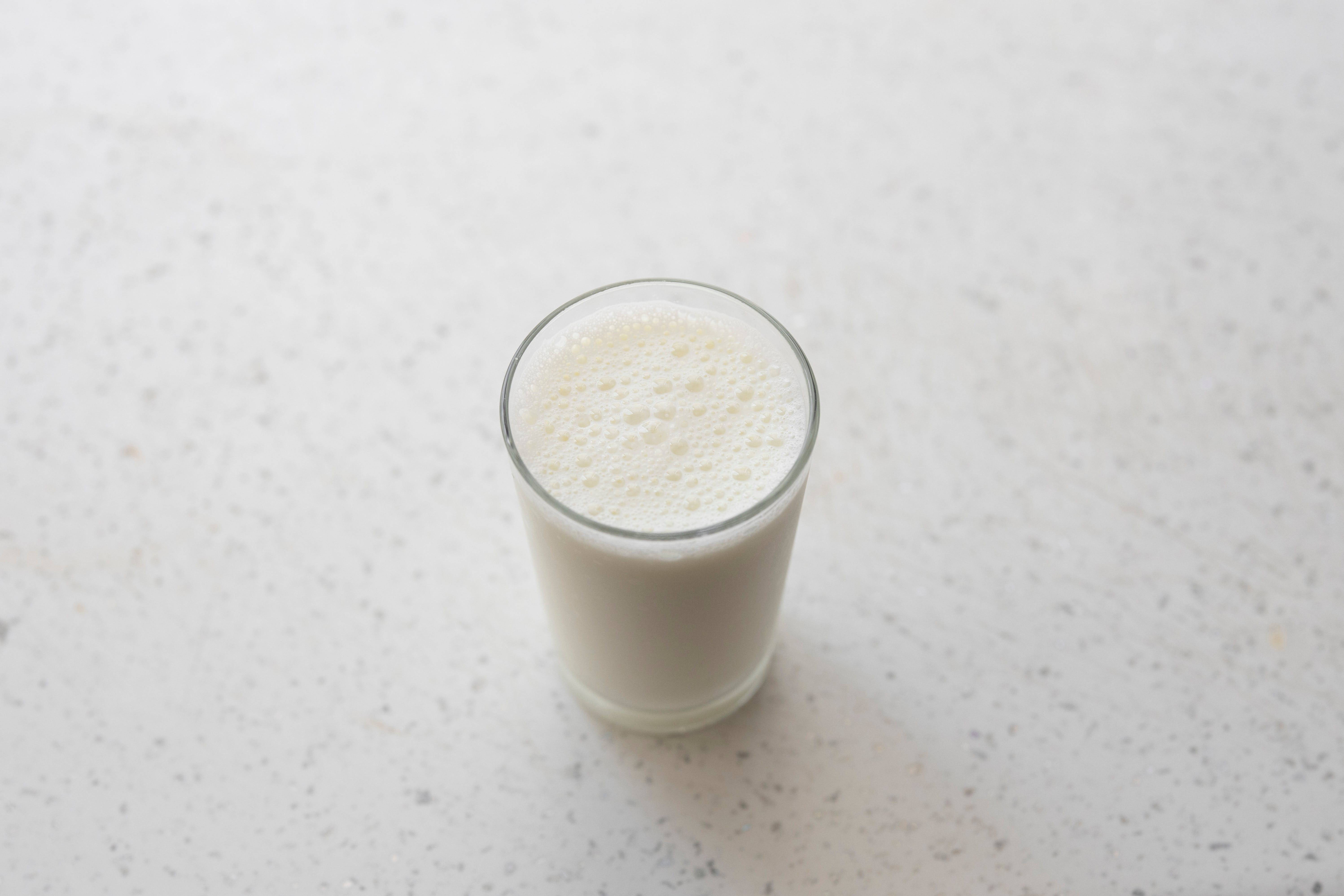
The diets react (see scores below)
Diet Ratings
Skim milk is primarily lactose (milk sugar) with minimal fat, making it incompatible with keto. One cup contains ~12g net carbs, consuming 25-60% of daily carb allowance. The removal of fat eliminates satiety without reducing carbs.
Skim milk is dairy milk with fat removed. It remains a direct animal product derived from cow lactation, making it non-vegan regardless of fat content.
Dairy product excluded from paleo. Fat-free version removes the only potentially beneficial component while retaining casein and lactose. Highly processed and not available to hunter-gatherers.
Milk is acceptable in moderation within Mediterranean diet, but skim milk removes naturally occurring fat and fat-soluble vitamins. Low-fat or whole milk with portion control is preferable to skim. Mediterranean cultures traditionally consume milk less frequently than yogurt or cheese.
Some modern Mediterranean diet guidelines recommend skim or low-fat milk to reduce saturated fat intake, particularly for those with cardiovascular concerns, though traditional Mediterranean cultures consumed less milk overall.
Skim milk removes the fat (where nutrient density resides) and is heavily processed. Even full-fat milk is debated in carnivore; fat-free milk is indefensible. Lactose content is high without the fat to balance it.
Dairy is explicitly excluded on Whole30. Skim milk is still milk and remains excluded regardless of fat content. Ghee and clarified butter are the only dairy exceptions allowed.
Skim milk contains high lactose content (approximately 5g per 240ml cup). Fat removal does not reduce lactose. Lactose is a disaccharide FODMAP and skim milk exceeds low-FODMAP thresholds at any reasonable serving during elimination phase.
Skim milk is a core DASH food. Fat-free, rich in calcium, potassium, and magnesium. Low sodium (typically 100-150mg per 8 oz). Recommended as 2-3 servings daily per DASH guidelines. Excellent source of protein and micronutrients.
Skim milk is problematic for Zone due to its high lactose (carbohydrate) content relative to protein. One cup (240ml) provides ~8g protein but ~12g carbs (mostly lactose, a higher-glycemic sugar). This creates an unfavorable carb-to-protein ratio. Zone practitioners typically prefer low-fat Greek yogurt or limit milk to small portions.
Skim milk provides protein and calcium but lacks fat-soluble vitamins and the anti-inflammatory compounds found in whole milk's fat. Some anti-inflammatory practitioners prefer unsweetened plant-based alternatives (almond, oat) for their lower inflammatory potential, while mainstream nutrition considers skim milk acceptable. The removal of fat may reduce bioavailability of fat-soluble vitamins.
Dr. Weil's Anti-Inflammatory Pyramid includes low-fat dairy as acceptable, but some anti-inflammatory practitioners and the Autoimmune Protocol recommend plant-based milk alternatives due to potential inflammatory effects of casein and lactose in sensitive individuals. Mainstream nutrition supports skim milk as heart-healthy.
Provides ~8g protein per cup with zero fat, but contains ~12g natural sugar (lactose) per cup. High sugar content is suboptimal for GLP-1 patients (blood sugar stability, empty calories). Better used in small amounts (1/4 to 1/2 cup) in coffee or mixed into protein shakes rather than consumed as a beverage. Lactose sensitivity is common on GLP-1s. Greek yogurt or unsweetened plant-based alternatives are superior.
Some RDs accept skim milk in moderation as a protein source; others recommend avoiding it due to high natural sugar content and lactose sensitivity concerns, preferring Greek yogurt or lactose-free alternatives.
Controversy Index
Score range: 1–9/10. Higher controversy = more disagreement between diets.
Diet-Specific Tips for Skim milk (fat-free)
 Mediterranean — 6/10
- Dairy acceptable in moderation
- Skim removes beneficial fats and fat-soluble vitamins
- Yogurt preferred over milk
- Low-fat or whole milk preferable to skim
 DASH — 9/10
- Fat-free aligns with DASH dairy emphasis
- High in calcium (300mg per 8 oz) and potassium (380mg per 8 oz)
- Low sodium
- Excellent protein source (8g per 8 oz)
- Fortified with vitamin D
 Zone — 5/10
- High lactose content (higher-glycemic carb)
- Unfavorable carb-to-protein ratio for Zone
- Minimal fat (not ideal for 40/30/30 ratio)
- Better alternatives available (Greek yogurt)
 Anti-Inflammatory — 5/10
- Low fat content
- Protein and calcium present
- Potential lactose content
- Reduced fat-soluble vitamin bioavailability
 GLP-1 Friendly — 5/10
- good protein content
- zero fat
- high natural sugar (lactose)
- potential lactose sensitivity
- better in small amounts than as beverage