The diets react (see scores below)
Diet Ratings
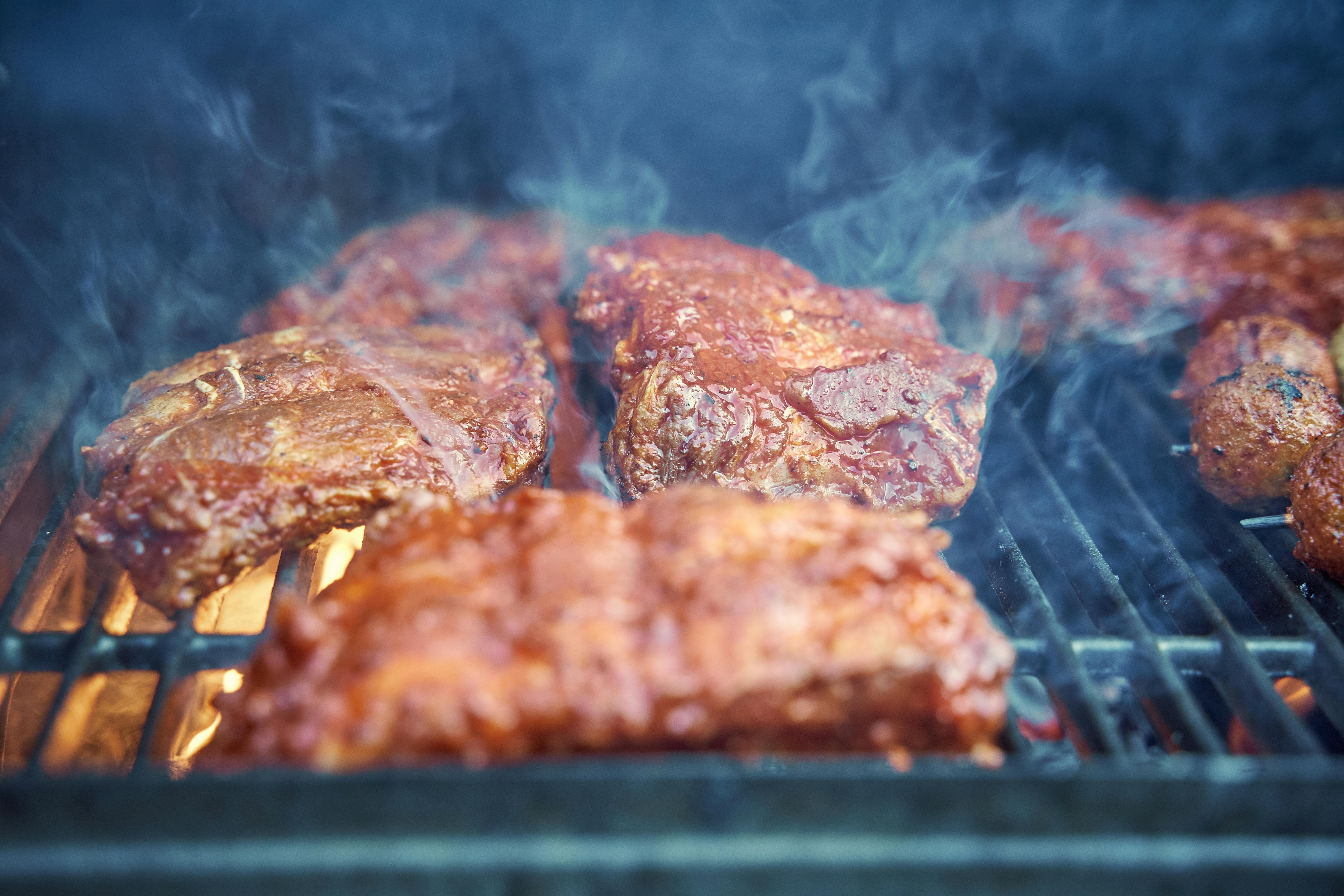
Smoked pork is zero-carb protein and fat, but commercial versions often contain added sugars in the smoking process or glaze. Check labels carefully. Homemade or verified sugar-free versions are fully approved.
Strict keto practitioners avoid most commercial smoked pork due to hidden sugars in curing and smoking processes; others accept it if sugar-free versions are confirmed.
Smoked pork is a preserved pork meat product, a direct animal product. Smoking is a preservation method that does not change the fundamental animal-derived nature of the food.
Smoked pork is pork preserved through smoking, a traditional method. However, commercial smoked pork often contains added salt, nitrates, nitrites, and other preservatives. Quality varies significantly—artisanal smoked pork with minimal additives is more acceptable than processed versions.
Some paleo practitioners accept traditionally smoked pork with minimal additives, while strict interpretations exclude it due to added salt and potential curing agents.
Smoked pork is a processed red meat product high in saturated fat, sodium, and potentially harmful compounds from smoking. Red meat is limited to a few times per month, and processed versions are further restricted. Not aligned with Mediterranean principles.
Pork preserved via smoking (animal product). Excellent fat and protein source. Approved if no plant-based additives or sugar in smoking process.
Smoked pork is technically compliant if it contains no added sugar or excluded ingredients, but many commercial versions contain added sugar, nitrates, or other additives. Label reading is essential to confirm compliance.
Official Whole30 guidance discourages relying on processed cured meats and emphasizes whole, unprocessed foods. While compliant versions exist, the program encourages fresh meat over smoked/cured products.
Smoked pork is plain pork preserved by smoking. No fermentable carbohydrates, lactose, fructans, GOS, or polyols added during smoking. Plain protein and fat source safe during elimination phase. Monash principles support all plain pork as low-FODMAP.
Smoked pork combines multiple DASH violations: red meat (limited in DASH), high saturated fat, and very high sodium from smoking process (400-600mg per 3oz). DASH emphasizes lean poultry and fish over pork.
Smoked pork varies widely in fat content depending on the cut. Lean cuts (loin) can work in Zone, but many smoked pork products contain significant saturated fat. The smoking and curing process adds sodium and may include added sugars. Use lean cuts only and monitor portion size.
Smoked pork combines high saturated fat and processed meat with carcinogenic compounds (PAHs, HCAs) from smoking. Red/processed meat is consistently linked to elevated inflammatory markers (CRP, IL-6) in research. Sodium content is excessive. Lacks omega-3 profile of fish. Contradicts anti-inflammatory principles.
High saturated fat and sodium. Processed cured meat with poor protein-to-fat ratio. Worsens GLP-1 side effects (nausea, bloating, reflux). Minimal nutritional advantage over lean proteins.
Nutritional profile
Six traits that cut across every diet.
Fiber & Plants
How much whole-plant food and fiber it delivers.
Healthy Fats
The quality of its fats (unsaturated, omega-3).
Whole / Unprocessed
How close it is to its natural, unprocessed form.
Gut Gentle
How easy it is on digestion (low FODMAP, few irritants).
Low Glycemic
How little it spikes your blood sugar.
Protein Density
How much protein it packs per calorie.
Controversy Index
Score range: 1–9/10. Higher controversy = more disagreement between diets.
Diet-Specific Tips for Smoked pork
 Keto — 6/10
- Zero net carbs if sugar-free
- High fat and protein content
- Risk of hidden added sugars in commercial products
- Label verification essential
 Paleo — 5/10
- pork is paleo-approved
- smoking is traditional method
- added salt and curing agents often present
- potential nitrates/nitrites in commercial products
- quality varies significantly
 Carnivore — 8/10
- animal-derived
- pork
- minimally processed
- check for additives
 Whole30 — 5/10
- Requires label verification
- May contain added sugar
- May contain nitrates or other additives
- Processed meat product
 Low-FODMAP — 9/10
- Plain protein and fat with no fermentable carbohydrates
- Smoking does not add FODMAPs
- No FODMAP-containing ingredients
 Zone — 5/10
- Variable fat content (cut-dependent)
- Often high in saturated fat
- High sodium (cured/smoked)
- Potential added sugars in processing
- Lean cuts preferred