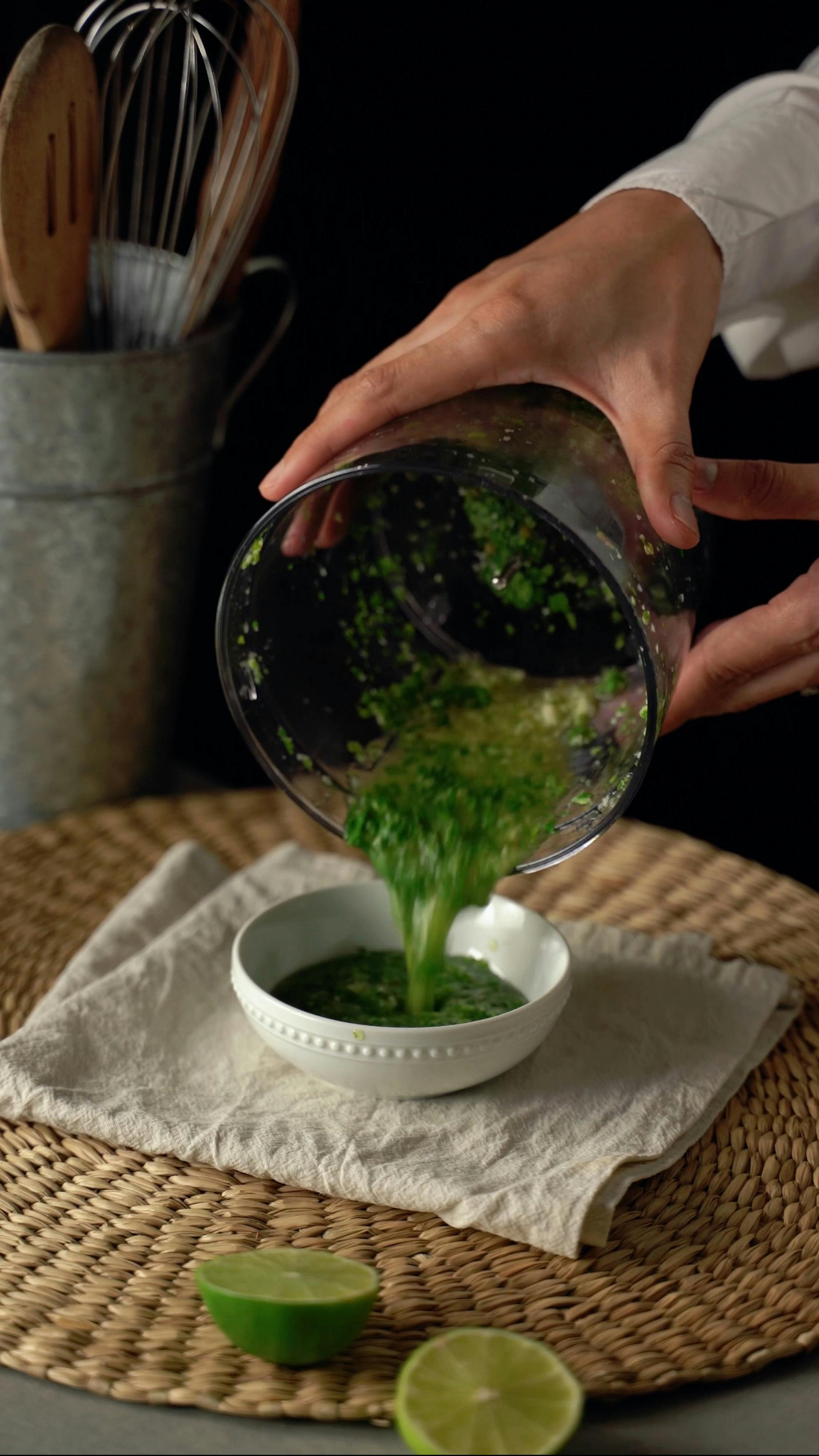
The diets react (see scores below)
Diet Ratings
Sofrito is a cooked vegetable base (onions, garlic, peppers, tomatoes). While vegetables are low-carb, sofrito's carb content depends on proportions and preparation. A 2-tablespoon serving may contain 2-4g net carbs. Portion control required.
Lazy keto practitioners use sofrito liberally; strict keto dieters limit it due to cumulative carbs from multiple vegetables and potential added sugars in commercial versions.
Sofrito is a Spanish/Latin American sauce base made from vegetables (onions, garlic, peppers, tomatoes) and herbs, typically cooked in oil. Most traditional recipes are plant-based, but some regional or commercial versions may contain lard, bacon, or other animal products. Evaluation depends on specific recipe/brand.
Some traditional sofrito recipes incorporate lard or pork products as a base fat, making those versions non-vegan. Plant-based versions using olive oil are fully vegan-compliant.
Sofrito is a traditional cooking base made from sautéed vegetables (typically onions, garlic, peppers, tomatoes) in fat. When made with paleo-approved fats (olive oil, animal fat) and containing only whole vegetables and herbs, it is paleo-compliant. It's a flavor base with no problematic ingredients.
Sofrito is a traditional Mediterranean sauce base made from sautéed vegetables (onions, garlic, tomatoes) in olive oil. It is plant-based, whole-food, and a foundational cooking technique in Spanish and Mediterranean cuisines. Aligns perfectly with Mediterranean diet principles.
Cooking base made from plant ingredients (onions, garlic, peppers, herbs, oil). Plant-derived and violates carnivore exclusion of all plant foods.
Sofrito is a sauce base made from vegetables (onions, peppers, garlic) and fat. Homemade sofrito with compliant ingredients is approved, but commercial versions often contain added sugar, preservatives, or other excluded ingredients. Label reading is critical.
Melissa Urban and official Whole30 guidelines encourage making sauces from whole ingredients rather than relying on pre-made condiments, even if technically compliant versions exist. The spirit of the program favors fresh vegetable-based cooking.
Sofrito is a Spanish/Latin American sauce made from sautéed onions, garlic, tomatoes, and peppers. Both onions and garlic are high-FODMAP due to fructans. Even small amounts of sofrito contain significant FODMAP load. Monash clearly identifies onion and garlic as high-FODMAP ingredients to avoid during elimination.
Sofrito (sautéed vegetable base with garlic, onion, peppers) contains vegetables (DASH-approved) but is typically prepared with oil and often salt. Sodium content varies by recipe (100-400mg per serving). Acceptable in controlled portions with low-sodium preparation.
Some DASH practitioners view sofrito as a valuable flavor base that reduces need for added salt; however, traditional recipes often contain added sodium and excess oil, requiring careful portion control and low-sodium preparation to align with NIH DASH guidelines.
Sofrito is a flavor base of sautéed vegetables and herbs in oil. The macronutrient profile depends heavily on preparation: oil content, vegetable types, and added ingredients. It can fit in Zone if used as a measured fat/carb component, but portion control is essential. Some recipes include added sugar or processed ingredients.
Some Zone practitioners treat sofrito as a favorable flavoring base if made with olive oil and low-glycemic vegetables (onions, peppers, garlic) in controlled portions. Others view it as problematic due to typical high oil content and potential added sugars in commercial versions.
Sofrito is a base of sautéed onions, garlic, and peppers (often with tomato and herbs). All components are anti-inflammatory: garlic contains allicin, onions contain quercetin, peppers contain capsaicin and carotenoids, tomatoes contain lycopene. Prepared with olive oil adds oleocanthal. Synergistic polyphenol and antioxidant profile. Aligns strongly with anti-inflammatory principles.
Aromatic base of sautéed vegetables and herbs, but typically prepared with significant oil/fat. High fat content worsens GLP-1 side effects. Can be used as flavoring in very small amounts, but not as a primary food.
Some RDs recommend sofrito in minimal amounts (1-2 tablespoons) as a flavor enhancer for otherwise lean proteins; others recommend avoiding due to fat load and GI burden. Preparation method (oil quantity) significantly affects suitability.
Nutritional profile
Six traits that cut across every diet.
Fiber & Plants
How much whole-plant food and fiber it delivers.
Healthy Fats
The quality of its fats (unsaturated, omega-3).
Whole / Unprocessed
How close it is to its natural, unprocessed form.
Gut Gentle
How easy it is on digestion (low FODMAP, few irritants).
Low Glycemic
How little it spikes your blood sugar.
Protein Density
How much protein it packs per calorie.
Controversy Index
Score range: 1–8/10. Higher controversy = more disagreement between diets.
Diet-Specific Tips for Sofrito
 Keto — 5/10
- Variable carb content based on recipe
- Tomato and onion contribute carbs
- Portion control essential
- Check commercial versions for added sugars
 Vegan — 6/10
- Vegetable-based sauce
- Recipe-dependent
- May contain animal fats in traditional versions
- Vegan versions widely available
 Paleo — 8/10
- whole vegetables only
- paleo-approved fats
- traditional preparation
- no additives in homemade version
 Mediterranean — 8/10
- plant-based vegetable base
- olive oil primary fat
- traditional Mediterranean preparation
- whole food ingredients
 Whole30 — 6/10
- Homemade version is compliant
- Commercial versions often contain added sugar
- Requires label verification
- May contain preservatives
 DASH — 5/10
- Vegetable-based
- Variable sodium
- Oil content
- Portion control needed
 Zone — 5/10
- Oil content (typically olive oil, favorable)
- Vegetable base (variable glycemic impact)
- Portion-dependent macronutrient contribution
- Commercial versions may contain added sugar
- Requires careful measurement
 Anti-Inflammatory — 8/10
- garlic (allicin, anti-inflammatory)
- onions (quercetin, polyphenols)
- peppers (capsaicin, carotenoids)
- tomatoes (lycopene, antioxidants)
- olive oil base (oleocanthal)
- synergistic antioxidant effect
 GLP-1 Friendly — 4/10
- high fat (oil-based)
- flavor enhancer only
- portion-dependent
- vegetable content