The diets react (see scores below)
Diet Ratings
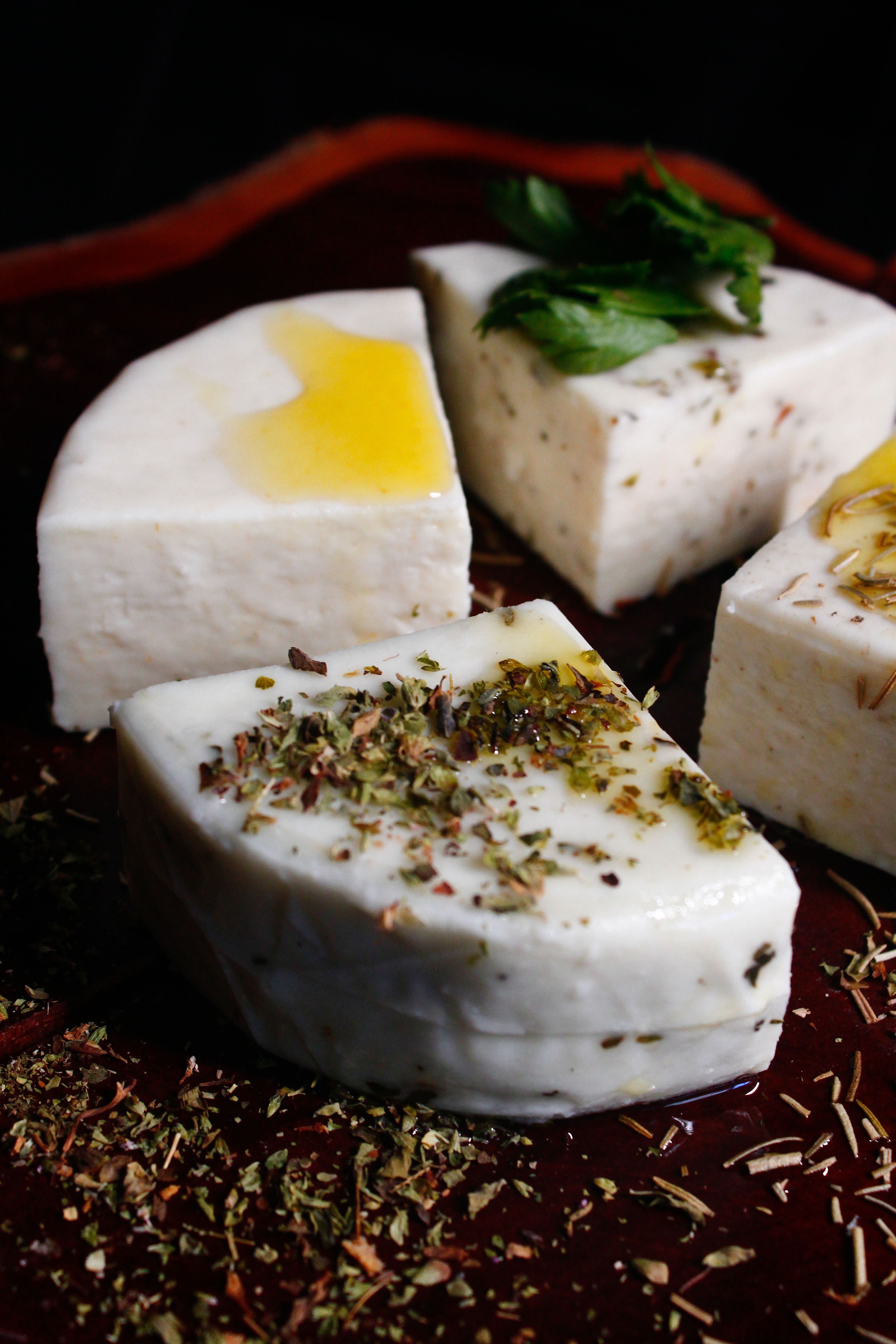
Sulguni is a Georgian cheese with approximately 1-2g net carbs per 100g serving. High in fat and protein, it fits keto macros well. A whole, minimally processed dairy product.
Sulguni is a Georgian cheese made from milk (typically cow or buffalo milk). Cheese is a dairy product explicitly excluded from vegan diet.
Sulguni is a traditional Georgian cheese made from milk. Dairy products are explicitly excluded from paleo diet guidelines. While it is a whole food, cheese contains lactose and casein, which paleo excludes.
Sulguni is a traditional Georgian cheese, not a core Mediterranean cheese. While cheese is acceptable in moderation in Mediterranean diet, it is typically limited to small portions and lower-fat varieties. Sulguni is relatively high in fat and sodium. Use sparingly.
Some Mediterranean diet interpretations, particularly those incorporating Caucasian and Eastern Mediterranean traditions, include regional cheeses like sulguni as acceptable in small portions as part of traditional cuisine.
Cheese made from animal milk (dairy product). While animal-derived, dairy is debated within carnivore community. Sulguni is relatively low-lactose but still contains lactose and casein.
Strict carnivore and Lion Diet adherents exclude all dairy products, viewing them as inflammatory and problematic for many practitioners. Saladino's animal-based approach includes dairy, but meat-only strict carnivore excludes it.
Sulguni is a cheese product. All dairy products including cheese are explicitly excluded on Whole30 for the 30-day program. The only dairy exception is ghee/clarified butter.
Sulguni is a Georgian stretched-curd cheese. Most cheeses contain lactose, but the amount varies by type and aging. Sulguni is a fresh cheese with higher lactose content than aged cheeses. Monash has not specifically tested sulguni, but fresh cheeses are generally higher in lactose than hard cheeses. Small portions may be tolerated, but elimination phase typically restricts fresh dairy.
Sulguni is a fresh cheese with lactose content similar to other fresh cheeses. Monash recommends avoiding fresh cheeses during elimination phase due to lactose. Only aged, hard cheeses are typically low-FODMAP. Sulguni should be avoided or strictly limited during elimination.
Sulguni is a traditional Georgian cheese, typically full-fat with moderate-to-high sodium (200-300mg per ounce). DASH specifies low-fat or fat-free dairy. While cheese provides calcium, the saturated fat and sodium content exceed DASH recommendations for regular consumption.
Recent research suggests full-fat dairy may not worsen cardiovascular outcomes; some updated DASH interpretations allow moderate full-fat cheese consumption. However, NIH DASH guidelines still recommend low-fat dairy and limiting sodium, making sulguni acceptable only occasionally.
Sulguni is a Georgian cheese with moderate protein (approximately 24g per 100g) and fat content (approximately 24g per 100g, mostly saturated). It contains minimal carbohydrates. While it can serve as a protein source, the saturated fat ratio is higher than ideal for Zone's anti-inflammatory focus. Use in moderation.
Some Zone practitioners accept moderate saturated fat from whole food sources like cheese if the overall meal ratio is balanced. Sears' later anti-inflammatory work acknowledges that some saturated fat is acceptable in context, though he still emphasizes monounsaturated fats as primary.
Sulguni is a Georgian stretched-curd cheese with moderate fat content and sodium. Contains some protein and calcium, but full-fat dairy is limited in anti-inflammatory frameworks due to saturated fat. Lacks the polyphenols and antioxidants of plant-based foods. Acceptable in small portions as part of a balanced diet, but not emphasized in anti-inflammatory protocols.
Some anti-inflammatory practitioners accept moderate amounts of full-fat dairy for nutrient density and satiety, while stricter protocols (including some AIP variants) limit or avoid all dairy due to potential inflammatory response in sensitive individuals. Dr. Weil's pyramid moderates dairy rather than eliminating it.
Moderate protein (18-20g per 100g) but high fat (20-25g per 100g). Dairy product that may trigger temporary lactose sensitivity in some GLP-1 patients. Acceptable in small portions but not a primary protein source.
Some RDs recommend sulguni as a good protein source in moderation; others limit all high-fat cheeses due to GI burden and lactose concerns. Many GLP-1 patients develop transient lactose sensitivity, making individual tolerance highly variable.
Nutritional profile
Six traits that cut across every diet.
Fiber & Plants
How much whole-plant food and fiber it delivers.
Healthy Fats
The quality of its fats (unsaturated, omega-3).
Whole / Unprocessed
How close it is to its natural, unprocessed form.
Gut Gentle
How easy it is on digestion (low FODMAP, few irritants).
Low Glycemic
How little it spikes your blood sugar.
Protein Density
How much protein it packs per calorie.
Controversy Index
Score range: 1–8/10. Higher controversy = more disagreement between diets.
Diet-Specific Tips for Sulguni cheese
 Keto — 8/10
- Very low net carbs
- High fat content
- Good protein source
- Whole, unprocessed dairy
 Mediterranean — 5/10
- dairy product
- high fat content
- high sodium
- not traditional Mediterranean cheese
- portion control essential
 Carnivore — 5/10
- animal-derived
- dairy product
- contains lactose
- processed cheese
 Low-FODMAP — 5/10
- Fresh cheese with lactose content
- Lactose is a FODMAP disaccharide
- Monash testing not available for this specific cheese
 DASH — 4/10
- Full-fat dairy
- Moderate-to-high sodium
- Saturated fat
- Calcium present
 Zone — 5/10
- Moderate protein (24g per 100g)
- High saturated fat (24g per 100g)
- Minimal carbohydrates
- Unfavorable fat profile for anti-inflammatory goals
- Portion control essential
 Anti-Inflammatory — 4/10
- full-fat dairy (saturated fat content)
- moderate sodium
- protein and calcium
- limited antioxidant profile
- potential inflammatory response in dairy-sensitive individuals
 GLP-1 Friendly — 5/10
- moderate protein
- high fat
- dairy (lactose risk)
- portion-dependent
- nutrient-dense