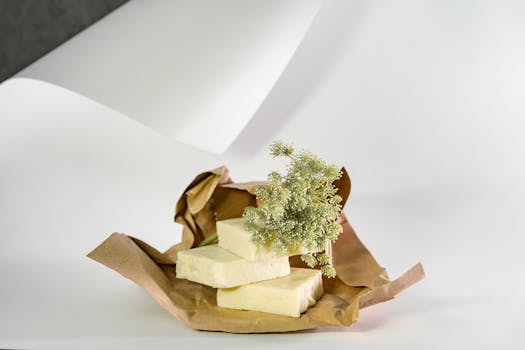
The diets react (see scores below)
Diet Ratings
Grass-fed beef tallow is ideal for keto: zero carbs, nearly 100% fat, nutrient-dense, and supports ketosis. Preferred cooking fat in carnivore and strict keto protocols.
Rendered animal fat, typically from cattle or sheep. Direct animal product explicitly excluded by vegan diet.
Tallow is rendered beef fat, a traditional animal fat used by hunter-gatherers. It is nutrient-dense, stable for cooking, and aligns perfectly with paleo principles of using whole animal products.
Animal fat from beef, high in saturated fat. Mediterranean diet emphasizes plant-based fats, particularly olive oil. Contradicts core dietary principles.
Pure rendered beef fat. Tallow is a staple carnivore cooking fat, nutrient-dense, and universally approved across all carnivore protocols. Provides saturated and monounsaturated fats optimal for carnivore nutrition.
Rendered beef fat. Whole30 explicitly approves animal fats including tallow as a natural cooking fat.
Rendered animal fat contains no fermentable carbohydrates. FODMAP-free at any serving size.
Animal fat high in saturated fat and cholesterol. DASH explicitly limits saturated fat to support blood pressure and lipid control. Contradicts core DASH principles.
Tallow is primarily saturated fat (>50%). Zone Diet limits saturated fat in favor of monounsaturated sources. However, tallow contains some monounsaturated fat and fat-soluble vitamins. Usable in small portions but not ideal.
Some paleo-aligned Zone practitioners accept grass-fed tallow as acceptable fat source due to nutrient density and conjugated linoleic acid content, though Dr. Sears' core protocol favors olive oil and avocado.
Tallow is rendered beef fat, extremely high in saturated fat and cholesterol. Anti-inflammatory guidelines limit saturated fat intake. While some paleo advocates defend tallow, mainstream anti-inflammatory consensus and Dr. Weil's pyramid strongly discourage high-fat animal products.
Rendered beef fat, nearly 100% saturated fat. Extremely high in calories (115 cal/tbsp), zero protein or fiber, and saturated fat is known to worsen GLP-1 side effects (nausea, bloating, reflux). No nutritional advantage over unsaturated oils and directly contradicts GLP-1 dietary principles.
Nutritional profile
Six traits that cut across every diet.
Fiber & Plants
How much whole-plant food and fiber it delivers.
Healthy Fats
The quality of its fats (unsaturated, omega-3).
Whole / Unprocessed
How close it is to its natural, unprocessed form.
Gut Gentle
How easy it is on digestion (low FODMAP, few irritants).
Low Glycemic
How little it spikes your blood sugar.
Protein Density
How much protein it packs per calorie.
Controversy Index
Score range: 1–10/10. Higher controversy = more disagreement between diets.
Diet-Specific Tips for Tallow
 Keto — 9/10
- Zero net carbs
- Nearly 100% fat
- Nutrient-dense (fat-soluble vitamins)
- High smoke point
- Supports ketosis
 Paleo — 9/10
- Rendered animal fat
- Available to Paleolithic humans
- High smoke point for cooking
- Nutrient-dense
 Carnivore — 10/10
- 100% animal-derived
- Minimally processed
- Optimal fatty acid profile
- Universally endorsed
 Whole30 — 9/10
- Animal fat
- Whole and unprocessed
- Approved cooking fat
 Low-FODMAP — 9/10
- Pure fat
- No carbohydrates
- No fermentable components
 Zone — 4/10
- High saturated fat
- Some monounsaturated content
- Nutrient-dense
- Not preferred monounsaturated source