The diets react (see scores below)
Diet Ratings
Taro leaves contain approximately 3-5g net carbs per 100g cooked. While lower than taro root, they exceed typical keto vegetable allowances. Small portions (1-2 cups) can fit within daily carb limits with careful tracking.
Strict keto practitioners avoid taro leaves entirely due to carb density; others include small portions as part of a leafy green rotation if carbs are tracked.
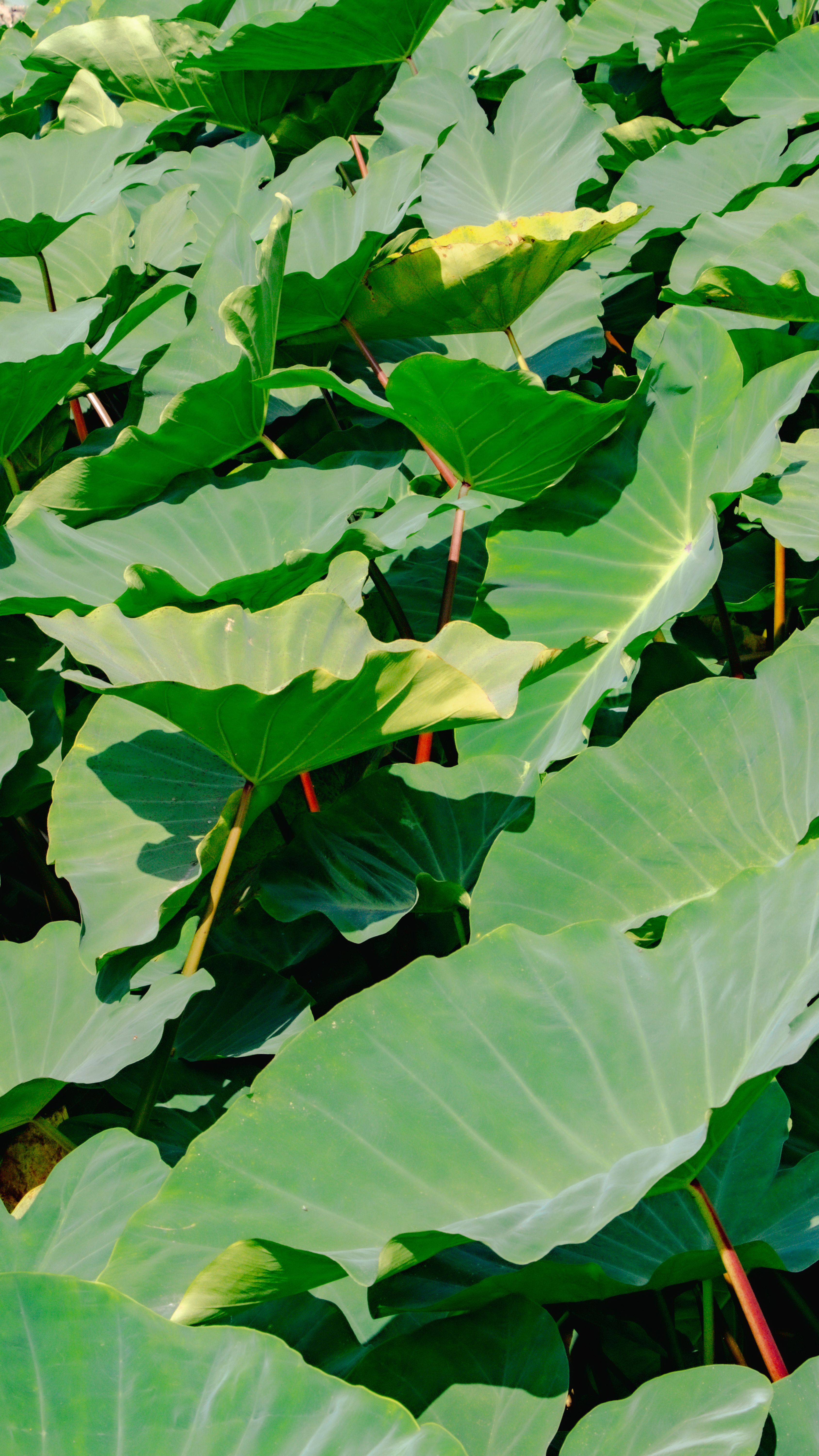
Taro leaves are the edible leaves of the taro plant. Plant-based, no animal products or derivatives. Whole food with no processing concerns. Nutritious leafy green vegetable.
Taro leaves are leafy greens from the taro plant, nutrient-dense and available to hunter-gatherers. They are a whole vegetable with no additives or processing. Taro leaves are paleo-approved and provide excellent nutrition.
Taro leaves are a nutrient-dense, plant-based vegetable rich in fiber, vitamins, and minerals. While not traditionally Mediterranean, they align perfectly with Mediterranean principles of emphasizing whole plant foods. Can be prepared simply with olive oil and garlic.
Plant leaves (vegetable). Carnivore diet excludes all plant foods including leafy vegetables.
Taro leaves are a leafy green vegetable. All vegetables are explicitly allowed on Whole30 with no restrictions.
Taro leaves are the leafy greens of the taro plant. Monash has not specifically tested taro leaves. However, most leafy greens are low-FODMAP. Taro root is high-FODMAP due to polyols, but leaves are a different plant part. Limited data suggests taro leaves may be low-FODMAP in typical serving sizes, but confirmation is needed.
Taro leaves are not formally tested by Monash University. While most leafy greens are low-FODMAP, taro's high polyol content in the root raises questions about the leaves. Conservative elimination phase approach would suggest caution until individual tolerance is established.
Taro leaves are nutrient-dense vegetables rich in fiber, potassium, magnesium, and antioxidants. Low sodium, low calorie, and support DASH vegetable intake goals (4-5 servings/day). Whole food, unprocessed, and excellent source of minerals.
Taro leaves are a low-glycemic vegetable with minimal carbohydrates (approximately 6-8g per 100g cooked) and negligible fat. They provide fiber, vitamins, and minerals. They fit well into Zone's vegetable carbohydrate allowance and can be consumed in generous portions as part of the 8 daily vegetable servings.
Taro leaves are nutrient-dense leafy greens rich in polyphenols, antioxidants, fiber, and minerals (magnesium, potassium, manganese). Contain carotenoids and flavonoids with anti-inflammatory properties. When cooked, reduce oxalate content. Aligns with anti-inflammatory emphasis on colorful vegetables and leafy greens.
Low calorie, high fiber (3-4g per 100g cooked), moderate protein (2-3g per 100g), minimal fat. Nutrient-dense leafy green with easy digestibility. Supports hydration and GI health. Requires cooking to remove oxalates.
Nutritional profile
Six traits that cut across every diet.
Fiber & Plants
How much whole-plant food and fiber it delivers.
Healthy Fats
The quality of its fats (unsaturated, omega-3).
Whole / Unprocessed
How close it is to its natural, unprocessed form.
Gut Gentle
How easy it is on digestion (low FODMAP, few irritants).
Low Glycemic
How little it spikes your blood sugar.
Protein Density
How much protein it packs per calorie.
Controversy Index
Score range: 1–9/10. Higher controversy = more disagreement between diets.
Diet-Specific Tips for Taro leaves
 Keto — 5/10
- Moderate net carbs for a vegetable
- Requires portion control
- Nutrient-dense but carb-dense
- Cumulative carbs with other vegetables
 Vegan — 9/10
- Plant-derived vegetable
- No animal ingredients
- Whole food
- Nutrient-dense
 Paleo — 8/10
- whole vegetable
- leafy green
- nutrient-dense
- no additives
- historically available
 Mediterranean — 8/10
- plant-based vegetable
- nutrient-dense
- high fiber content
- whole food
 Whole30 — 9/10
- Whole vegetable
- No excluded ingredients
- Approved produce
 Low-FODMAP — 6/10
- Leafy green with likely low FODMAP content
- Taro root is high-FODMAP (polyols)
- Monash testing not available for leaves
 DASH — 8/10
- Leafy green vegetable
- High potassium
- High fiber
- Zero sodium
- Rich in magnesium
 Zone — 8/10
- Low glycemic index
- Minimal net carbohydrates
- Good fiber content
- Nutrient-dense
- Fits vegetable carb allowance
 Anti-Inflammatory — 7/10
- polyphenols and flavonoids
- carotenoids (antioxidants)
- fiber content
- magnesium and potassium
- reduced oxalates when cooked
- minimal caloric density relative to nutrient content
 GLP-1 Friendly — 8/10
- high fiber
- low fat
- low calorie
- easy to digest
- requires cooking