The diets react (see scores below)
Diet Ratings
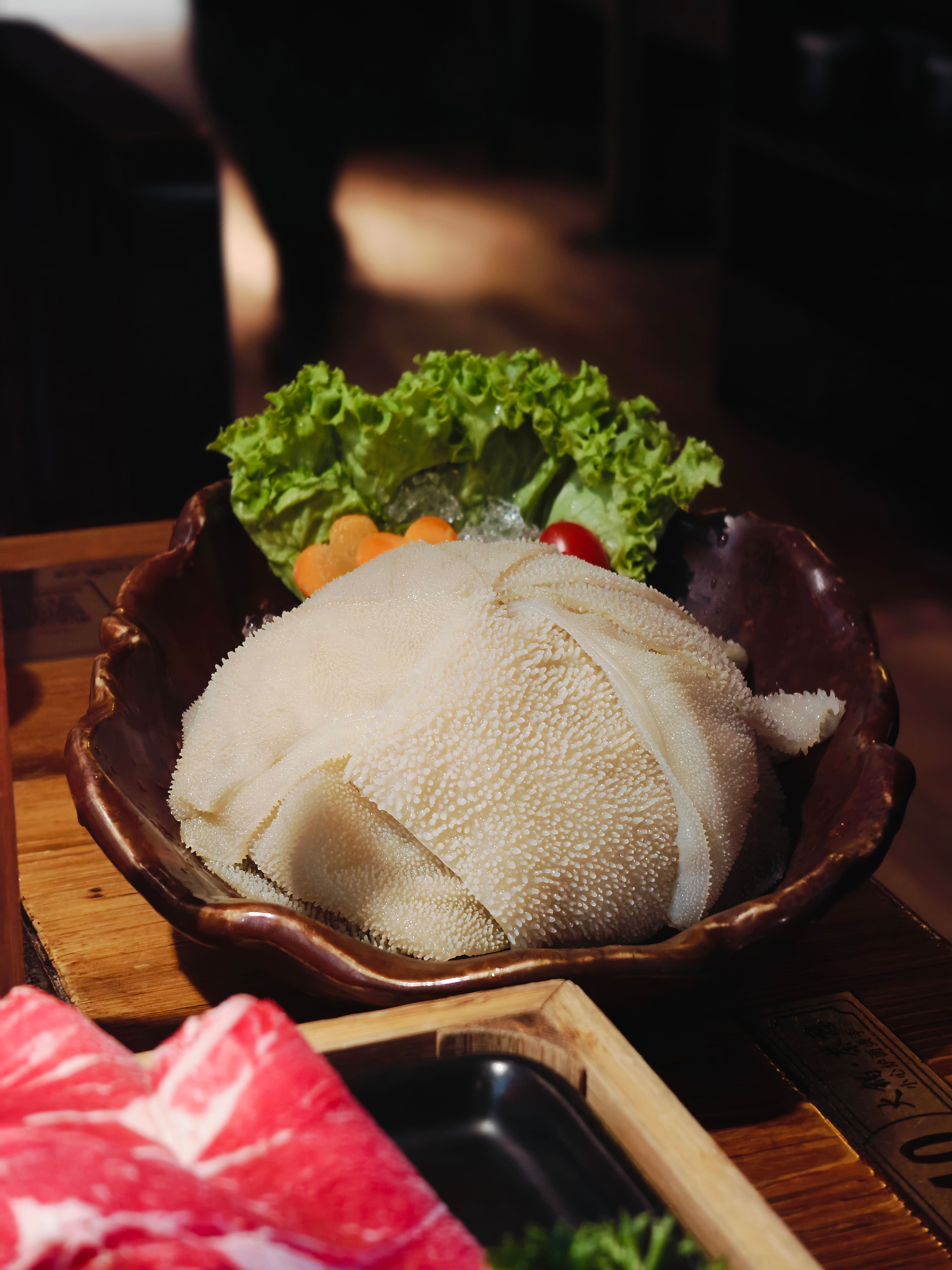
Tripe (animal stomach lining) is virtually zero-carb, high in protein and collagen, and fits keto perfectly. Minimal fat but excellent nutrient density and supports ketosis.
Tripe is the stomach lining of ruminant animals (typically cattle). It is a direct animal product and explicitly excluded from all vegan diets.
Tripe is organ meat from ruminants, a nutrient-dense whole food available to Paleolithic hunters. Rich in collagen, minerals, and amino acids. Unprocessed and aligns with nose-to-tail eating philosophy.
Tripe is organ meat from ruminants, falling under red meat category. Mediterranean diet limits red meat to a few times per month or weekly at most. Tripe is high in saturated fat and cholesterol, contradicting the plant-forward emphasis.
Tripe is the stomach lining of ruminant animals (beef, lamb). It is an organ meat, minimally processed, nutrient-dense, and fully aligned with carnivore diet principles. Organ meats are actively encouraged for micronutrient completeness.
Tripe is organ meat from ruminants (beef, lamb). It is a whole, unprocessed animal product with no excluded ingredients. Fully compliant with Whole30.
Tripe is cooked animal tissue (stomach lining) containing negligible carbohydrates and no FODMAPs. It is a pure protein source safe at any serving size during the elimination phase.
Tripe is lean organ meat with high protein but also contains moderate cholesterol and saturated fat. DASH emphasizes lean meats in moderation; tripe is lower in fat than red meat but higher than poultry or fish. Preparation method (boiling vs. frying) significantly affects sodium and fat content.
Tripe is lean protein (approximately 10g protein per 100g cooked) with minimal fat, making it a viable Zone protein block. However, it contains moderate amounts of cholesterol and some saturated fat. It requires careful portioning to fit 30% fat macronutrient targets and pairs best with monounsaturated fat sources. Texture and preparation method significantly affect Zone compatibility.
Some Zone practitioners classify organ meats favorably due to micronutrient density and lean profile, while others caution against higher cholesterol content relative to modern anti-inflammatory Zone principles. Dr. Sears' later work emphasizes omega-3 and polyphenol content; tripe lacks these.
Tripe is organ meat (beef stomach lining) with a mixed inflammatory profile. It provides collagen, gelatin, and some micronutrients (B12, zinc, selenium) that support anti-inflammatory processes. However, it is high in saturated fat and arachidonic acid (a pro-inflammatory omega-6 polyunsaturated fatty acid), which can elevate inflammatory markers in some individuals. Traditional anti-inflammatory frameworks emphasize lean poultry over red meat organ meats. Acceptable in moderation as part of a varied diet, but not a primary protein source for anti-inflammatory eating.
Some nutrient-dense diet advocates (e.g., Weston A. Price Foundation) champion organ meats including tripe for their micronutrient density and collagen content, arguing the saturated fat is not inherently inflammatory in whole-food context. Mainstream anti-inflammatory guidance (Dr. Weil, AHA) recommends limiting red meat and organ meats in favor of fish and poultry.
Tripe is extremely lean, high in protein (approximately 10g per 100g cooked), and low in fat. It is nutrient-dense, easy to digest when properly prepared, and supports muscle preservation during weight loss. Minimal caloric density per gram of protein makes it ideal for GLP-1 patients.
Nutritional profile
Six traits that cut across every diet.
Fiber & Plants
How much whole-plant food and fiber it delivers.
Healthy Fats
The quality of its fats (unsaturated, omega-3).
Whole / Unprocessed
How close it is to its natural, unprocessed form.
Gut Gentle
How easy it is on digestion (low FODMAP, few irritants).
Low Glycemic
How little it spikes your blood sugar.
Protein Density
How much protein it packs per calorie.
Controversy Index
Score range: 1–9/10. Higher controversy = more disagreement between diets.
Diet-Specific Tips for Tripe
 Keto — 8/10
- 0g net carbs per 100g
- High protein (10-12g per 100g)
- Rich in collagen and amino acids
- Minimal fat content
 Paleo — 9/10
- Organ meat
- Unprocessed
- Nutrient-dense
- Ancestral food source
 Carnivore — 9/10
- Ruminant organ meat
- Nutrient-dense
- Minimally processed
- High in collagen and minerals
 Whole30 — 9/10
- Whole animal product
- No processing or additives
- Nutrient-dense organ meat
 Low-FODMAP — 9/10
- No fermentable carbohydrates
- Pure protein source
- No fructans, GOS, lactose, excess fructose, or polyols
 DASH — 5/10
- Moderate saturated fat and cholesterol
- High protein content
- Preparation method affects sodium
- Portion control recommended
 Zone — 5/10
- Lean protein source
- Moderate cholesterol content
- Minimal carbohydrate
- Requires fat pairing strategy
- Preparation method affects macros
 Anti-Inflammatory — 5/10
- High in arachidonic acid (pro-inflammatory omega-6)
- Saturated fat content
- Collagen and gelatin (potentially supportive)
- Micronutrients: B12, zinc, selenium
 GLP-1 Friendly — 8/10
- high protein density
- very low fat
- lean animal protein
- easy to digest when cooked properly
- nutrient-dense