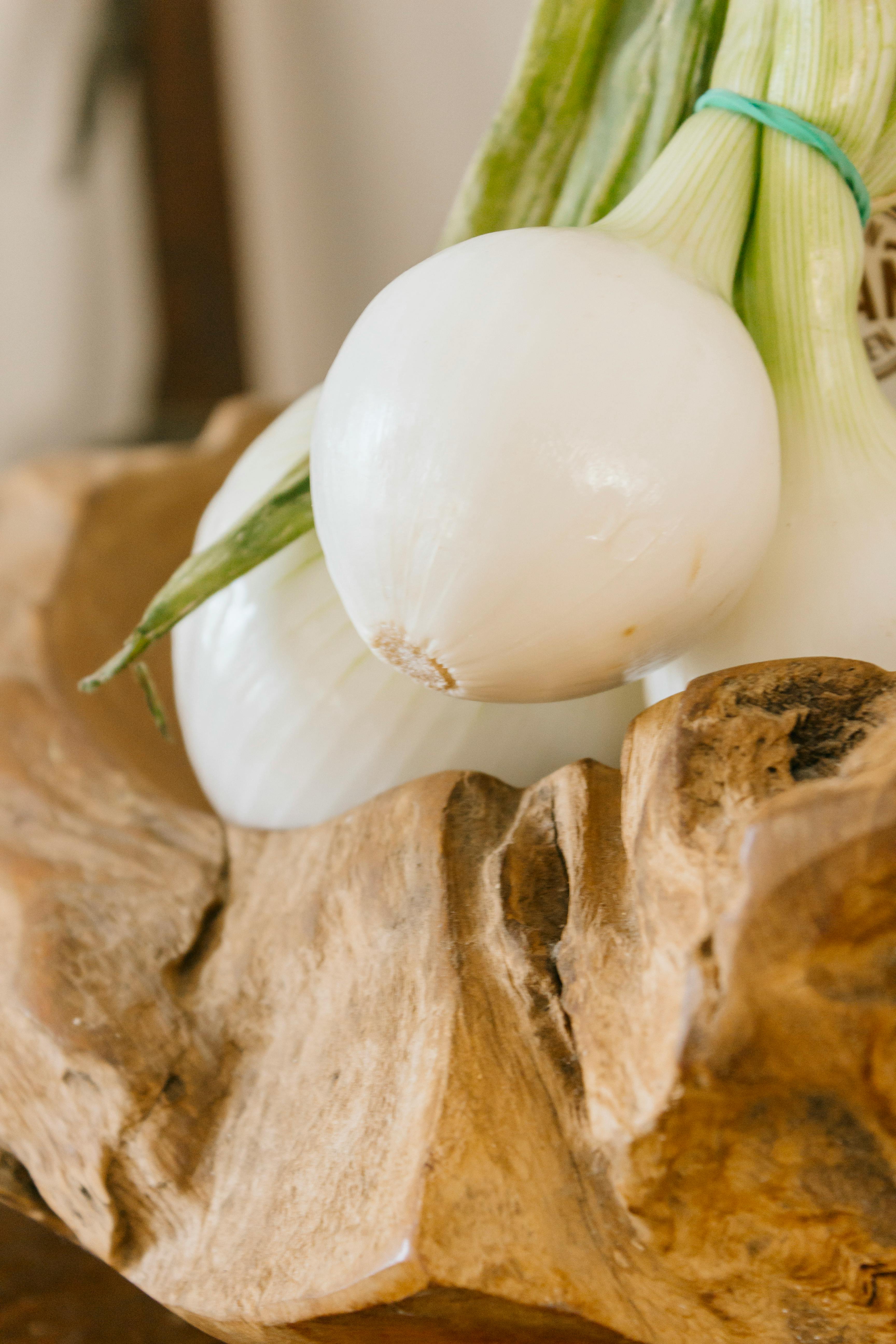
The diets react (see scores below)
Diet Ratings
White onions contain ~7g net carbs per 100g (medium onion ~5-6g net carbs). Consumable in small quantities (1-2 tablespoons minced) but must be carefully portioned to stay within daily carb limits. Higher carb than other keto vegetables.
Whole plant food with no animal products or derivatives. Nutritious vegetable staple in plant-based cooking.
Onions are vegetables available to Paleolithic humans. White onions are unprocessed, nutrient-dense, and contain no grains, legumes, or seed oils. Universally approved across all paleo authorities.
Onions are a foundational vegetable in Mediterranean cuisine, used daily in soups, stews, salads, and cooked dishes. They are whole, plant-based, nutrient-dense, and central to the Mediterranean diet's emphasis on vegetables.
White onions are plant-derived vegetables and directly violate carnivore diet rules. They contain carbohydrates and plant compounds incompatible with the animal-products-only framework. No legitimate carnivore protocol includes onions.
White onions are whole, unprocessed vegetables with no excluded ingredients. They are fully compliant with Whole30.
White onions are high in fructans (a type of oligosaccharide FODMAP). Monash University rates all onion varieties as high-FODMAP even at small servings (1/4 cup = 2g fructans, exceeding low-FODMAP threshold). Must be avoided during elimination phase. Onion-infused oil is acceptable as FODMAPs are water-soluble.
Fresh white onion is a core DASH vegetable. Low sodium, rich in fiber and antioxidants. Supports vegetable intake (4-5 servings/day target). No added sugars or fats when raw or cooked without oil.
White onions are classified as 'unfavorable' carbs in Zone due to higher glycemic index and sugar content compared to non-starchy vegetables. However, they can fit into Zone meals in controlled portions (roughly 1/3 cup raw or 1/4 cup cooked = 1 carb block). They provide flavor and some polyphenols but require careful portioning.
Onions are rich in quercetin, a potent flavonoid with strong anti-inflammatory and antioxidant properties. They also contain prebiotic fiber that supports gut microbiota. White onions have similar beneficial compounds to yellow and red varieties, though red onions contain slightly higher anthocyanin levels.
White onions are low-calorie, nutrient-dense vegetables with fiber, vitamins, and prebiotic compounds that support gut health. They are easy to digest, add flavor without fat, and work well in small portions.
Nutritional profile
Six traits that cut across every diet.
Fiber & Plants
How much whole-plant food and fiber it delivers.
Healthy Fats
The quality of its fats (unsaturated, omega-3).
Whole / Unprocessed
How close it is to its natural, unprocessed form.
Gut Gentle
How easy it is on digestion (low FODMAP, few irritants).
Low Glycemic
How little it spikes your blood sugar.
Protein Density
How much protein it packs per calorie.
Controversy Index
Score range: 1–10/10. Higher controversy = more disagreement between diets.
Diet-Specific Tips for White onion
 Keto — 5/10
- ~7g net carbs per 100g raw
- Medium onion = ~5-6g net carbs
- Requires strict portion control
- Better alternatives: garlic, scallion greens
 Vegan — 10/10
- Whole plant food
- No processing
- No animal ingredients
 Paleo — 9/10
- Whole vegetable
- Nutrient-dense
- No processing
- Prebiotic fiber
 Mediterranean — 9/10
- Core Mediterranean vegetable
- Used daily in traditional cooking
- Whole, unprocessed plant food
- Rich in antioxidants and fiber
 Whole30 — 10/10
- Whole vegetable
- No added ingredients
- No excluded food groups
 DASH — 9/10
- Low sodium
- High fiber
- Counts toward vegetable servings
- Rich in quercetin and antioxidants
 Zone — 5/10
- Higher glycemic index than preferred vegetables
- Moderate sugar content
- Requires portion control
- Flavorful addition to meals
- Some polyphenol content
 Anti-Inflammatory — 8/10
- quercetin (flavonoid)
- prebiotic fiber
- antioxidants
- sulfur compounds
 GLP-1 Friendly — 7/10
- Low calorie, high nutrient density
- Good fiber content
- Prebiotic compounds support digestion
- Works well in small portions
- No fat