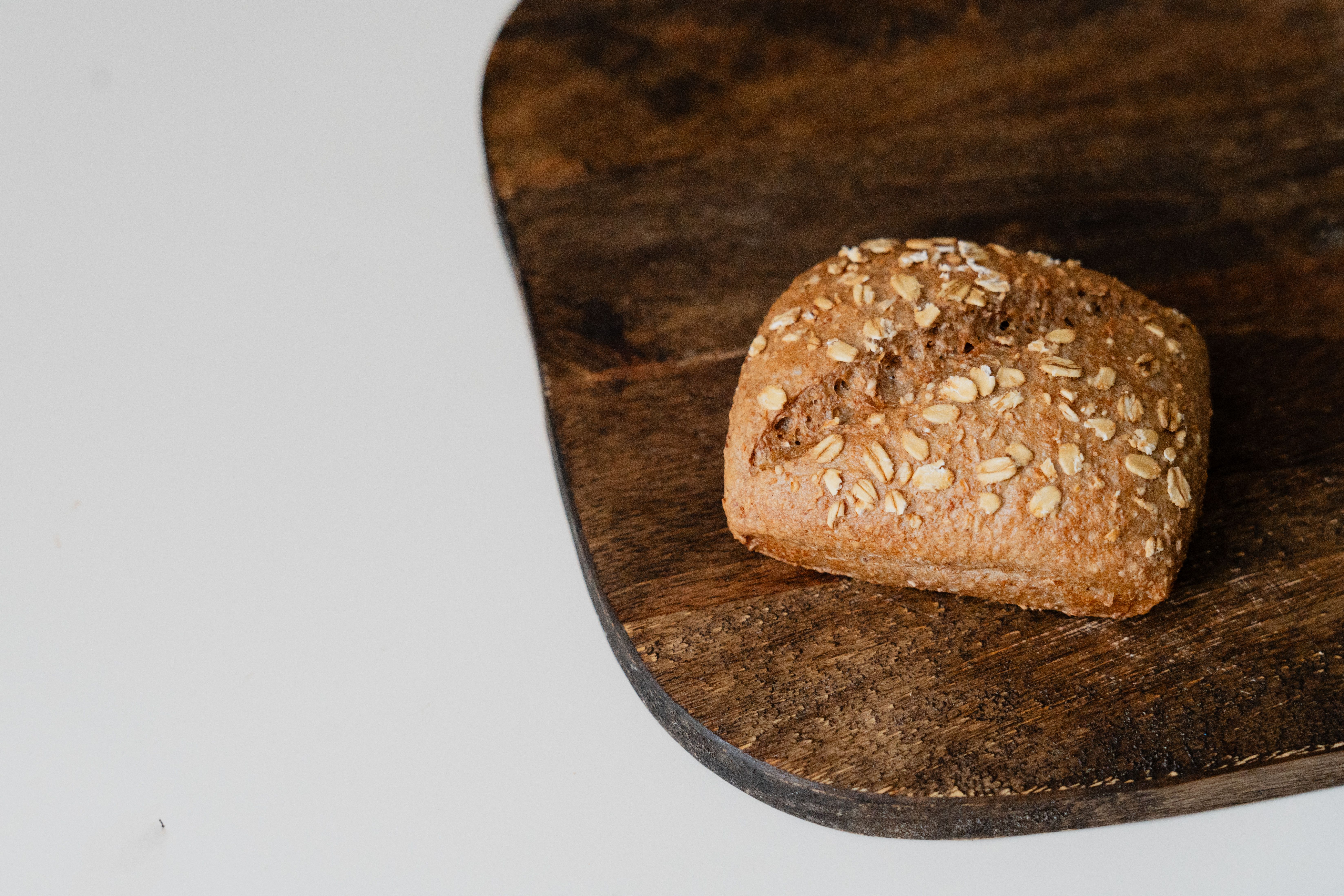
The diets react (see scores below)
Diet Ratings
Grain-based product fundamentally incompatible with ketosis. Whole grain hoagie roll contains approximately 40-50g net carbs per roll, far exceeding the 20-50g daily limit. Added sugars and refined carbohydrates will disrupt ketosis.
Whole grain hoagie rolls are typically made from flour, water, yeast, salt, and oil—all plant-based ingredients. Whole grain varieties provide fiber and nutrients. High score reflects whole-food plant-based status. Verify no dairy, eggs, or honey in specific brand formulations.
Whole grain bread is made from grain (wheat), which is explicitly excluded from paleo diet. Grains contain anti-nutrients (phytic acid, lectins) and were not available to Paleolithic humans. The processing and refined carbohydrate content further violate paleo principles.
Whole grain breads are encouraged as part of the plant-based foundation of Mediterranean diet. Hoagie rolls provide whole grains and can be part of balanced meals with vegetables, legumes, and olive oil.
Some modern Mediterranean guidelines emphasize minimizing refined grains entirely and prioritize legumes and vegetables over bread; traditional Mediterranean cuisines included bread more liberally, making portion and frequency the key moderating factors.
Whole grain bread is a plant-derived grain product and explicitly excluded from carnivore diet. Contains carbohydrates, plant compounds, and typically seed oils or plant-based additives. Fundamentally incompatible with carnivore principles.
Hoagie rolls are bread products made from grains (wheat), which are explicitly excluded on Whole30. Additionally, bread falls under the 'no recreating baked goods' rule that prohibits bread, rolls, and similar grain-based products.
Whole grain bread, including hoagie rolls, is made from wheat flour which contains high levels of fructans (oligosaccharides). Whole grain varieties may contain additional fermentable fiber. High-FODMAP at any standard serving size during elimination phase. Even small portions exceed low-FODMAP thresholds.
Whole grain breads are encouraged in DASH (6-8 servings/day of grains, mostly whole grain). However, hoagie rolls are typically high in sodium (300-500mg per roll) and calories. A single roll may constitute 1-2 grain servings. The whole grain content is positive, but sodium and portion size warrant caution. Low-sodium whole grain rolls would score higher.
Some DASH practitioners view whole grain hoagie rolls as acceptable if sodium is <300mg per serving and used as a single grain serving; others recommend limiting to occasional use due to sodium content and calorie density compared to sliced whole grain bread.
Whole grain bread is a favorable carb source in Zone, but a full hoagie roll (~60-80g) contains 3-4 carb blocks plus significant calories, making it difficult to balance into a single meal without exceeding portion targets. Zone typically recommends 1-2 carb blocks per meal. A half roll or smaller portion could work; full roll requires substantial protein and fat to maintain 40/30/30 ratio, which may exceed practical meal size.
Whole grain bread provides fiber, B vitamins, and some polyphenols, which are anti-inflammatory. However, bread is processed and often contains added sugars, salt, and sometimes refined oils or dough conditioners. The glycemic load of even whole grain bread can trigger modest inflammatory responses in some individuals. Quality matters significantly: artisanal whole grain with minimal additives scores higher than commercial versions with added sugars or preservatives.
Mainstream nutrition science and many anti-inflammatory practitioners (including Dr. Weil) consider whole grain bread acceptable as a staple carbohydrate source due to fiber and micronutrient content. However, stricter anti-inflammatory and paleo-influenced protocols recommend minimizing all bread products, even whole grain, due to processing, potential lectin content, and glycemic impact.
Provides fiber (4-5g per roll) and complex carbs, supporting digestive health and blood sugar stability. However, a single roll is 200-250 calories with only 6-8g protein, making it calorie-dense relative to protein content. In the context of reduced appetite, bread-based foods consume limited eating capacity without sufficient protein density. Best used as a vehicle for high-protein fillings (lean turkey, grilled chicken) rather than standalone.
Controversy Index
Score range: 1–8/10. Higher controversy = more disagreement between diets.
Diet-Specific Tips for Whole grain hoagie roll
 Vegan — 8/10
- Plant-based ingredients only
- Whole grain provides nutritional value
- Check individual brand for hidden animal ingredients (some rolls contain milk or eggs)
 Mediterranean — 8/10
- Whole grain composition
- Plant-based carbohydrate source
- Part of daily grain intake
- Portion size matters for caloric balance
 DASH — 5/10
- Whole grain content aligns with DASH emphasis
- High sodium content (typically 300-500mg per roll)
- Large portion size (1-2 grain servings per roll)
- Low-sodium alternatives available and preferable
 Zone — 5/10
- Whole grain is favorable carb source
- Portion size is the limiting factor
- High glycemic load for single serving
- Better used as half-portion or split across multiple meals
 Anti-Inflammatory — 5/10
- Whole grain provides fiber and micronutrients
- Processing and potential additives reduce anti-inflammatory benefit
- Glycemic load may trigger inflammatory response
- Quality of ingredients varies significantly by brand
 GLP-1 Friendly — 5/10
- Moderate fiber (4-5g per roll)
- Low protein density (6-8g per roll)
- High calorie density relative to protein
- Works best paired with high-protein fillings