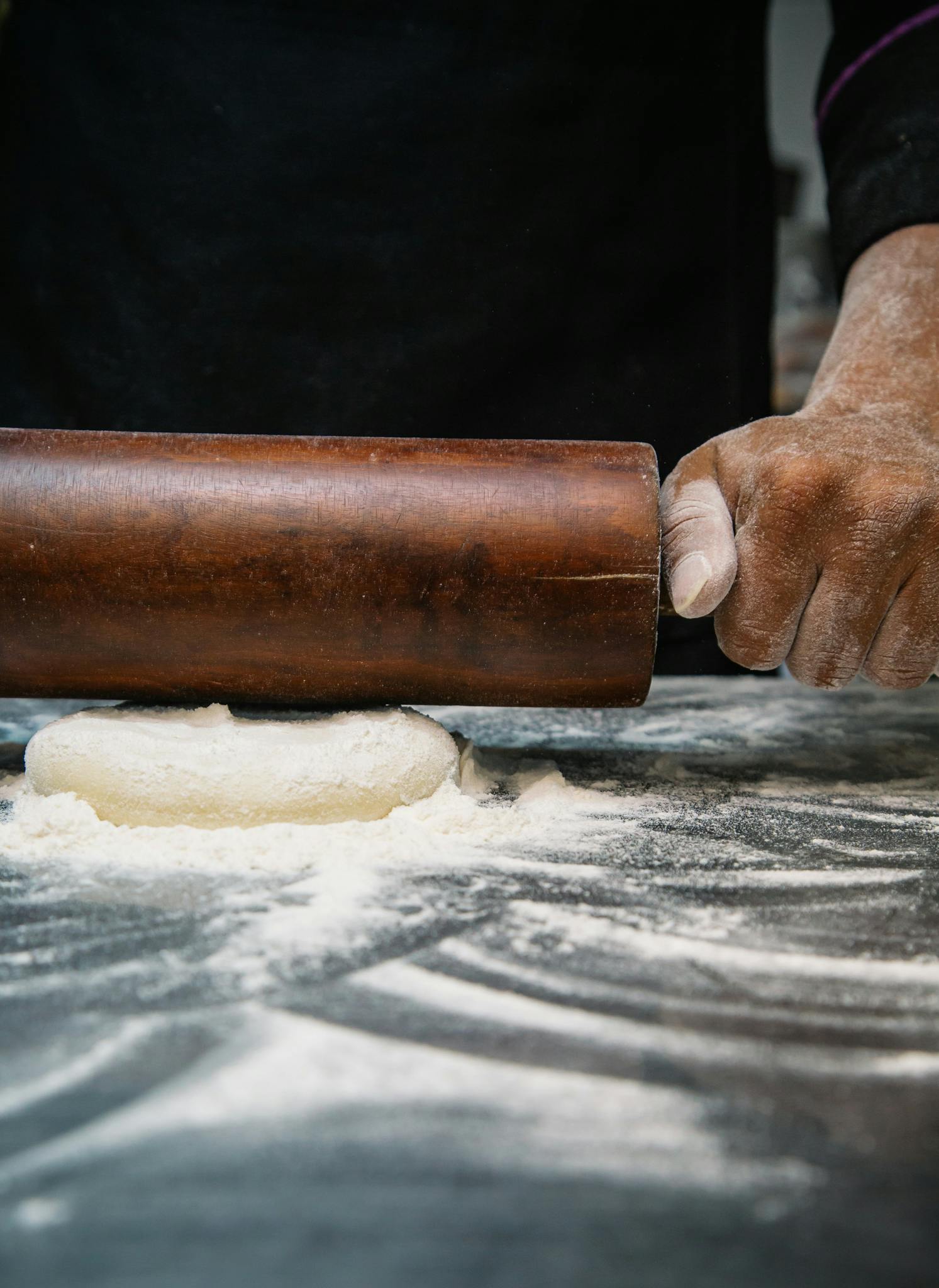
Whole wheat pizza dough
Rated by 11 diets
The diets react (see scores below)
Diet Ratings
Whole wheat pizza dough is a grain-based product with high net carb content. A typical slice (1/8 of a standard pizza) contains 20-30g net carbs depending on thickness, which alone meets or exceeds the daily carb limit. The combination of refined and whole grain carbohydrates makes this fundamentally incompatible with ketosis.
Standard whole wheat pizza dough made from flour, water, yeast, salt, and oil contains no animal products. However, score is slightly lower than raw ingredients because some commercial versions may contain additives or be processed; homemade versions score higher.
Pizza dough made from whole wheat flour is a grain-based processed food explicitly excluded from paleo. Contains wheat, gluten, and typically added salt and possibly yeast. Fundamentally incompatible with paleo principles.
Whole wheat pizza dough is made from whole grain flour and aligns with Mediterranean principles when prepared with minimal added sugars and healthy toppings (vegetables, olive oil, modest cheese). The base itself is a whole grain staple.
Some modern Mediterranean diet guidelines caution that pizza, even whole wheat, can become calorie-dense and processed depending on preparation methods and toppings; traditional Mediterranean diets emphasized bread more than pizza specifically.
Whole wheat pizza dough is a processed grain-based product made from plant flour. It violates core carnivore principles by being plant-derived, grain-based, and typically contains added ingredients like yeast and salt beyond the grain itself.
This violates Whole30 on two counts: (1) wheat is an excluded grain, and (2) pizza dough explicitly falls under the 'no recreating baked goods/junk food' rule. The program prohibits pizza crust and similar grain-based baked items even when made with compliant ingredients.
Whole wheat pizza dough is made from whole wheat flour, which is high in fructans. The fermentation process in pizza dough preparation does not sufficiently reduce fructan content to make it low-FODMAP during the elimination phase. Standard pizza dough servings (1-2 slices) contain high FODMAP levels.
Whole wheat pizza dough itself is a whole grain product aligned with DASH, but the final pizza preparation often introduces high sodium (from cheese, processed toppings, and added salt in dough). The verdict depends heavily on preparation method and toppings. Homemade whole wheat dough with low-sodium toppings scores higher; store-bought or restaurant versions typically exceed sodium limits.
NIH DASH guidelines emphasize whole grains and support whole wheat dough as a base, but the typical pizza preparation (especially commercial versions) violates sodium restrictions. Some DASH practitioners approve whole wheat pizza dough in isolation if homemade with controlled sodium toppings, while others caution against pizza as a meal category due to cumulative sodium from cheese and processed meats.
Whole wheat pizza dough is a grain-based carbohydrate with moderate glycemic index (~51). A typical 2 oz slice provides approximately 2-3 carb blocks, making it a significant carbohydrate commitment in a single meal. While whole wheat is preferable to white flour dough, pizza dough is still classified as an 'unfavorable' carb in Zone protocol. It can be used in Zone meals but requires careful portioning and must be balanced with lean protein and monounsaturated fat. The combination format (typically with cheese and toppings) can help achieve Zone ratios, but the dough itself is not ideal.
Whole wheat pizza dough provides the anti-inflammatory benefits of whole grain flour (fiber, polyphenols, lower glycemic index). However, the final inflammatory profile depends heavily on preparation method (oil type, salt content) and toppings. Plain whole wheat dough with olive oil is anti-inflammatory; dough made with seed oils or excessive salt shifts the profile toward neutral.
Some anti-inflammatory practitioners caution that yeast-fermented dough may increase intestinal permeability in sensitive individuals, though mainstream anti-inflammatory nutrition considers properly fermented whole grain bread acceptable. The verdict assumes standard preparation without excessive salt or refined seed oils.
Whole wheat pizza dough provides fiber and is better than refined dough, but pizza is inherently carbohydrate-heavy and typically low in protein unless topped with high-protein ingredients (chicken, lean meat, cottage cheese). The dough itself contains minimal protein (roughly 5-6g per 2oz), and pizza's fat content (cheese, oils) can worsen GLP-1 side effects. Portion control is difficult due to the appeal of multiple slices.
Nutritional profile
Six traits that cut across every diet.
Fiber & Plants
How much whole-plant food and fiber it delivers.
Healthy Fats
The quality of its fats (unsaturated, omega-3).
Whole / Unprocessed
How close it is to its natural, unprocessed form.
Gut Gentle
How easy it is on digestion (low FODMAP, few irritants).
Low Glycemic
How little it spikes your blood sugar.
Protein Density
How much protein it packs per calorie.
Controversy Index
Score range: 1–8/10. Higher controversy = more disagreement between diets.
Diet-Specific Tips for Whole wheat pizza dough
 Vegan — 8/10
- No animal products in standard formulation
- Whole grain base
- Check commercial brands for additives
- Homemade versions are optimal
 Mediterranean — 8/10
- whole grain base
- preparation method matters
- topping composition critical
- portion control important
 DASH — 5/10
- Whole grain base is DASH-aligned
- Sodium content highly dependent on preparation and toppings
- Often paired with high-sodium cheese and processed meats
- Portion control critical
- Homemade versions with low-sodium toppings are preferable
 Zone — 4/10
- Grain-based carbohydrate (unfavorable in Zone)
- Moderate glycemic index (~51)
- High carb block density per serving (2-3 blocks per 2 oz slice)
- Often paired with higher-fat cheese and processed toppings
- Requires significant protein and fat balancing
 Anti-Inflammatory — 7/10
- whole grain base
- fermentation process
- oil type used in preparation
- sodium content
- toppings determine overall inflammatory load
 GLP-1 Friendly — 4/10
- carbohydrate-dense base
- low protein in dough alone
- typically high fat from cheese and oils
- portion control challenging
- requires lean, high-protein toppings to be GLP-1 appropriate
- may trigger bloating or reflux