The diets react (see scores below)
Diet Ratings
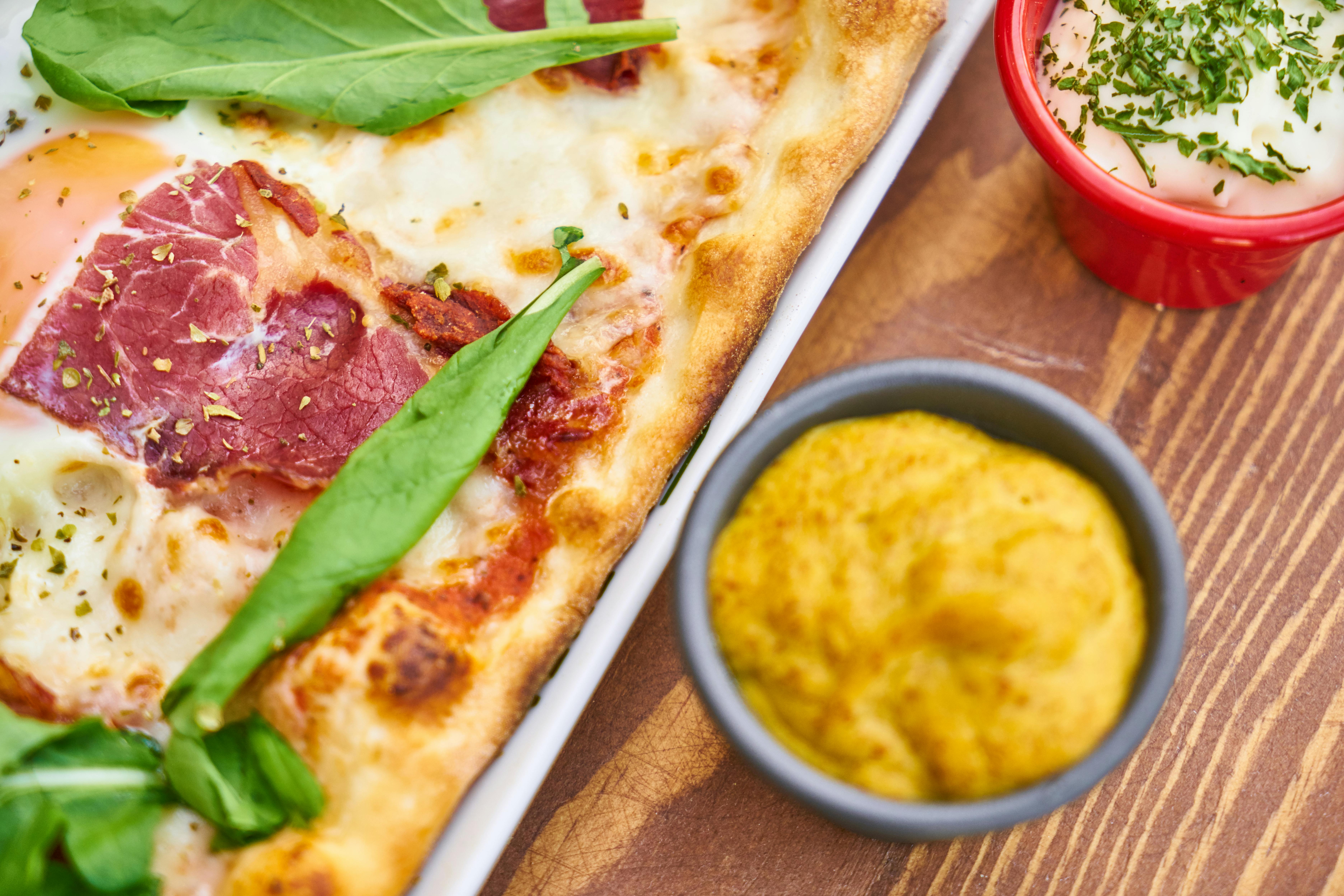
Yellow mustard (standard prepared) contains ~0.5-1g net carbs per tablespoon with no added sugar in most brands. Excellent keto condiment for flavor without carb impact.
Standard yellow mustard is made from mustard seeds, vinegar, and spices with no animal products. Most commercial versions are vegan, though some may contain minor additives worth checking.
Pure mustard seeds and vinegar are paleo-compliant, but commercial yellow mustard often contains added sugars, seed oils, or preservatives. Homemade mustard from mustard seeds and vinegar is acceptable; store-bought versions require ingredient verification.
Strict paleo practitioners avoid all processed condiments including commercial mustard due to potential additives and processing. Some paleo authorities accept pure mustard seed-based versions without added ingredients.
Yellow mustard is a processed condiment that often contains added sugars and sodium. While mustard seeds are traditional, commercial yellow mustard may contain additives. Use sparingly as a flavoring rather than a dietary staple.
Some Mediterranean traditions use whole mustard seeds as a spice, and plain mustard without added sugars aligns with the diet. Check ingredient labels; pure mustard with minimal additives is acceptable in moderation.
Yellow mustard is plant-derived (made from mustard seeds) and typically contains added sugars, plant oils, and other plant-based ingredients. It violates carnivore principles on multiple counts: plant origin, additives, and processing with non-animal ingredients.
Yellow mustard is technically compliant if it contains only mustard seeds, vinegar, salt, and spices with no added sugar or excluded ingredients. However, most commercial yellow mustard brands contain added sugar or other additives. Label reading is essential to find a compliant version.
Official Whole30 guidelines allow mustard as a condiment, but the majority of store-bought yellow mustard contains added sugar or other non-compliant ingredients. Compliant versions exist but require careful label verification.
Yellow mustard (standard condiment) is low-FODMAP. Made from mustard seeds, vinegar, and spices—all low-FODMAP ingredients. Standard serving size (1 tablespoon) is well below FODMAP thresholds. Safe during elimination phase. Check labels for added garlic or onion, which would change rating.
Yellow mustard is low in calories and fat, but contains moderate sodium (typically 120-200mg per tablespoon). Acceptable in small amounts for flavoring, but regular use contributes to daily sodium intake. Standard DASH limit is 2,300mg/day; low-sodium DASH is 1,500mg/day.
Yellow mustard is essentially zero-calorie and zero-macronutrient in typical serving sizes (1 tablespoon ≈ 3 calories, <0.5g carbs, minimal protein/fat). It adds flavor without impacting Zone ratios and contains polyphenols from mustard seeds aligned with anti-inflammatory principles.
Yellow mustard contains mustard seeds (which have some anti-inflammatory compounds like selenium and omega-3s) but is typically consumed in small quantities. Most commercial yellow mustard contains added sugars, salt, and preservatives that offset potential benefits. The anti-inflammatory value depends heavily on brand formulation and quantity used.
Whole mustard seeds are approved in anti-inflammatory cooking for their polyphenol and selenium content, but most commercial yellow mustard products contain additives and added sugars that align it more with processed foods. Some sources distinguish between whole-grain mustard (better) and standard yellow mustard (more processed).
Yellow mustard is essentially calorie-free, fat-free, and adds flavor without digestive burden. Less acidic and less irritating than vinegar-based condiments. Ideal for seasoning lean proteins and vegetables without triggering GLP-1 side effects.
Nutritional profile
Six traits that cut across every diet.
Fiber & Plants
How much whole-plant food and fiber it delivers.
Healthy Fats
The quality of its fats (unsaturated, omega-3).
Whole / Unprocessed
How close it is to its natural, unprocessed form.
Gut Gentle
How easy it is on digestion (low FODMAP, few irritants).
Low Glycemic
How little it spikes your blood sugar.
Protein Density
How much protein it packs per calorie.
Controversy Index
Score range: 2–9/10. Higher controversy = more disagreement between diets.
Diet-Specific Tips for Yellow mustard
 Keto — 9/10
- ~0.5-1g net carbs per tablespoon
- No sugar in standard yellow mustard
- Supports fat digestion
- Verify no added sugars on label
 Vegan — 8/10
- Plant-based condiment
- No animal ingredients in standard versions
- Check label for additives
 Paleo — 5/10
- Often contains added sugars
- May contain seed oils
- Processing concerns
- Ingredient-dependent
 Mediterranean — 5/10
- Often contains added sugars and sodium
- Processed condiment
- Check ingredient labels for additives
- Use sparingly for flavoring
 Whole30 — 5/10
- Most commercial versions contain added sugar
- Compliant versions exist but are less common
- Requires label verification
- Mustard seeds and vinegar are compliant base ingredients
 Low-FODMAP — 8/10
- Mustard seeds are low-FODMAP
- Vinegar base is FODMAP-free
- Standard condiment servings are small
- Verify no garlic/onion additives
 DASH — 5/10
- Moderate sodium content
- Low fat and calories
- Portion control needed
- Low-sodium versions available
 Zone — 9/10
- Negligible macronutrient impact
- Flavor enhancer
- Zero glycemic load
- Polyphenol content from mustard seeds
 Anti-Inflammatory — 5/10
- mustard seed polyphenols (when present)
- added sugars in commercial versions
- sodium content
- processing level
- portion size (typically small)
 GLP-1 Friendly — 8/10
- Zero calories, zero fat
- Mild acidity — less reflux risk than vinegar
- Adds flavor to nutrient-dense foods
- No digestive burden