Argentine
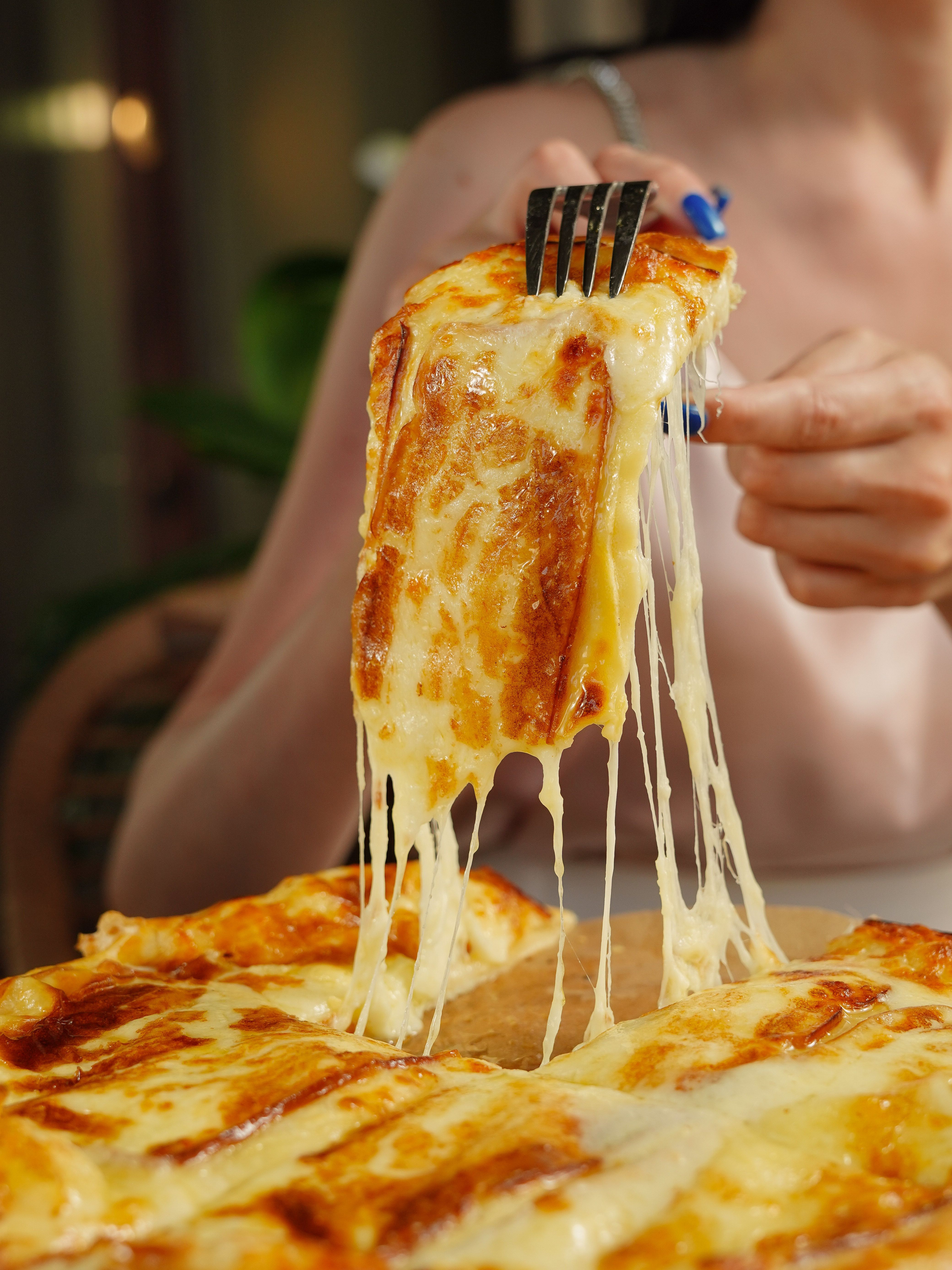
Pastel de Papa
The diets react (see scores below)
Common Ingredients
- ground beef
- potatoes
- onion
- garlic
- bell pepper
- hard-boiled eggs
- green olives
- butter
- milk
Specific recipes may vary.
Incompatible with 7 of 11 diets
Diet Ratings
Pastel de Papa is an Argentine shepherd's pie-style dish where mashed potatoes form the primary topping layer. Potatoes are a high-starch vegetable with approximately 15-17g net carbs per 100g, and the mashed potato crust represents a substantial portion of this dish. A single serving would almost certainly exceed the entire daily net carb budget of 20-50g from the potato layer alone, before accounting for the onion, bell pepper, and milk also contributing additional carbs. While the ground beef, eggs, olives, butter, and garlic are all keto-friendly, the potato component is the defining and dominant feature of this dish and cannot be reduced to a keto-compatible portion without fundamentally altering the recipe. This dish is structurally incompatible with ketosis in its traditional form.
Pastel de Papa is an Argentine shepherd's pie-style dish containing multiple animal products that are strictly excluded from a vegan diet. Ground beef is slaughtered animal flesh, hard-boiled eggs are an animal product, butter is a dairy derivative, and milk is dairy. These are not trace contaminants or processing aids — they are core, structural ingredients of the dish. There is no meaningful debate within the vegan community about any of these ingredients.
Pastel de Papa is an Argentine meat-and-potato pie that contains several non-paleo ingredients. Butter and milk are dairy products excluded under paleo rules. White potatoes are themselves debated within the paleo community but represent the least of the concerns here. Green olives are paleo-friendly, ground beef, eggs, onion, garlic, and bell pepper are all approved, but the dairy components (butter and milk) are clear violations under any mainstream paleo interpretation. The combination of dairy plus white potatoes makes this dish a definitive avoid, despite having a strong paleo-compliant core of beef, eggs, and vegetables.
Some modern paleo frameworks such as Mark Sisson's Primal Blueprint permit butter and even full-fat dairy from grass-fed sources, arguing that the fat fraction is well-tolerated and nutritionally dense. Under a Primal or 80/20 paleo approach, this dish could be adapted — swapping milk for coconut milk and keeping grass-fed butter — and upgraded to a caution-level rating.
Pastel de Papa is an Argentine shepherd's pie-style dish centered on ground beef as the primary protein, topped with mashed potatoes made with butter and milk. Ground beef is red meat, which the Mediterranean diet limits to only a few times per month. The mashed potato topping relies on butter and milk rather than olive oil as the fat source, further conflicting with Mediterranean principles. While individual ingredients like onion, garlic, bell pepper, eggs, and olives are Mediterranean-friendly, the dish as a whole is dominated by red meat and saturated fat from butter, making it a poor fit. The overall dietary pattern — red meat-centric, butter-based, no whole grains or legumes — contradicts core Mediterranean guidelines.
Pastel de Papa is fundamentally incompatible with the carnivore diet. While it contains carnivore-friendly ingredients (ground beef, hard-boiled eggs, butter, and milk), the dish is dominated by plant-based components that are strictly excluded: potatoes form the primary base/topping, onion, garlic, bell pepper, and green olives are all plant foods. No amount of good animal-derived ingredients can offset the fact that the structural foundation of this dish is a mashed potato crust — a starchy, plant-derived carbohydrate. The green olives and vegetable aromatics further compound the violations. This dish cannot be adapted to carnivore without being an entirely different dish.
Pastel de Papa (Argentine shepherd's pie) contains two excluded dairy ingredients: butter and milk. Both are explicitly prohibited on Whole30 — only ghee or clarified butter are allowed as dairy exceptions. The mashed potato topping traditionally uses both butter and milk to achieve its creamy texture, making this dish non-compliant as described. All other ingredients — ground beef, potatoes, onion, garlic, bell pepper, hard-boiled eggs, and green olives — are fully Whole30 compliant. A compliant version could be made by substituting ghee for butter and using full-fat coconut milk or chicken broth in place of dairy milk for the mashed potato topping.
Pastel de Papa (Argentine potato pie with spiced beef) contains multiple high-FODMAP ingredients that make it unsuitable during the elimination phase. Onion and garlic are among the highest-FODMAP foods known — both are rich in fructans and must be strictly avoided even in small amounts. These two ingredients alone are sufficient to classify the dish as 'avoid.' Additionally, milk used in the mashed potato topping contains lactose (high-FODMAP unless lactose-free), and butter in larger amounts can contribute lactose as well (though small amounts of butter are generally low-FODMAP). The remaining ingredients — ground beef, potatoes, bell pepper, hard-boiled eggs, and green olives — are individually low-FODMAP and would otherwise be acceptable. However, the foundational use of whole onion and garlic as aromatics in the beef filling is non-negotiable in this traditional recipe and cannot be reduced to a safe threshold without fundamentally altering the dish.
Pastel de Papa (Argentine shepherd's pie) contains several DASH-unfavorable elements alongside some acceptable ones. Ground beef is a red meat that DASH limits due to saturated fat content; the fat level depends heavily on the lean-to-fat ratio (80/20 vs. 93/7 makes a significant difference). Butter and whole milk in the mashed potato topping add saturated fat and calories inconsistent with DASH's emphasis on low-fat dairy and minimal saturated fat. Green olives contribute notable sodium — a single serving of olives can add 200-400mg of sodium. Hard-boiled eggs are moderately acceptable under current DASH-aligned interpretations. On the positive side, potatoes provide potassium and some fiber, and onion, garlic, and bell pepper are DASH-friendly vegetables that add nutrients without sodium. The dish is not inherently disqualifying, but as typically prepared, the combination of red meat, butter, and olives makes it a 'caution' — acceptable occasionally if modified (leaner beef, low-sodium olives, low-fat milk, olive oil instead of butter).
NIH DASH guidelines explicitly limit red meat and saturated fat from butter, making this dish a poor fit in standard DASH protocols. However, updated clinical interpretations note that a modified version using extra-lean ground beef (≥95% lean), low-fat milk, and minimal olives could fit within DASH's allowances for lean protein and potassium-rich starches — some DASH practitioners would allow this dish occasionally in a calorie-controlled context.
Pastel de Papa (Argentine shepherd's pie) presents significant Zone Diet challenges, primarily due to its potato topping. Potatoes are explicitly flagged by Dr. Sears as a high-glycemic, 'unfavorable' carbohydrate that spikes insulin and disrupts the Zone hormonal balance. The mashed potato crust made with butter and milk compounds the issue: butter adds saturated fat rather than preferred monounsaturated fat, and the overall fat profile skews away from Zone ideals. The ground beef provides protein but is typically higher in saturated fat than lean Zone-approved proteins like skinless chicken or fish. On the positive side, the dish contains several Zone-friendly ingredients: onion, garlic, and bell pepper are favorable low-glycemic vegetables, green olives provide monounsaturated fat, and hard-boiled eggs contribute quality protein. However, in the traditional recipe, potatoes dominate the carbohydrate load and are the structural centerpiece, making it very difficult to achieve a 40/30/30 macro ratio without dramatically restructuring the dish. A small portion could technically be incorporated into a Zone meal with careful block counting, but the dish as traditionally prepared is poorly aligned with Zone principles.
Pastel de Papa is an Argentine shepherd's pie-style dish with a mixed anti-inflammatory profile. On the positive side, it contains garlic, onion, and bell pepper — all of which provide meaningful antioxidants and anti-inflammatory phytonutrients (quercetin, allicin, vitamin C, carotenoids). Hard-boiled eggs contribute choline and selenium. Green olives offer some monounsaturated fats and polyphenols. However, the dish has several pro-inflammatory elements that weigh it down: ground beef is a red meat and a primary source of saturated fat and arachidonic acid, both associated with elevated inflammatory markers (CRP, IL-6) when consumed regularly. Butter adds additional saturated fat, and the milk-enriched mashed potato topping increases the saturated fat load further. The potato base is a starchy, moderate-glycemic component that is not inherently inflammatory but offers little anti-inflammatory benefit. The combination of red meat plus saturated dairy fat places this dish squarely in the 'limit' category per anti-inflammatory guidelines. It is not as aggressively pro-inflammatory as processed meats or fried foods, but it should not be a regular staple for those following an anti-inflammatory diet. Occasional consumption is acceptable; substituting olive oil for butter and lean turkey or lentils for beef would substantially improve its profile.
Pastel de Papa is an Argentine meat-and-potato pie made with seasoned ground beef topped with mashed potatoes enriched with butter and milk. It provides a meaningful protein contribution from ground beef and hard-boiled eggs, and the vegetables (onion, bell pepper, garlic) add modest fiber and micronutrients. However, several features make it a borderline choice for GLP-1 patients. Ground beef is typically 15–20% fat depending on the grind, and the mashed potato topping is made with butter and milk, adding saturated fat and refined carbohydrates with low fiber density. The dish is calorie-dense relative to its nutritional value, and the combination of fat and starchy carbohydrates in a heavy, layered format is harder to digest given GLP-1-slowed gastric emptying. Green olives add small amounts of unsaturated fat and sodium. Hard-boiled eggs are a positive protein contributor. The dish is not fried and not spicy, which avoids two major GLP-1 triggers. A small portion could be acceptable — particularly if made with lean ground beef (90%+ lean), low-fat milk, and a reduced butter quantity — but the standard preparation is too fat-heavy and starch-dense to rate higher than caution.
Some GLP-1-focused dietitians would rate a modified version of this dish more favorably, arguing that the protein from lean beef and eggs combined with the satiety of mashed potato can work well in small portions. Others would push it toward avoid territory due to the saturated fat load from standard ground beef and buttered mash, which can worsen nausea and delayed gastric emptying, particularly in the early weeks of GLP-1 therapy.
*See how scores were generated at our methodology page.
Nutritional profile
Six traits that cut across every diet.
Fiber & Plants
How much whole-plant food and fiber it delivers.
Healthy Fats
The quality of its fats (unsaturated, omega-3).
Whole / Unprocessed
How close it is to its natural, unprocessed form.
Gut Gentle
How easy it is on digestion (low FODMAP, few irritants).
Low Glycemic
How little it spikes your blood sugar.
Protein Density
How much protein it packs per calorie.
Controversy Index
Higher controversy = more disagreement between diets.
Diet-Specific Tips
 DASH — 4/10
View tips
- Ground beef is a red meat limited by DASH guidelines due to saturated fat
- Butter in mashed potato topping adds saturated fat inconsistent with DASH
- Green olives are high in sodium, potentially adding 200-400mg per serving
- Whole milk (if used) conflicts with DASH's low-fat dairy recommendation
- Potatoes provide beneficial potassium and fiber
- Onion, garlic, and bell pepper are DASH-approved vegetables
- Hard-boiled eggs are acceptable in moderation under current DASH interpretations
- Dish can be modified (leaner beef, low-fat milk, olive oil) to improve DASH compatibility
 Zone — 4/10
View tips
- Potatoes are a high-glycemic 'unfavorable' carbohydrate explicitly discouraged by Dr. Sears — they spike insulin and disrupt Zone hormonal balance
- Butter used in mashed topping adds saturated fat, contrary to Zone's preference for monounsaturated fats (olive oil, avocado, almonds)
- Ground beef is a higher saturated fat protein source; Zone prefers leaner options like skinless chicken, fish, or lean cuts
- Bell pepper, onion, garlic are favorable Zone vegetables and contribute positively
- Green olives are a good monounsaturated fat source aligned with Zone recommendations
- Hard-boiled eggs provide quality protein but also add saturated fat
- Dish structure (potato-dominated carb load) makes achieving 40/30/30 ratio very difficult without major modification
- Traditional portions would deliver a heavy carbohydrate surplus with the wrong glycemic profile
 Anti-Inflammatory — 4/10
View tips
- Ground beef is a red meat high in saturated fat and arachidonic acid — both categorized as pro-inflammatory by anti-inflammatory diet frameworks
- Butter adds additional saturated fat to the mashed potato topping
- Garlic, onion, and bell pepper contribute anti-inflammatory phytonutrients (allicin, quercetin, vitamin C, carotenoids)
- Green olives provide modest polyphenols and monounsaturated fat
- Hard-boiled eggs are a moderate/neutral ingredient with some anti-inflammatory micronutrients
- Mashed potato topping (milk, butter) is high glycemic and saturated-fat dense — no omega-3s or meaningful antioxidants
- No omega-3 fatty acids, no anti-inflammatory oils (e.g., EVOO), no anti-inflammatory spices (e.g., turmeric, ginger)
 GLP-1 Friendly — 5/10
View tips
- Moderate-to-high fat content from standard ground beef, butter, and milk
- Mashed potato topping is starchy with low fiber density
- Hard-boiled eggs and ground beef provide meaningful protein
- Vegetables contribute micronutrients and modest fiber
- Heavy, layered texture may be difficult to digest with slowed gastric emptying
- Not fried and not spicy — avoids two major GLP-1 side effect triggers
- Portion-sensitive: small servings of a leaner modified version are more acceptable
- Butter and whole milk in mashed topping add unnecessary saturated fat