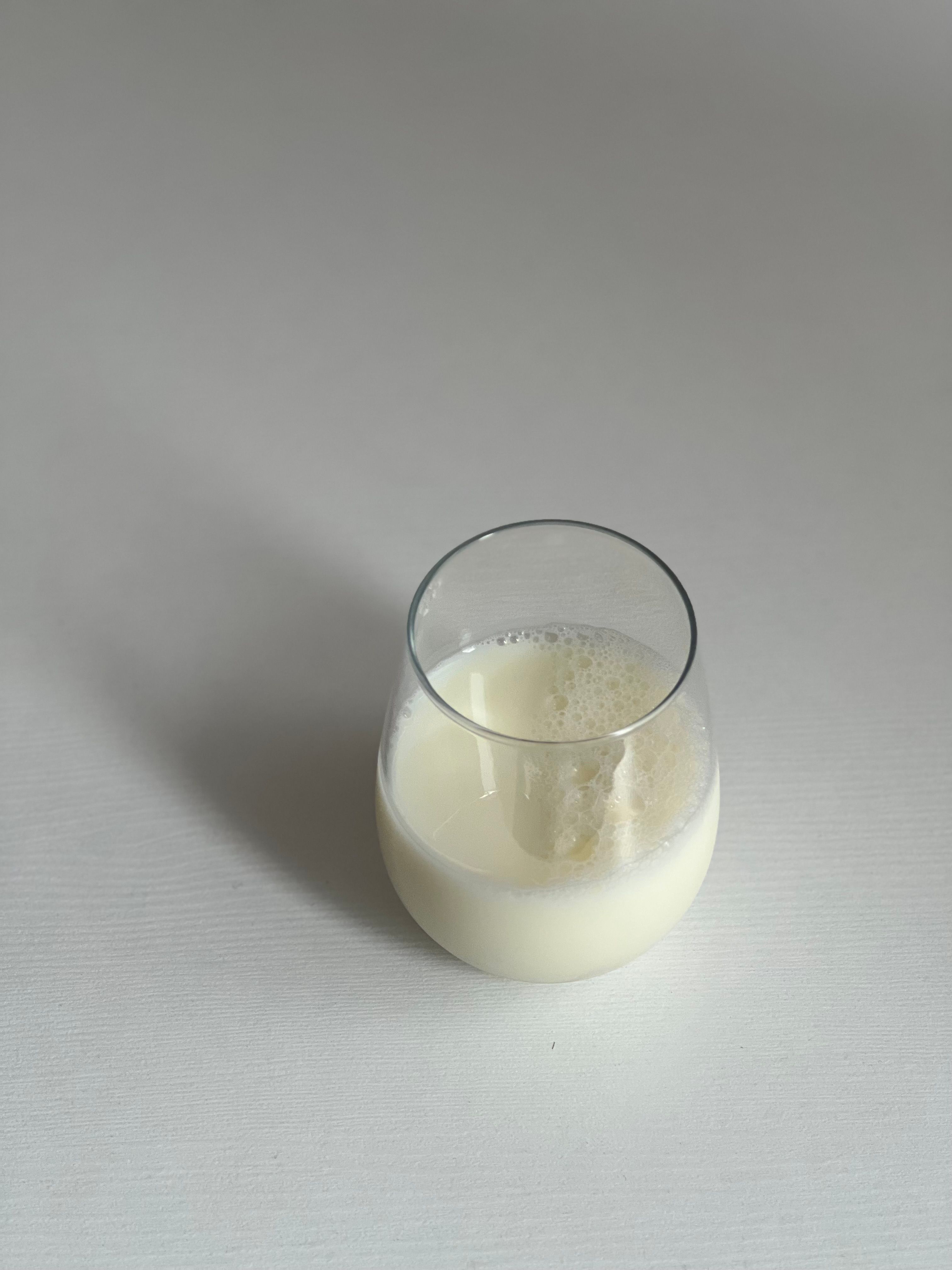
Photo: Khatia Kulishvili / Pexels
The diets react (see scores below)
Common Ingredients
- yogurt
- water
- salt
- dried mint
- ice
Specific recipes may vary.
Incompatible with 4 of 11 diets
Diet Ratings
Tan is a traditional Armenian yogurt-based drink made by diluting plain yogurt with water and salt, flavored with dried mint and served chilled. The key keto concern is the yogurt itself. Plain whole-milk yogurt contains roughly 4-6g of net carbs per 100g (primarily from lactose). A typical serving of Tan (~250ml) could easily contain 6-10g of net carbs depending on the yogurt-to-water ratio and the type of yogurt used. This is manageable within daily keto limits if portion-controlled, but it is not a freely consumable food. The drink lacks fat (yogurt fat diluted with water) and protein is minimal, so it does not strongly align with keto macros beyond being low-carb in moderate servings. Dried mint and salt contribute negligible carbs. The verdict is caution: acceptable in small to moderate portions for most keto practitioners, but easy to overconsume and carbs can add up.
Strict keto and carnivore-adjacent practitioners often exclude all dairy ferments including yogurt drinks due to lactose (a disaccharide sugar) potentially triggering an insulin response and stalling ketosis, arguing no yogurt-based beverage is truly keto-safe regardless of portion size.
Tan is a traditional Armenian chilled yogurt drink made by diluting yogurt with water, salt, dried mint, and ice. The primary ingredient is yogurt, which is a dairy product derived from animal milk. Dairy is unambiguously excluded from a vegan diet. All other ingredients (water, salt, dried mint, ice) are fully plant-based, but the yogurt makes this dish incompatible with veganism. A vegan version could theoretically be made using plant-based yogurt (e.g., coconut or soy yogurt), but the traditional dish as described is not vegan.
Tan is an Armenian chilled yogurt drink made from yogurt, water, salt, dried mint, and ice. The primary issue is yogurt, which is a dairy product and clearly excluded from the paleo diet. All dairy — including fermented forms like yogurt — is prohibited under paleo guidelines due to its post-agricultural origins and problematic proteins (casein) and sugars (lactose). Additionally, added salt is excluded under strict paleo rules. The only paleo-compliant ingredients in this dish are water, dried mint, and ice. The dish is fundamentally built on a non-paleo base and cannot be made paleo-compliant without replacing its defining ingredient.
Tan is a traditional Armenian yogurt-based drink made from diluted yogurt, water, salt, and dried mint. Yogurt (dairy) is acceptable in the Mediterranean diet in moderate amounts, and this drink is minimally processed with no added sugars or refined ingredients. The herbs and minimal salt are fine. However, dairy falls into the 'moderate' category rather than being a staple, placing this in caution territory. The drink is light, probiotic-rich, and far healthier than sugary beverages, but it is not a plant-forward food or olive oil-based preparation.
Some Mediterranean diet practitioners, particularly those drawing from Eastern Mediterranean and Levantine traditions (which overlap with Armenian culinary heritage), view fermented dairy like yogurt drinks as a core component of the diet's probiotic and gut-health benefits, potentially warranting a higher approval rating. Traditional Mediterranean populations in Greece, Turkey, and the Levant regularly consume ayran and similar yogurt drinks as dietary staples.
Tan is an Armenian chilled yogurt drink made with yogurt, water, salt, dried mint, and ice. While yogurt is an animal product (dairy), the dish contains two problematic elements: dried mint is a plant-based ingredient that violates strict carnivore rules, and yogurt itself is a heavily debated dairy product within the carnivore community. The combination of a plant herb (mint) with already-debated dairy pushes this firmly toward 'avoid' rather than 'caution.' Even practitioners who include dairy would typically reject the addition of plant-based herbs. The dish is essentially a plant-seasoned dairy beverage, making it incompatible with carnivore principles beyond the most liberal 'animal-based' interpretations.
A small minority in the 'animal-based' camp (Saladino-influenced) might tolerate plain yogurt as a dairy inclusion, but even they would object to the dried mint, a plant compound. No mainstream carnivore authority would endorse plant herbs as acceptable additions.
Tan is an Armenian yogurt-based drink made by diluting yogurt with water, salt, and dried mint. The primary and disqualifying ingredient is yogurt, which is explicitly excluded on Whole30 as a dairy product. Yogurt falls squarely within the dairy exclusion list (milk, cheese, sour cream, yogurt are all named as excluded). The only dairy exception permitted on Whole30 is ghee and clarified butter. All other ingredients — water, salt, dried mint, and ice — are fully compliant, but the yogurt base makes this dish incompatible with the program regardless.
Tan is a traditional Armenian chilled yogurt drink made by diluting yogurt with water and seasoning with salt, dried mint, and ice. The primary FODMAP concern is the yogurt base, which contains lactose (a disaccharide). Per Monash University, plain yogurt is high-FODMAP at standard servings (around 200g) due to lactose content, but low-FODMAP at small portions (~125g low-fat yogurt). When yogurt is diluted with water to make Tan, the total lactose per serving depends on the yogurt-to-water ratio — a heavily diluted drink could bring lactose down to a tolerable level, but a thicker, less diluted preparation would be high-FODMAP. Dried mint and salt contribute negligible FODMAPs. The dish's FODMAP status is therefore highly serving- and dilution-dependent. At a typical serving of Tan (roughly 1 cup/240ml with a common 1:1 yogurt-to-water ratio), the lactose load is likely borderline, making 'caution' the appropriate verdict during elimination phase.
Monash University rates plain low-fat yogurt as low-FODMAP only at 125g; clinical FODMAP practitioners generally advise avoiding regular yogurt during strict elimination regardless of dilution, as lactose content is difficult to estimate in a home-prepared diluted drink. Lactose-free yogurt could be substituted to make Tan confidently low-FODMAP.
Tan is a traditional Armenian yogurt drink made by diluting yogurt with water, adding salt, dried mint, and serving over ice. The yogurt base is DASH-friendly — providing calcium, protein, potassium, and probiotics — but the critical variable is the salt content. Traditional Tan is notably salty, often containing 300–600mg or more of sodium per serving depending on preparation, which can meaningfully impact a DASH dieter's daily sodium budget (especially under the stricter 1,500mg/day threshold). DASH explicitly recommends low-fat or fat-free dairy; the yogurt used in Tan is often whole-milk, adding some saturated fat concern. If made with low-fat yogurt and minimal or no added salt, Tan would be an excellent DASH-compatible beverage. As traditionally prepared, it warrants caution due to sodium and potential full-fat dairy content.
NIH DASH guidelines specify low-fat dairy and limited sodium, which flags traditional Tan due to its salt addition and possible whole-milk yogurt base. However, updated clinical interpretations increasingly recognize that full-fat fermented dairy (like yogurt) may not adversely affect cardiovascular outcomes, and some DASH-oriented practitioners now focus primarily on sodium reduction — meaning a low-sodium version of Tan made with low-fat yogurt could reasonably be approved.
Tan is a traditional Armenian yogurt-based drink made by diluting yogurt with water, salt, dried mint, and ice. As a Zone food, it functions primarily as a protein and fat source via the yogurt, with a small carbohydrate contribution from the lactose. Plain low-fat yogurt is a recognized Zone-friendly protein and fat source, and diluting it with water simply reduces calorie density without disrupting the macro profile. The challenge is that tan, as typically consumed, provides protein and fat but minimal carbohydrates — making it an incomplete Zone meal on its own (it lacks the 40% carb block contribution). It would need to be paired with low-glycemic carbohydrates (e.g., fresh berries, vegetables) to hit the 40/30/30 target. If made with full-fat yogurt, saturated fat content rises, which is less ideal in Zone. If made with low-fat or non-fat yogurt, it aligns better. As a beverage or side dish accompanying a Zone-balanced breakfast, it fits reasonably well. The dried mint adds negligible macros but contributes polyphenols, which Sears values in his anti-inflammatory framework.
Sears' earlier Zone writings were more cautious about dairy fat and full-fat yogurt due to saturated fat concerns, steering toward low-fat dairy. His later anti-inflammatory work (The Zone Diet and Inflammation) somewhat softened this stance, acknowledging that fermented dairy like yogurt has additional benefits. Zone practitioners may differ on whether full-fat vs. low-fat yogurt is preferable, affecting the score modestly in either direction.
Tan is a traditional Armenian chilled yogurt drink made by thinning yogurt with water and seasoning with salt and dried mint. It is essentially a diluted yogurt beverage similar to Turkish ayran or Persian doogh. The anti-inflammatory profile is mixed. Yogurt contributes live probiotic cultures (Lactobacillus, Bifidobacterium), which have documented anti-inflammatory effects via gut microbiome modulation and reduced intestinal permeability. Dried mint adds modest anti-inflammatory polyphenols (rosmarinic acid, luteolin). However, yogurt is a low-fat dairy product that falls into the 'moderate' category in anti-inflammatory frameworks — it contains some saturated fat and the dairy protein casein is flagged by some authorities as mildly pro-inflammatory. The dilution with water and absence of added sugar are positives. Salt is neutral in this context. Overall, Tan is a relatively clean, minimally processed beverage with probiotic benefit, but dairy's contested status in anti-inflammatory nutrition prevents a full approval.
Dr. Weil's anti-inflammatory framework treats low-fat dairy as acceptable in moderation and fermented dairy (yogurt, kefir) favorably for its probiotic content and reduced lactose. However, Autoimmune Protocol (AIP) and some functional medicine practitioners (including those following strict anti-inflammatory protocols) exclude all dairy — including yogurt — due to casein's potential to trigger immune responses and increase intestinal permeability in sensitive individuals, particularly those with autoimmune conditions.
Tan is a traditional Armenian yogurt-based drink made by thinning yogurt with water and salt, flavored with dried mint and served cold. It is essentially a diluted yogurt beverage similar to ayran or doogh. On the positive side, it provides moderate protein from yogurt (roughly 5-8g per cup depending on dilution ratio and yogurt type), excellent hydration support from its high water content, easy digestibility, very low fat if made with low-fat yogurt, and minimal calories — all properties that align well with GLP-1 dietary needs. The mint may actually soothe mild nausea, a common GLP-1 side effect. However, as a breakfast item on its own, Tan falls short on protein density (GLP-1 patients need 15-30g per meal) and provides essentially no fiber. It functions better as a hydrating complement to a protein- and fiber-rich meal than as a standalone breakfast. If made with full-fat yogurt, saturated fat content rises and the score would drop further.
Some GLP-1-focused dietitians would view Tan positively as a hydration and electrolyte tool on days of poor appetite or nausea, when any nutrient intake is better than none. Others would flag that even moderate dairy can trigger temporary lactose sensitivity in GLP-1 patients, and that the low protein-per-calorie ratio at breakfast undermines the primary dietary goal of hitting protein targets in small eating windows.
*See how scores were generated at our methodology page.
Nutritional profile
Six traits that cut across every diet.
Fiber & Plants
How much whole-plant food and fiber it delivers.
Healthy Fats
The quality of its fats (unsaturated, omega-3).
Whole / Unprocessed
How close it is to its natural, unprocessed form.
Gut Gentle
How easy it is on digestion (low FODMAP, few irritants).
Low Glycemic
How little it spikes your blood sugar.
Protein Density
How much protein it packs per calorie.
Controversy Index
Higher controversy = more disagreement between diets.
Diet-Specific Tips
 Keto — 5/10
View tips
- Yogurt contains lactose (~4-6g net carbs per 100g), making portion size critical
- Dilution with water lowers carb density per serving but total intake must be tracked
- No added sugar, grains, or high-carb ingredients beyond yogurt
- Low fat content after dilution weakens keto macro alignment
- Salt and dried mint are keto-neutral
- A small serving (150-200ml) can fit within daily carb limits; larger servings risk exceeding them
 Mediterranean — 5/10
View tips
- Yogurt is a fermented dairy product — acceptable in moderation per Mediterranean guidelines
- No added sugars, refined grains, or processed ingredients
- Minimally processed, whole-food ingredients only
- Dried mint adds beneficial herbs — consistent with Mediterranean flavor traditions
- Dairy is categorized as moderate, not a primary staple
- Light, hydrating beverage with probiotic potential
 Low-FODMAP — 5/10
View tips
- Yogurt contains lactose — primary FODMAP concern
- Lactose level depends heavily on yogurt-to-water dilution ratio and serving size
- Dried mint is low-FODMAP and safe
- Salt and ice contribute no FODMAPs
- Lactose-free yogurt substitution would make this dish safe during elimination
- Standard serving of Tan likely pushes lactose above low-FODMAP threshold
 DASH — 5/10
View tips
- Yogurt provides DASH-valued calcium, potassium, and protein
- Added salt is a significant concern — traditional Tan can be high in sodium
- DASH specifies low-fat dairy; whole-milk yogurt adds saturated fat
- No added sugar, artificial ingredients, or processed components
- Low-sodium, low-fat version would score 7–8 and likely be approved
- Mint and water are DASH-neutral and beneficial for hydration
 Zone — 6/10
View tips
- Yogurt provides protein and fat blocks but minimal carbohydrate — incomplete as a standalone Zone meal
- Low-fat yogurt preferred over full-fat to minimize saturated fat per classic Zone guidelines
- Dilution with water reduces calorie density without disrupting macronutrient ratios
- Dried mint contributes polyphenols aligned with Sears' anti-inflammatory focus
- Needs pairing with low-glycemic carbohydrates (fruit, vegetables) to complete a Zone-balanced meal
- Fermented dairy has recognized benefits in Zone's anti-inflammatory framework
 Anti-Inflammatory — 5/10
View tips
- Probiotic cultures in yogurt support gut health and reduce inflammatory markers
- Low-fat dairy falls in the 'moderate' category per anti-inflammatory guidelines
- Dried mint provides modest polyphenols with anti-inflammatory properties
- No added sugar, no processed ingredients, no seed oils
- Salt is neutral at typical culinary quantities
- Dairy is excluded entirely in AIP and some strict anti-inflammatory protocols
- Dilution with water reduces caloric density without altering inflammatory profile
 GLP-1 Friendly — 5/10
View tips
- Moderate protein from yogurt but insufficient as a standalone breakfast (below 15g threshold)
- Excellent hydration support — high water content directly addresses reduced thirst on GLP-1s
- Near-zero fiber — does not support the fiber priority
- Low calorie density is a double-edged factor: good for GLP-1 appetite suppression but risks nutritional insufficiency if not paired with protein and fiber sources
- Mint may soothe GLP-1-related nausea
- Fat content is portion- and yogurt-type-dependent — low-fat yogurt strongly preferred
- No fiber to support digestion or constipation prevention
- Best used as a beverage complement, not a meal replacement