Photo: Golboo Maghooli / Pexels
Azerbaijani
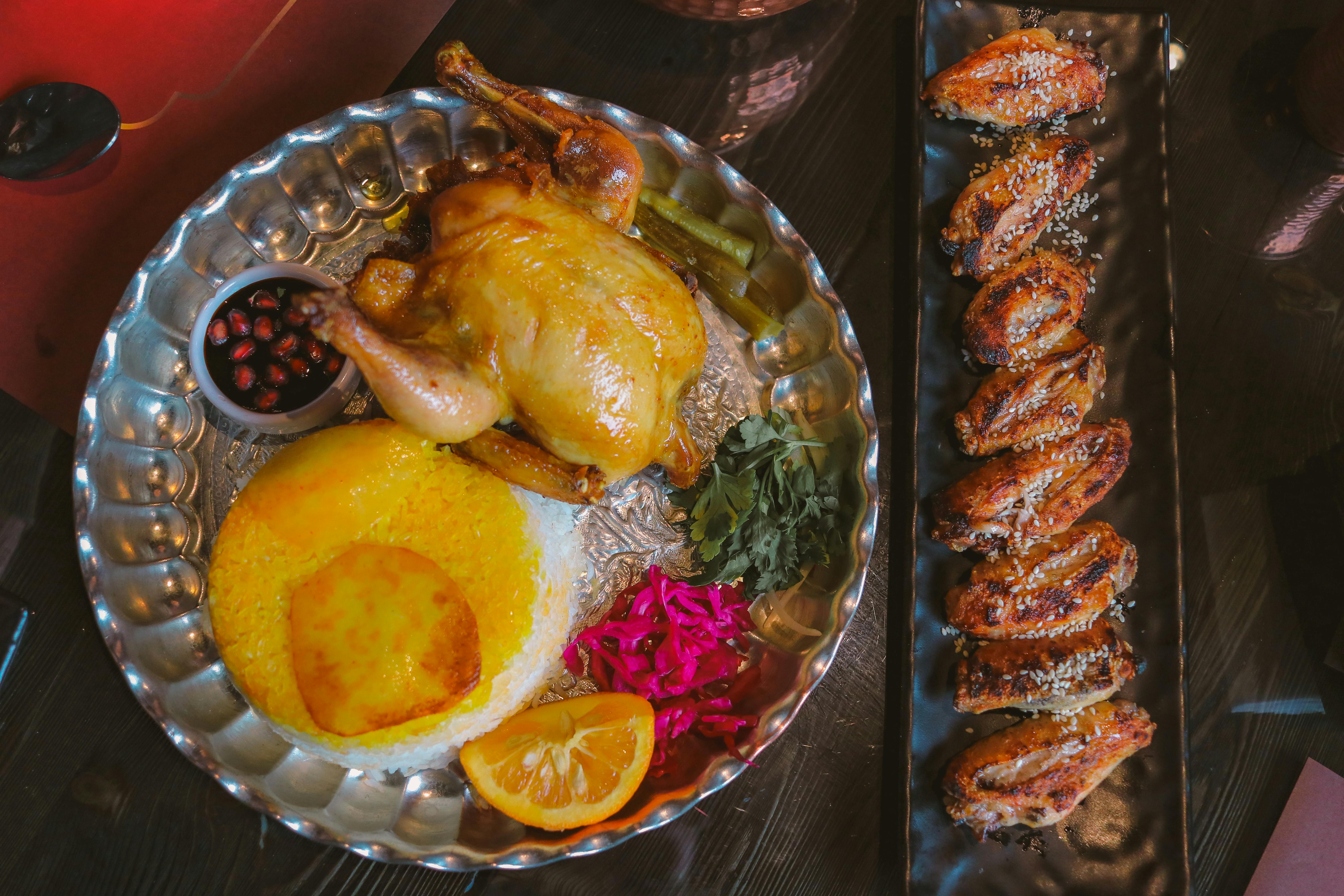
Lavangi
The diets react (see scores below)
Common Ingredients
- fish
- chicken
- walnuts
- onion
- sour plum paste
- garlic
- salt
- herbs
Specific recipes may vary.
Incompatible with 3 of 11 diets
Diet Ratings
Lavangi is an Azerbaijani stuffed dish (fish or chicken filled with a walnut-onion-herb mixture) where most ingredients are keto-friendly — fish or chicken provides quality protein, walnuts offer healthy fats and moderate carbs, garlic and herbs are fine in small amounts. The critical problem is sour plum paste (from cornelian cherries or sour plums), which is a concentrated fruit paste high in sugars and net carbs. This ingredient alone can push a serving well over acceptable keto limits. Without the plum paste or with a minimal amount, the dish would be largely keto-compatible. As traditionally prepared, the sour plum paste is central to the flavor profile and used in meaningful quantities, making the dish a caution at best and potentially an avoid depending on serving size and paste quantity.
Some lazy keto or flexible keto practitioners may approve a modified version with the plum paste reduced or substituted with lemon juice and a small amount of tart berries, arguing the walnut-and-protein base is fundamentally sound. Strict keto adherents would categorize the traditional preparation as avoid due to zero tolerance for fruit-based pastes and added sugars.
Lavangi is a traditional Azerbaijani stuffed dish where fish or chicken is filled with a walnut-onion-sour plum paste mixture. Both primary protein options — fish and chicken — are animal products and are strictly excluded from a vegan diet. There is no plant-based version of this dish; the animal protein is the defining, central component of Lavangi, not an optional addition. The walnut-based stuffing ingredients (walnuts, onion, sour plum paste, garlic, herbs) are plant-based, but they cannot redeem the dish when the primary ingredient is invariably animal-derived.
Lavangi is a traditional Azerbaijani stuffed dish featuring either fish or chicken filled with a walnut, onion, garlic, sour plum paste, and herb mixture. Most ingredients are strongly paleo-compliant: fish and chicken are ideal proteins, walnuts are approved nuts, onion and garlic are paleo vegetables, and fresh herbs are fully approved. The sour plum paste (typically made from cornelian cherry or sour plums) is a naturally fermented or reduced fruit product — paleo in origin, but the concentration of natural sugars and possible addition of salt or preservatives in commercial versions raises concern. Salt is explicitly excluded under strict paleo rules, and in traditional preparations salt is almost certainly added. The sour plum paste, if homemade and pure, sits in a gray zone similar to other fruit-based condiments. The combination of added salt and potentially processed sour plum paste pulls this dish from a clean approve into caution territory.
Strict Cordain-school paleo would push this toward avoid primarily due to added salt and any commercially prepared sour plum paste with preservatives or additives. However, practitioners following Mark Sisson's Primal Blueprint or the Wahls Protocol would likely approve a homemade version with unprocessed plum paste and minimal salt, viewing the whole-food ingredient list as essentially ancestral.
Lavangi is an Azerbaijani stuffed dish where fish or chicken is filled with a walnut-onion-sour plum paste mixture. When made with fish, it aligns very well with Mediterranean principles: fish is a core protein, walnuts provide heart-healthy fats and are a Mediterranean staple, onion, garlic, and herbs are foundational plant-based ingredients, and sour plum paste adds flavor naturally without refined sugars. The overall ingredient profile is whole-food, plant-forward with quality protein. The chicken version is slightly less ideal than fish but still fits within moderate poultry consumption guidelines. No refined grains, processed ingredients, or added sugars are present.
The chicken version would push the score toward the lower end of 'approve' or upper 'caution' range, as poultry is considered a moderate rather than emphasized food. Additionally, some Mediterranean diet purists may note that sour plum paste, depending on preparation, could contain added sugars, warranting scrutiny of the specific product used.
Lavangi is a traditional Azerbaijani stuffed dish where fish or chicken is filled with a mixture of walnuts, onion, sour plum paste, garlic, and herbs. While the protein base (fish or chicken) is carnivore-compatible, the stuffing is almost entirely plant-derived. Walnuts are a seed/nut (strictly excluded), onion is a vegetable (excluded), sour plum paste is a fruit-derived condiment (excluded), garlic is a plant (excluded), and herbs are plant matter (excluded). The dish as prepared cannot be adapted to carnivore without completely removing the defining filling that makes it Lavangi. The animal protein component is incidental — the dish is defined by its plant-based stuffing. No version of this dish as traditionally prepared is compatible with the carnivore diet.
Lavangi is an Azerbaijani stuffed dish (fish or chicken filled with a walnut-onion-sour plum mixture) whose core ingredients are largely Whole30-compatible: fish or chicken (protein), walnuts (natural fat), onion, garlic, salt, and fresh herbs are all approved. The main uncertainty lies in the 'sour plum paste' (typically made from cornelian cherry or tkemali-style plums). If it is simply pureed/cooked sour plums with no added sugar, sulfites, or other excluded additives, it is compliant — fruit-based pastes without added sugar are allowed. However, commercially prepared sour plum pastes very commonly contain added sugar, preservatives, or other excluded ingredients, so label-reading is essential. Assuming a homemade or verified-compliant plum paste, the dish is approvable in spirit and ingredients.
Official Whole30 guidelines would approve this dish if made with a clean, additive-free sour plum paste (whole fruit cooked down = compliant). However, community practitioners note that commercially prepared fruit pastes and condiments frequently hide added sugars or sulfites, and caution that without verified-clean sourcing, this dish carries real non-compliance risk — making 'caution' the safer practical rating.
Lavangi contains multiple high-FODMAP ingredients that make it unsuitable during the elimination phase. Onion is one of the highest-FODMAP foods tested by Monash University, containing significant fructans at any culinary quantity. Garlic is similarly high-FODMAP due to fructans and must be avoided entirely during elimination (even small amounts used in cooking). Sour plum paste is derived from stone fruits (plums), which are high in polyols (sorbitol) — a concentrated paste would represent an even higher polyol load than eating the fruit directly. These three ingredients alone make the dish a clear avoid. The fish or chicken base and walnuts are themselves low-FODMAP, but the stuffing/filling mixture in which these high-FODMAP ingredients play a central role cannot be separated or easily modified in the traditional preparation.
Lavangi is an Azerbaijani stuffed dish where fish (commonly carp or sturgeon) or chicken is filled with a walnut-onion-sour plum paste mixture and baked or roasted. Many of its core ingredients align well with DASH principles: fish provides lean omega-3-rich protein, chicken (especially white meat, skinless) is a DASH-approved lean protein, walnuts are a DASH-recommended nut source of healthy fats and magnesium, onion, garlic, and herbs are all DASH-friendly, and sour plum paste contributes potassium and antioxidants. However, walnuts are calorie-dense and the dish requires portion control for fat intake. The primary concern is salt: traditional Azerbaijani preparation can involve meaningful added salt, and the amount is home/restaurant-dependent. Sour plum paste (depending on preparation) may also contain added sodium or sugar. The dish is not processed or high in saturated fat, but sodium control during preparation is the key variable. Overall, this is a nutritionally sound dish when prepared with moderate salt, making it acceptable in moderation rather than a core DASH staple.
NIH DASH guidelines do not specifically address this dish, and the walnut-heavy stuffing means fat content (even if mostly unsaturated) is substantial — some conservative DASH clinicians would urge strict portion limits. Conversely, updated cardiovascular nutrition perspectives increasingly recognize walnuts and oily fish as cardioprotective, potentially elevating this dish toward a stronger approval if sodium is controlled during preparation.
Lavangi is an Azerbaijani stuffed dish where fish or chicken is filled with a walnut-onion-sour plum paste mixture. The protein base (fish or chicken) is excellent from a Zone perspective — lean, clean protein that fits neatly into Zone blocks. Walnuts provide fat, though they are higher in omega-6 than ideal Zone fats like olive oil or macadamia nuts; they do offer some omega-3s and are considered 'favorable' fats in Zone. The key variable is the sour plum paste (alycha or similar): plum-based pastes can carry moderate sugar content depending on preparation, pushing the carb portion toward higher glycemic territory, though fruit-based carbs are still preferable to grain-based carbs. Onion, garlic, and herbs are all Zone-favorable, low-glycemic vegetables. The dish's macro ratio challenge is that the walnut filling is calorie-dense in fat, and depending on the quantity of plum paste used, carbs may spike. With portion control — particularly limiting the walnut-plum stuffing volume relative to the protein — this dish can be brought into reasonable Zone balance. It is not a clean Zone meal out of the box, but it is workable with mindful portioning.
Some Zone practitioners would rate this higher (approve, 7) when made with fish, noting that the omega-3s from fish combined with walnut's mixed fatty acid profile and the polyphenol content of plum and herbs aligns with Sears' later anti-inflammatory dietary emphasis in 'The Zone Diet' and 'Toxic Fat.' Others would flag the sour plum paste as potentially too high-sugar to be a favorable carb source, especially if sweetened, pushing the score down to a 5.
Lavangi is a traditional Azerbaijani stuffed dish where fish (typically whole carp or sturgeon) or chicken is filled with a walnut-onion-sour plum paste mixture and baked. The ingredient profile is strongly aligned with anti-inflammatory principles. Walnuts are one of the best plant-based sources of omega-3 fatty acids (ALA) and polyphenols, and are explicitly emphasized in Dr. Weil's Anti-Inflammatory Food Pyramid. Fish as the primary protein provides additional omega-3s (EPA/DHA), especially if fatty fish like carp or trout is used. Garlic and herbs (likely including cilantro, dill, or parsley common in Azerbaijani cuisine) contribute anti-inflammatory polyphenols and organosulfur compounds. Sour plum paste (from cornelian cherry or other tart plums) is rich in anthocyanins and vitamin C, both associated with reduced oxidative stress and inflammation. Onion provides quercetin, a well-researched anti-inflammatory flavonoid. The dish is minimally processed, whole-food based, uses no refined oils or added sugars, and is typically baked rather than fried. The chicken variant is slightly less optimal than the fish variant (lean poultry is 'moderate' vs. fish which is 'emphasize'), but both versions score well overall. The primary limitation is that cooking method and any oil used are not specified — if butter or seed oils are used in preparation, the score would be modestly reduced.
The chicken version uses poultry rather than fish, which places it in the 'moderate' rather than 'emphasize' category of anti-inflammatory proteins; some stricter anti-inflammatory protocols (e.g., plant-forward interpretations) would rate animal protein-centered dishes more conservatively. Additionally, sour plum paste can vary considerably in added sugar content depending on preparation — commercially prepared versions may contain significant added sugar, which would move this dish toward 'caution.'
Lavangi is a traditional Azerbaijani stuffed dish where fish (typically whole fish such as carp or kutum) or chicken is filled with a walnut-onion-sour plum paste mixture and baked or slow-cooked. The protein base — fish or chicken — is excellent for GLP-1 patients: lean, high-protein, and easy to digest. The filling, however, introduces a meaningful amount of walnuts, which are calorie-dense and high in fat (albeit predominantly unsaturated omega-3 and polyunsaturated fats). A typical serving will carry moderate-to-high fat load depending on walnut quantity, which could worsen nausea or bloating in GLP-1 patients. On the positive side, walnuts provide omega-3 fatty acids and are nutritionally dense per calorie. Sour plum paste (alucha or tkemali-style) adds modest fiber and antioxidants but also contributes natural sugars and acidity, which may irritate some patients with GLP-1-related reflux. Garlic, onion, and herbs are fiber-supportive and anti-inflammatory. The dish is baked rather than fried, which is a significant advantage for digestibility. Overall, this is a nutrient-dense traditional dish with a strong protein core and healthy fats, but the walnut filling makes it portion-sensitive and potentially problematic for patients experiencing GI side effects. The fish version scores slightly better than chicken due to additional omega-3 content. Recommended in a moderate portion, prioritizing a leaner walnut-to-protein ratio.
Some GLP-1-focused dietitians would rate this more favorably, arguing that walnuts provide beneficial unsaturated fats and that the baked preparation and whole-food ingredients make this far superior to processed alternatives — the fat concern is real but manageable with portion control. Others would caution more strongly, noting that any high-fat filling significantly increases the risk of nausea and delayed gastric emptying symptoms, and that patients in early weeks on GLP-1 medications should avoid walnut-heavy dishes entirely until GI tolerance is established.
*See how scores were generated at our methodology page.
Nutritional profile
Six traits that cut across every diet.
Fiber & Plants
How much whole-plant food and fiber it delivers.
Healthy Fats
The quality of its fats (unsaturated, omega-3).
Whole / Unprocessed
How close it is to its natural, unprocessed form.
Gut Gentle
How easy it is on digestion (low FODMAP, few irritants).
Low Glycemic
How little it spikes your blood sugar.
Protein Density
How much protein it packs per calorie.
Controversy Index
Higher controversy = more disagreement between diets.
Diet-Specific Tips
 Keto — 4/10
View tips
- Sour plum paste is a high-sugar, high-net-carb fruit concentrate incompatible with strict keto
- Walnuts are moderate-carb but acceptable in small portions (~2g net carbs per oz)
- Fish or chicken protein base is fully keto-compatible
- Onion adds minor carbs (~5g net carbs per medium onion spread across servings)
- Traditional preparation makes plum paste non-negotiable, but substitution is possible
- Overall net carbs per serving likely 10-20g+ depending on plum paste quantity, borderline for daily limits
 Paleo — 5/10
View tips
- Fish and chicken are fully paleo-approved primary proteins
- Walnuts, onion, garlic, and fresh herbs are all paleo-compliant
- Added salt is explicitly excluded under strict paleo rules
- Sour plum paste is fruit-derived but may be commercially processed with additives or preservatives
- Homemade sour plum paste from whole plums would be closer to paleo-acceptable
- High natural sugar concentration in plum paste is a minor concern in larger quantities
- Overall dish concept is whole-food and ancestrally plausible if salt and paste sourcing are controlled
 Mediterranean — 8/10
View tips
- Fish (primary protein) is strongly encouraged 2-3 times weekly in Mediterranean diet
- Walnuts are a Mediterranean-approved nut providing healthy unsaturated fats
- Onion, garlic, and fresh herbs are core Mediterranean aromatics and plant foods
- Sour plum paste is a natural souring agent — whole-food, no refined additives assumed
- Chicken alternative is acceptable but less ideal than fish under Mediterranean guidelines
- No refined grains, processed foods, or added sugars in the ingredient list
- Azerbaijani cuisine shares culinary DNA with Eastern Mediterranean traditions
 Whole30 — 6/10
View tips
- Fish and chicken are fully Whole30-approved proteins
- Walnuts, onion, garlic, salt, and herbs are all compliant
- Sour plum paste is the critical variable — homemade or additive-free versions are compliant
- Commercially prepared sour plum pastes often contain added sugar or other excluded ingredients
- No grains, dairy, legumes, or other categorically excluded ingredients present
 DASH — 6/10
View tips
- Fish or chicken as primary protein — both DASH-approved lean protein sources
- Walnuts provide DASH-friendly unsaturated fats, magnesium, and fiber but are calorie-dense
- Onion, garlic, and fresh herbs are excellent DASH additions with potassium and antioxidants
- Sour plum paste contributes potassium but may contain added sugar or sodium depending on preparation
- Salt content is variable and preparation-dependent — traditional recipes may use significant salt, which is the main DASH risk factor
- No saturated fat, trans fat, or heavily processed ingredients — structurally aligned with DASH
- Portion control needed due to caloric density of walnut stuffing
 Zone — 6/10
View tips
- Lean protein base (fish or chicken) is Zone-favorable and fits cleanly into protein blocks
- Walnuts are a moderately favorable Zone fat — higher in omega-6 than ideal but contain some omega-3s and are preferable to seed oils
- Sour plum paste introduces fruit-based carbohydrates that may carry notable sugar content depending on preparation — a moderate glycemic concern
- Onion, garlic, and herbs are all low-glycemic, Zone-favorable ingredients that add volume without glycemic burden
- The walnut filling is calorie-dense; portion control of the stuffing relative to protein is essential to hit the 30/40/30 ratio
- No refined carbohydrates, sugar, or processed ingredients in the traditional recipe — a notable positive
- Anti-inflammatory polyphenol content from plums and herbs aligns with Sears' later dietary priorities
 Anti-Inflammatory — 8/10
View tips
- Walnuts are a top anti-inflammatory food — rich in ALA omega-3s and polyphenols
- Fish protein (especially fatty fish) provides EPA/DHA omega-3 fatty acids
- Sour plum paste contributes anthocyanins and antioxidants
- Garlic provides organosulfur anti-inflammatory compounds
- Onion provides quercetin, a potent anti-inflammatory flavonoid
- Herbs add polyphenols and further anti-inflammatory benefit
- Whole-food, minimally processed preparation with no refined carbs or trans fats
- Chicken variant is less optimal than fish but still within acceptable range
- Added sugar in sour plum paste and cooking fat choice are unknown variables
 GLP-1 Friendly — 6/10
View tips
- Strong lean protein base (fish or chicken) supports GLP-1 protein priority
- Walnuts add beneficial omega-3 and unsaturated fats but elevate total fat per serving significantly
- Baked preparation — not fried — supports digestibility
- Sour plum paste acidity may worsen reflux in GLP-1 patients with slowed gastric emptying
- No refined grains, no added sugar, no ultra-processed ingredients — whole-food dish
- Portion-sensitive: a small serving is caution-approved, a large serving tips toward avoid
- Fish version preferred over chicken for additional omega-3 benefit
- Garlic, onion, herbs contribute fiber and micronutrients